
Mamluk

Mamluk

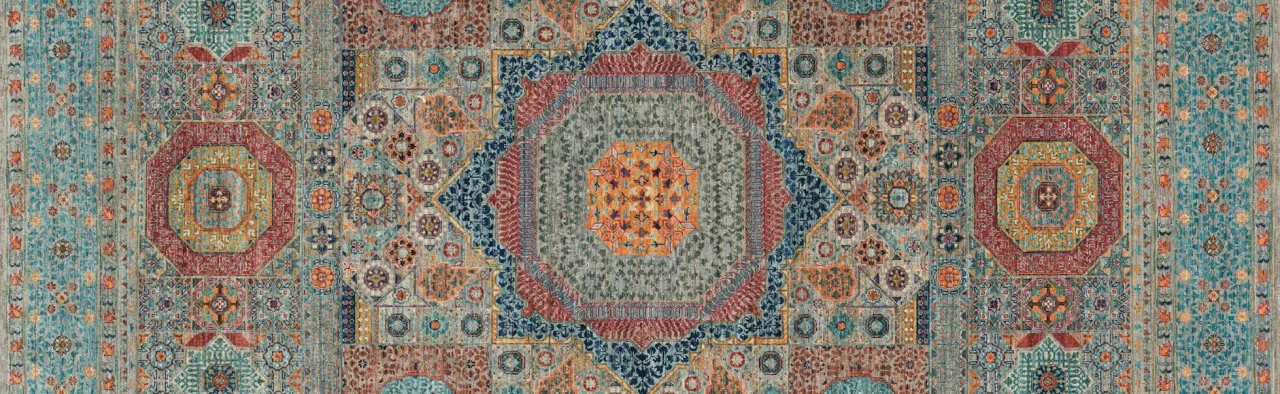
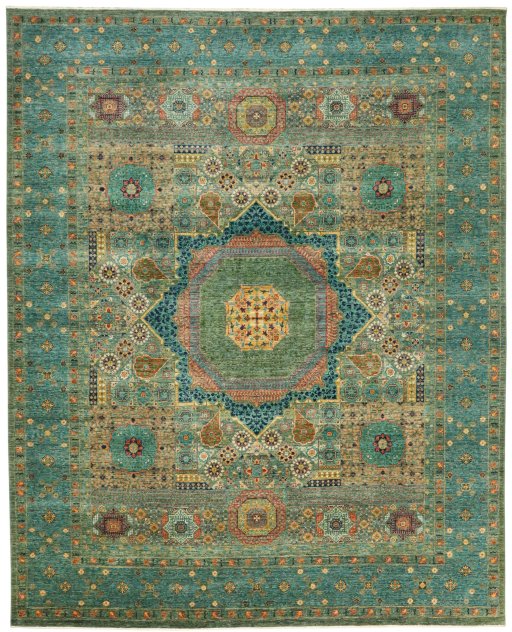
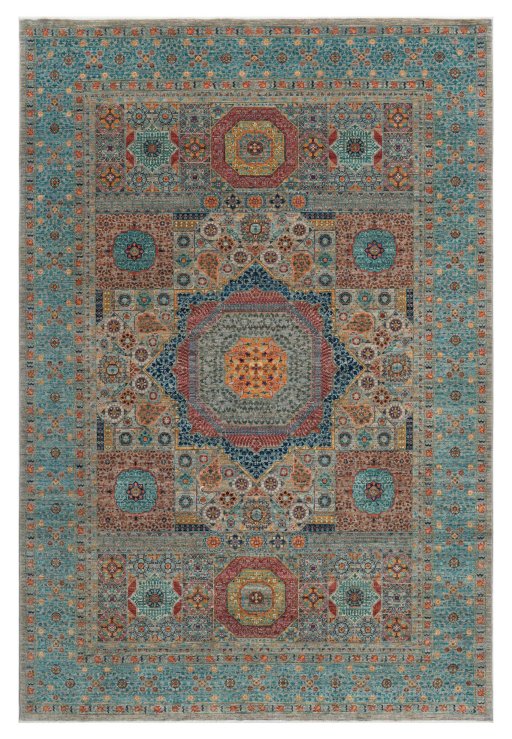
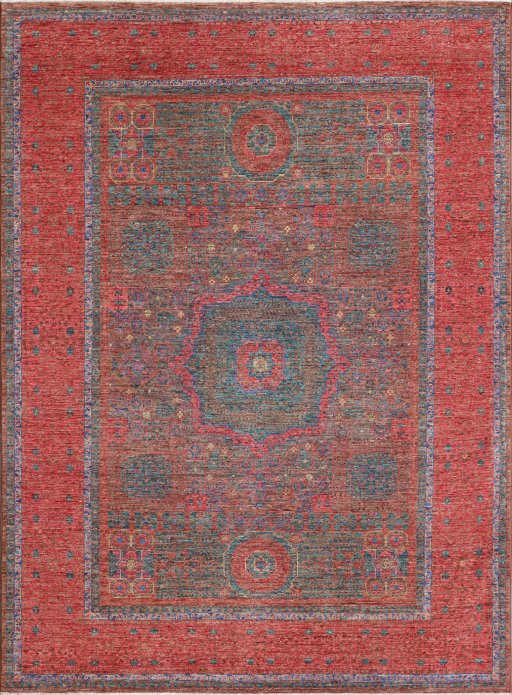
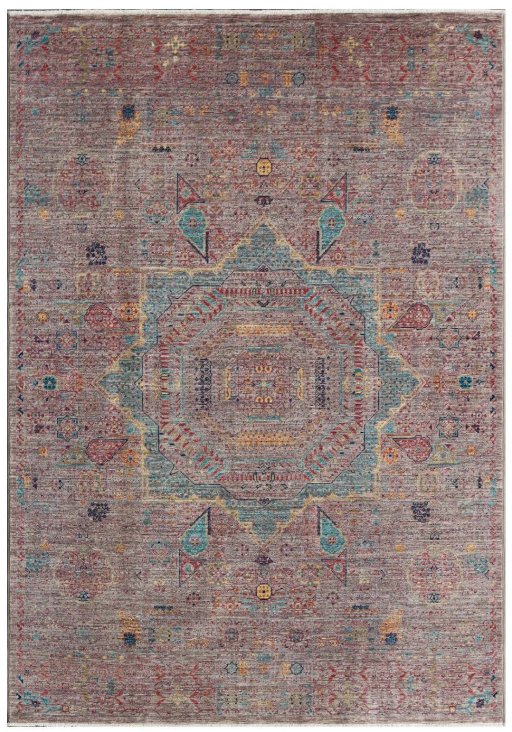
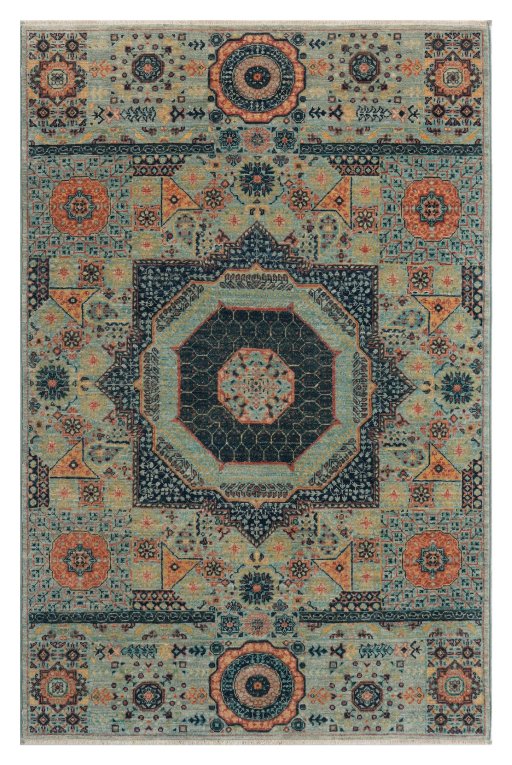
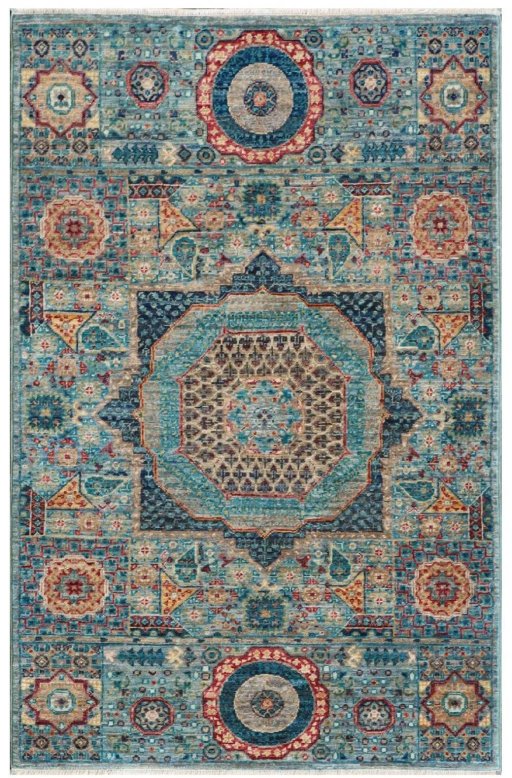
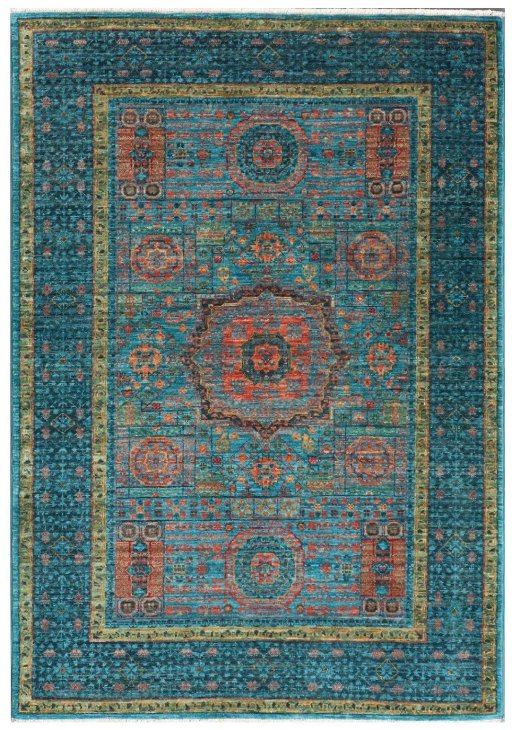
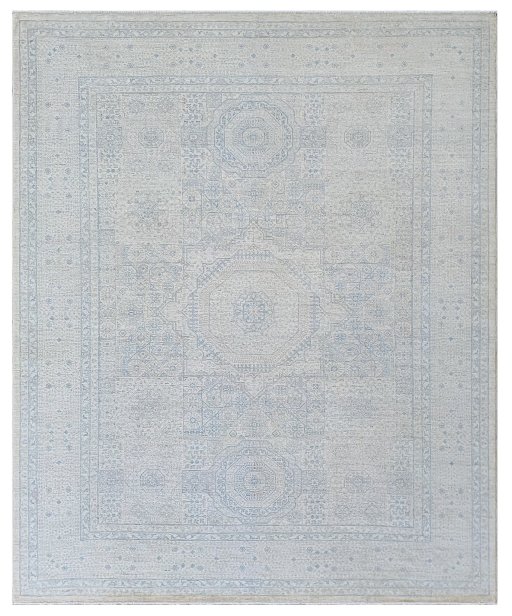
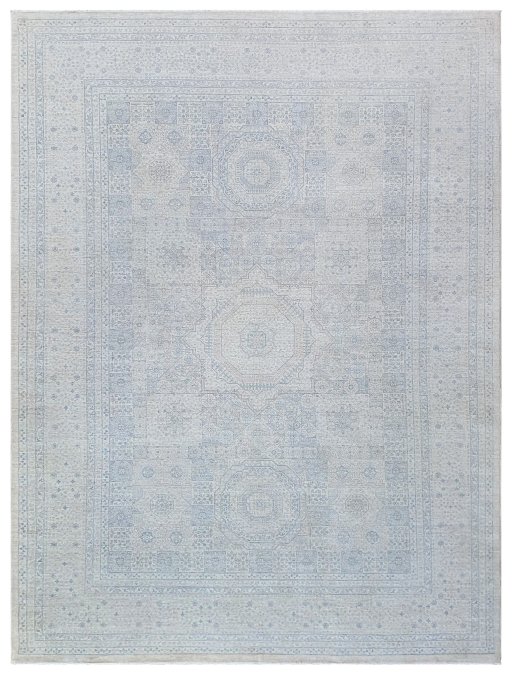
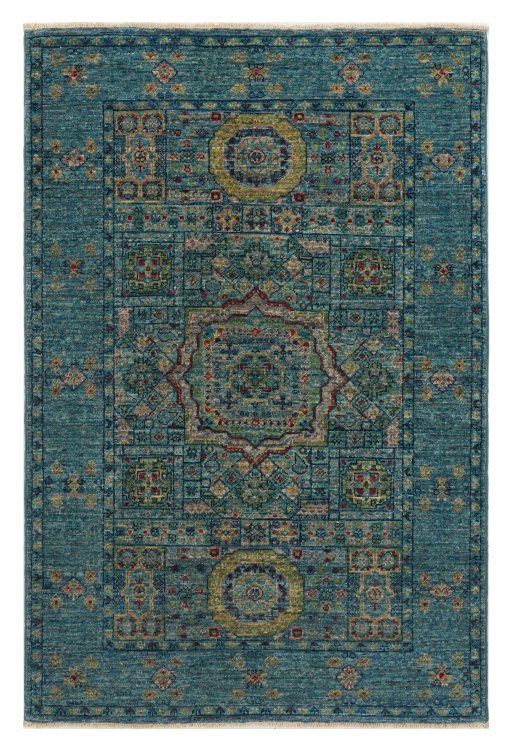
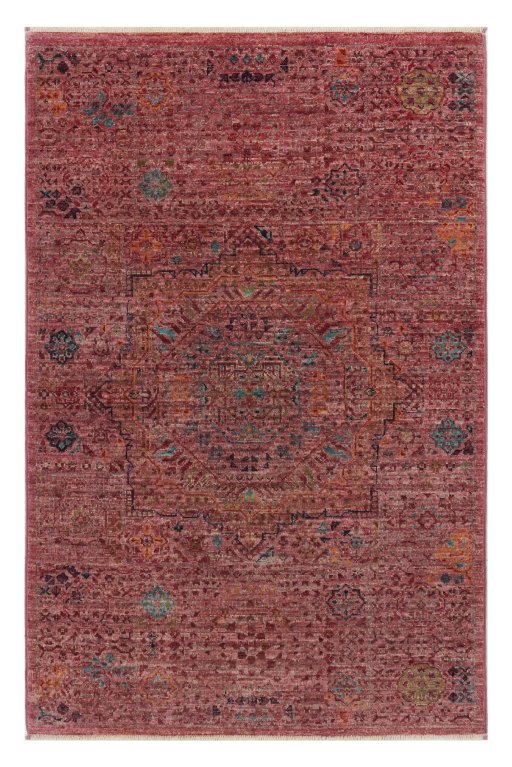
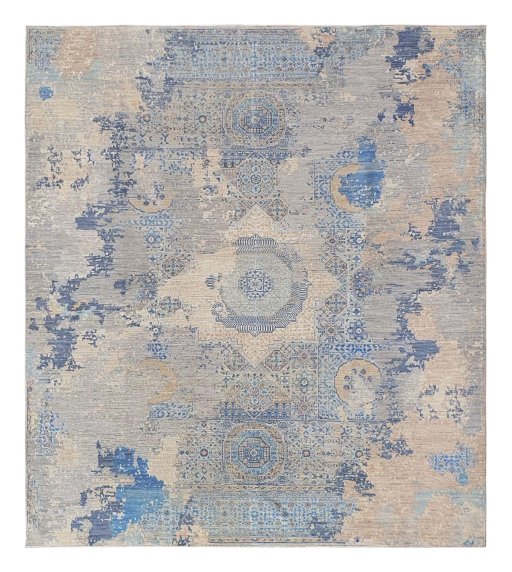
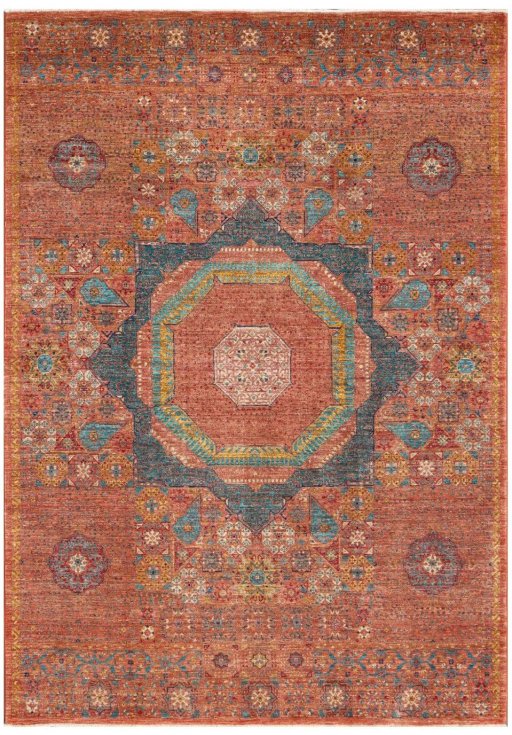
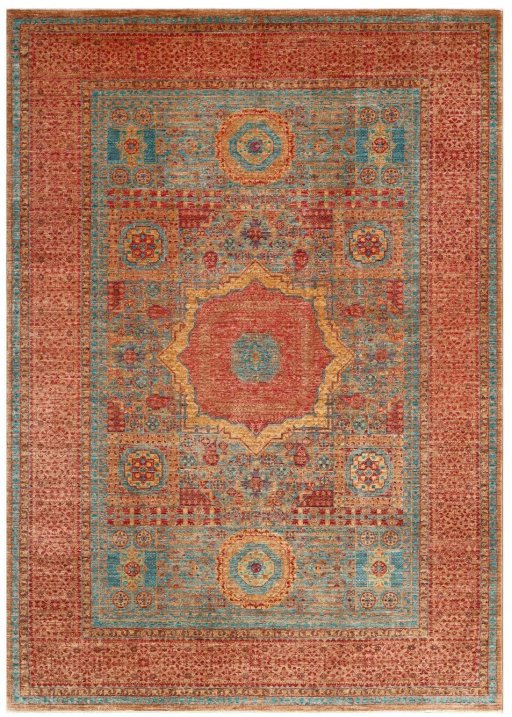
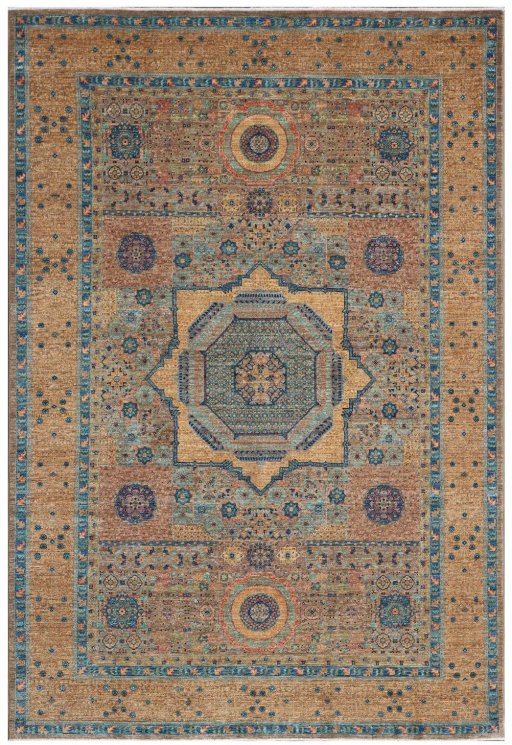
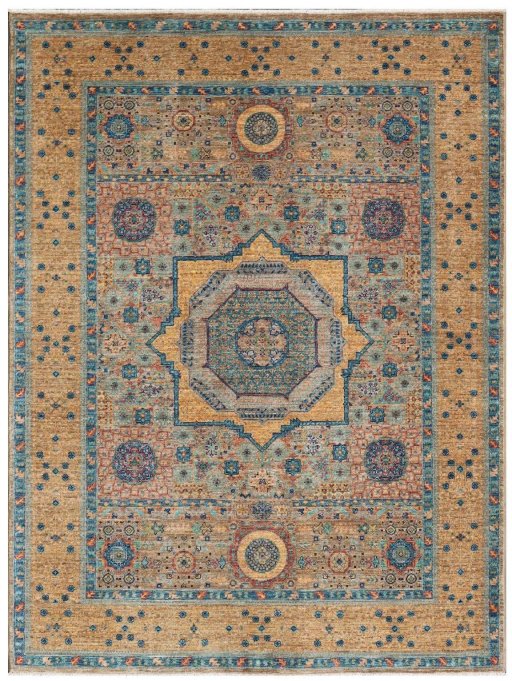
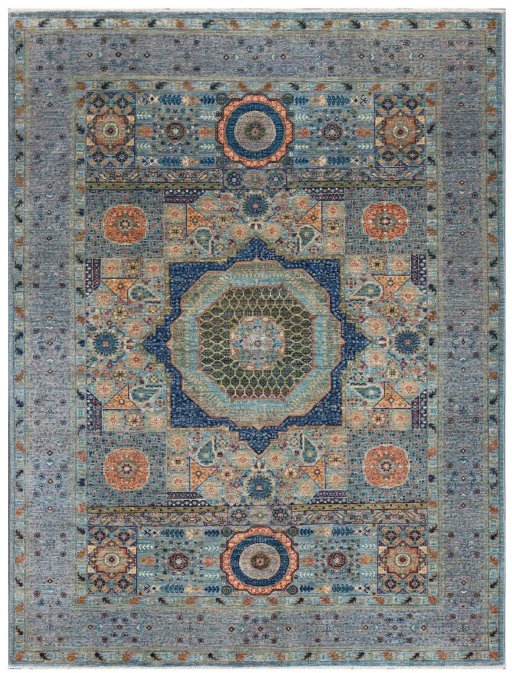
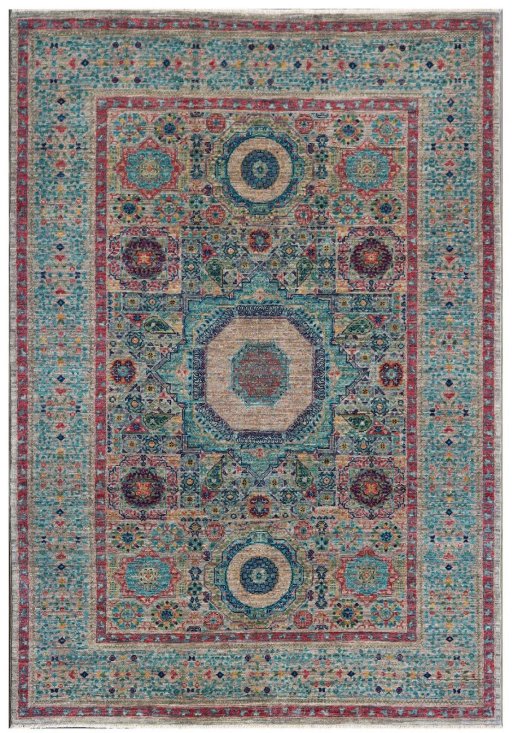
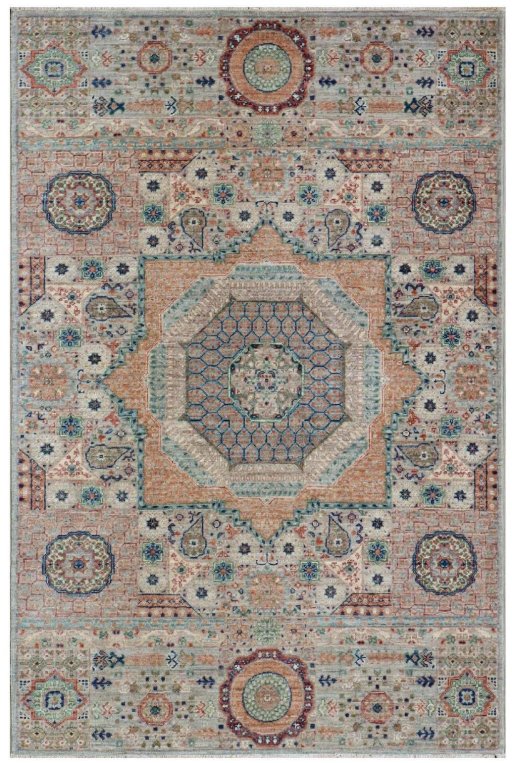
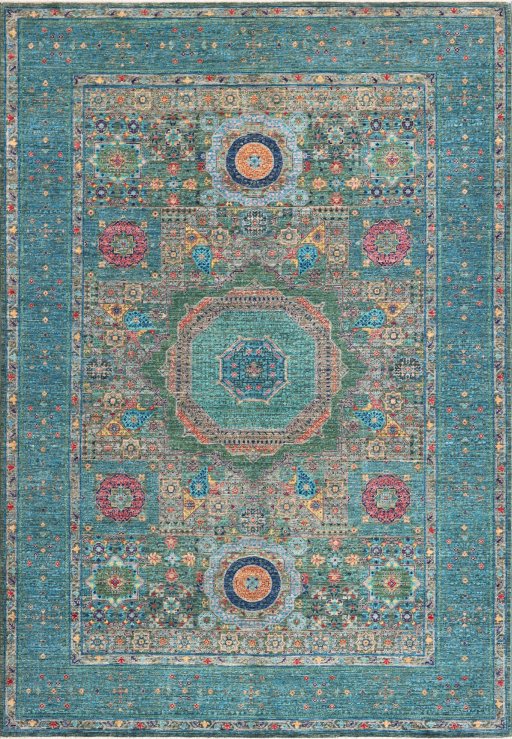
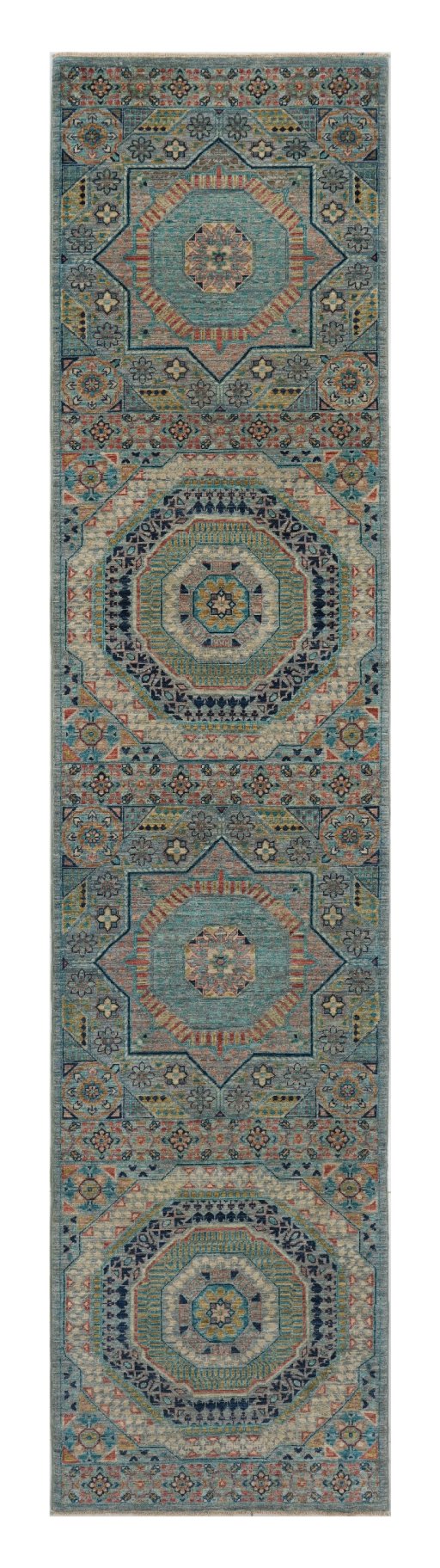
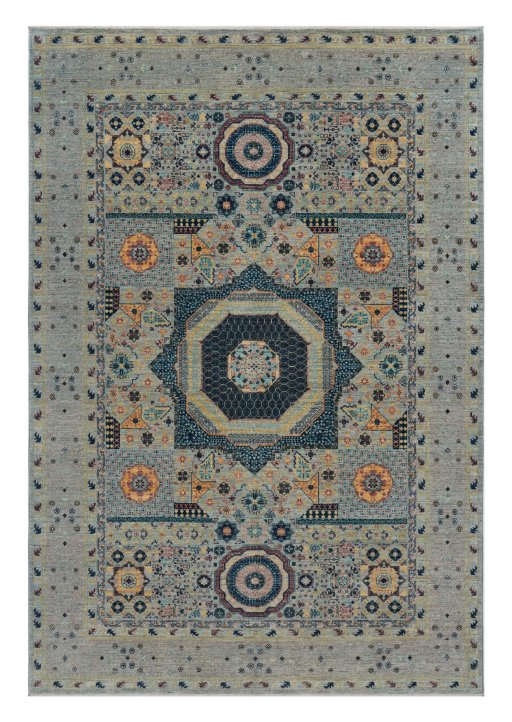
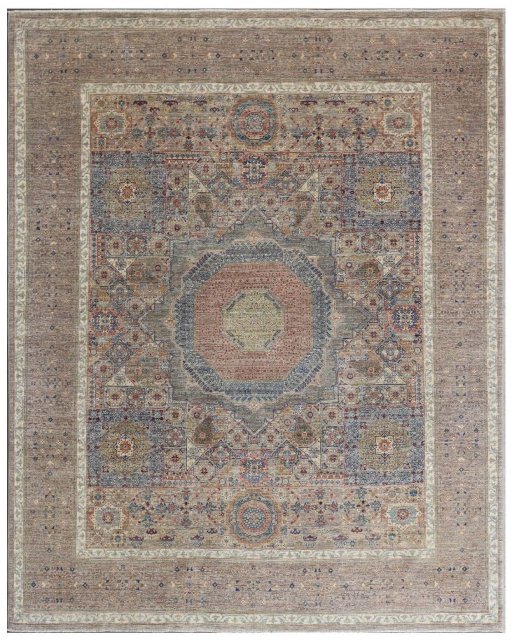
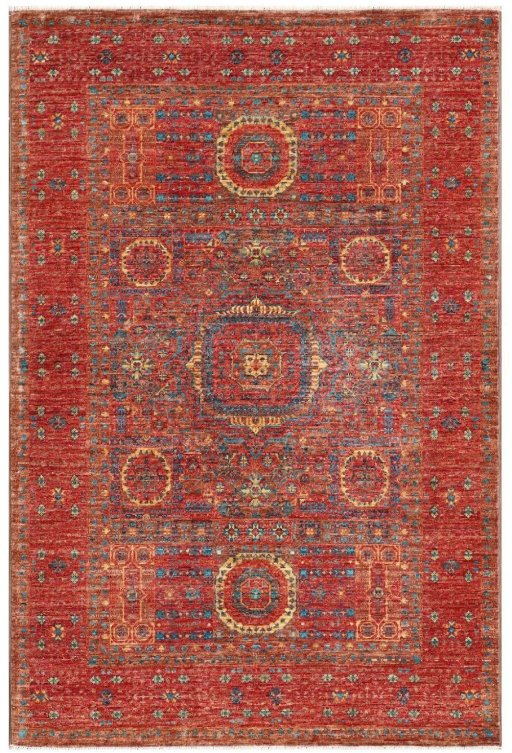
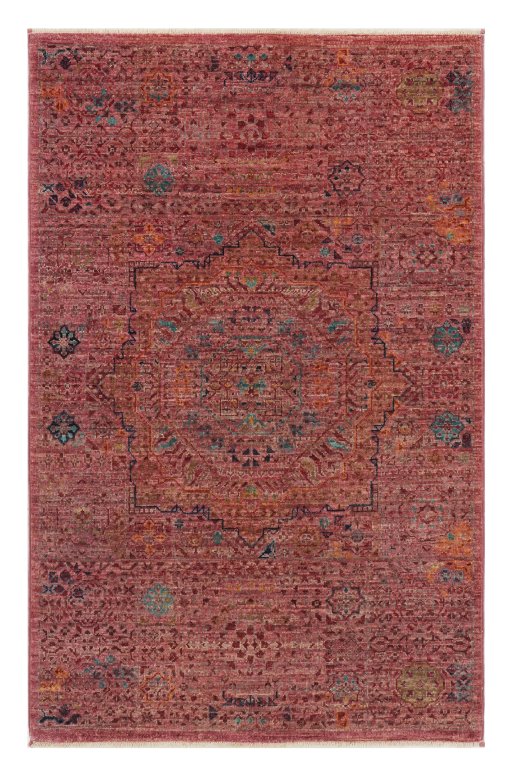
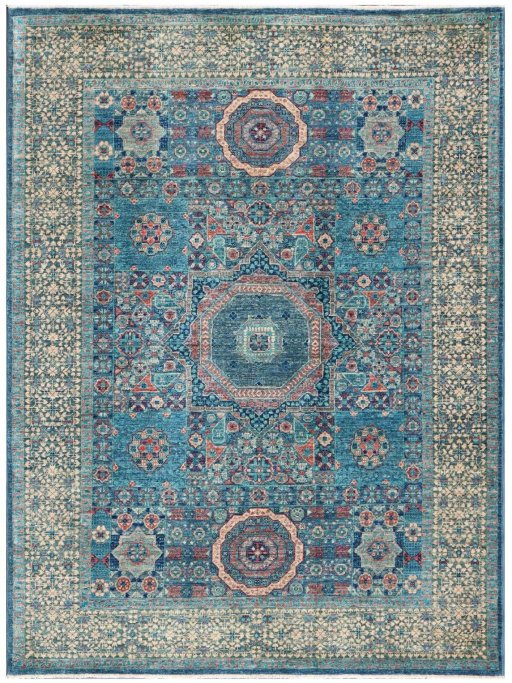
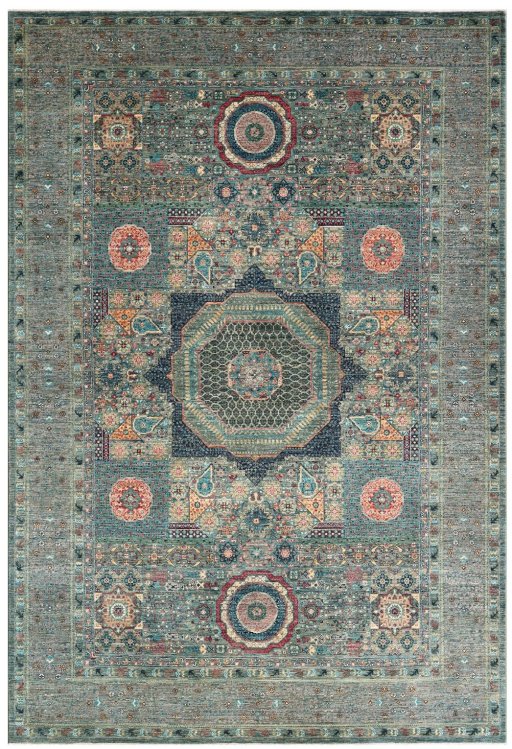
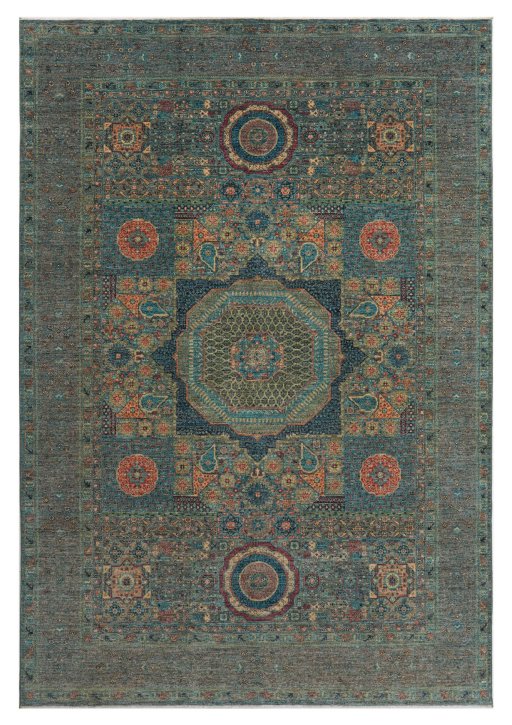
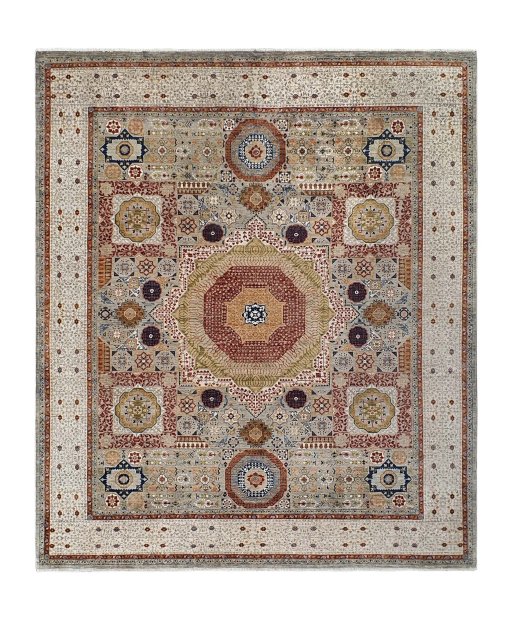
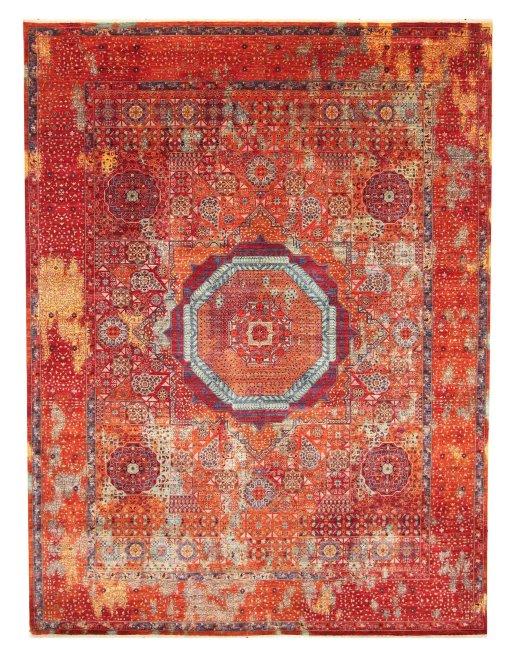
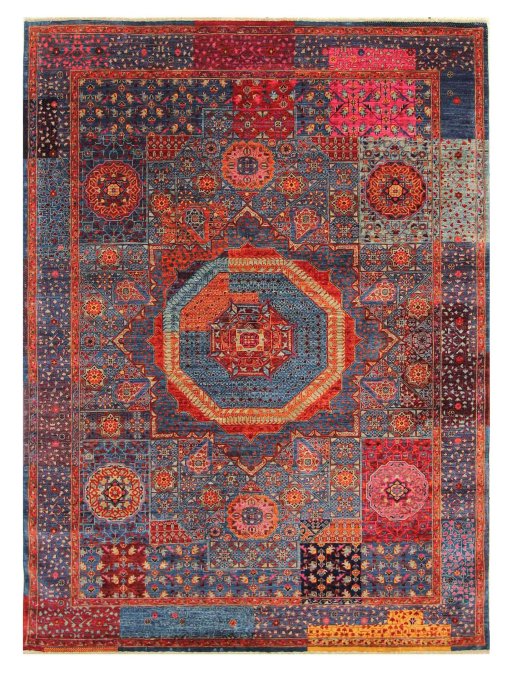
I tappeti Mamluk prendono il nome dal periodo Mamluk al Cairo, in Egitto, dove questa distintiva tradizione di design si è originariamente sviluppata. Lo stile è caratterizzato da motivi geometrici con un medaglione centrale, circondato da stelle ripetute e forme poligonali. Oggi, i tappeti che seguono la tradizione di design Mamluk sono spesso annodati a mano in Pakistan. Sebbene il luogo di produzione differisca dall'origine storica, i motivi e il layout rimangono strettamente allineati con lo stile Mamluk originale. Questi tappeti sono realizzati in lana e tinti con coloranti naturali, comunemente utilizzando tonalità di rosso, blu, verde e oro tenue.

Mamluk

31 Tappeti trovati
Tappeti 1 - 31 da 31

Mamluk Rugs

Geometric Masterpieces of Historic Craftsmanship

Mamluk rugs represent one of the most distinctive stylistic traditions within oriental carpet art. Their origins date back to the late medieval period in Egypt, where a unique and highly structured geometric aesthetic emerged. Unlike floral Persian rugs, Mamluk designs are defined by symmetry, polygonal medallions, and architecturally balanced compositions.
Today, Mamluk rugs are primarily hand-knotted in Afghanistan and Pakistan. They preserve the historical design language while meeting contemporary standards of precision and quality.
A defining feature of Mamluk rugs is the centrally structured medallion, often star-shaped or polygonal in form. From this focal point, a symmetrical network of geometric elements unfolds across the field. The borders echo this structured composition and frame the rug with precise linear clarity.
The color palette is typically harmonious and restrained. Soft reds, muted greens, warm ochres, and subtle greys dominate the composition. Natural dyeing techniques create gentle tonal transitions, giving the surface depth without visual heaviness.
The overall effect is balanced, structured, and refined.

Art historians associate the original Mamluk carpets with Cairo during the Mamluk Sultanate. These rugs entered Mediterranean trade routes early and influenced the European perception of oriental textile art as early as the 16th century.

Modern Mamluk rugs are produced mainly in Afghanistan and Pakistan. Skilled weaving workshops reinterpret the historical compositions while ensuring consistent craftsmanship and structural precision. The result is a continuation of tradition within a contemporary production context.

Hand-knotted Mamluk rugs are typically made from high-quality virgin wool on a durable cotton foundation. The wool provides resilience and a dense, pleasant texture. Knot density generally ranges from medium to fine, allowing detailed geometric precision.
The pile height is moderate, resulting in a clear and defined surface that is both decorative and suitable for everyday living.
Thanks to their structured geometry, Mamluk rugs create a sense of order and visual balance within a space. In modern interiors, they introduce a refined graphic accent. In more traditional settings, they emphasize historical depth and craftsmanship.
They are particularly suited for living rooms, dining areas, or representative spaces where a defined visual center is desired. Their balanced color schemes allow seamless integration with wood, stone, metal, and contemporary furnishings.
A high-quality Mamluk rug is characterized by precise symmetry, clean line work, and balanced color composition. Hand-knotting and natural materials are essential indicators of authenticity. Transparent information regarding origin, materials, and craftsmanship ensures a confident and informed purchase decision.
Rugbloom offers hand-knotted Mamluk rugs sourced from carefully selected workshops. Each piece is professionally classified, individually described, and thoroughly evaluated in terms of materials and craftsmanship. Particular emphasis is placed on traceable origin, artisanal quality, and balanced design.
Spedizione gratuita e resi gratuiti
Garanzia di rimborso di 31 giorni
Acquista ora, paga dopo
Dal 1870: Esperti di Tappeti Orientali