


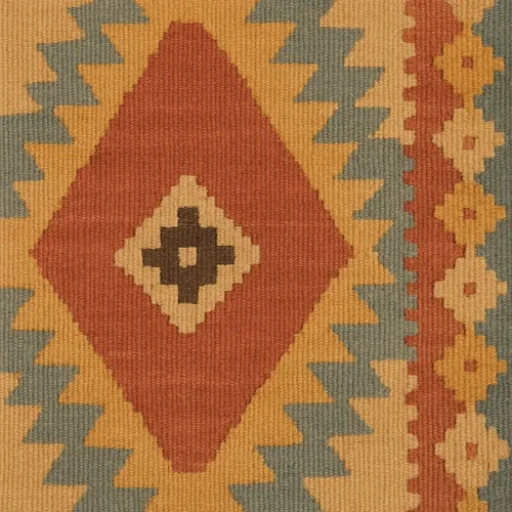


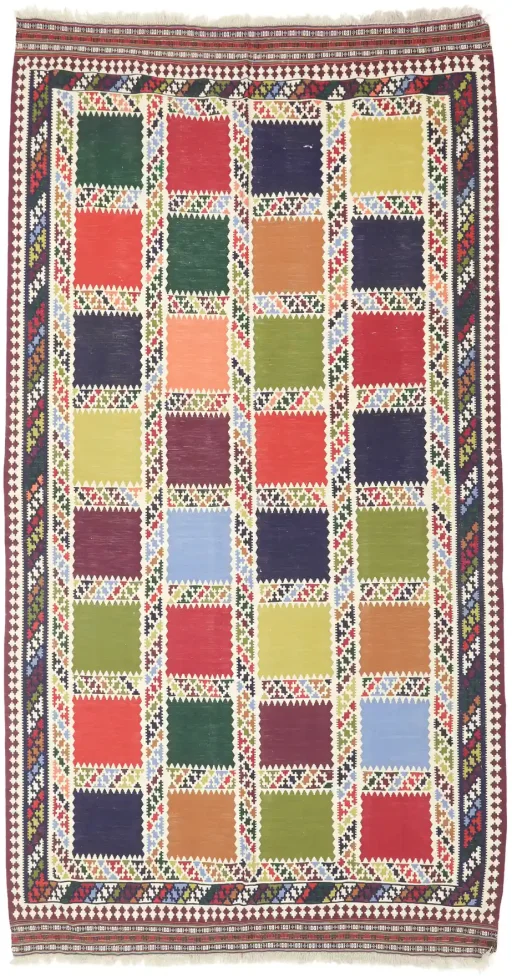
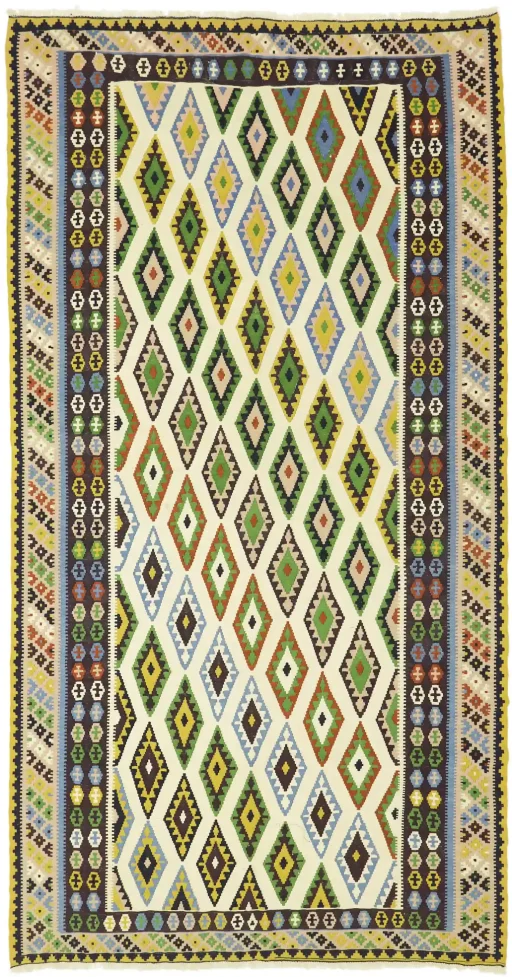
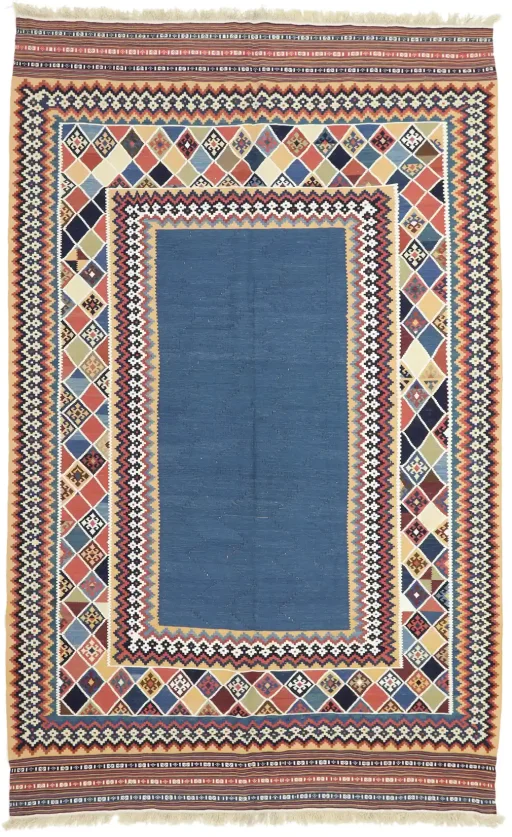
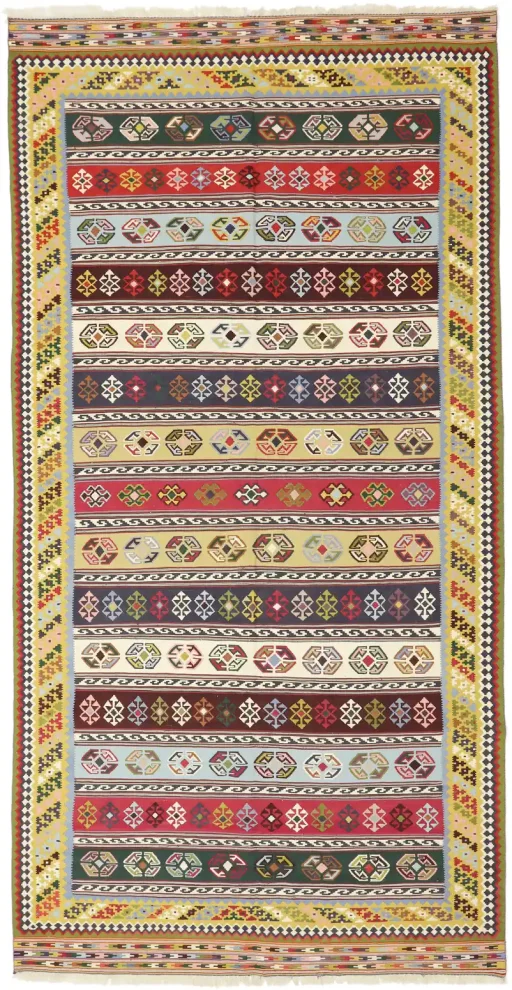
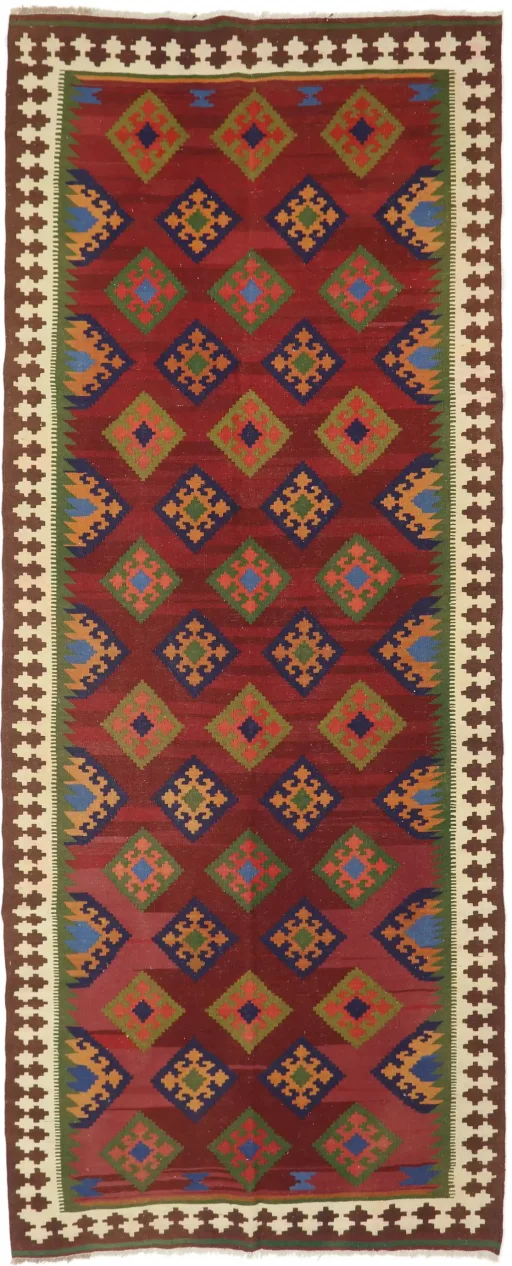
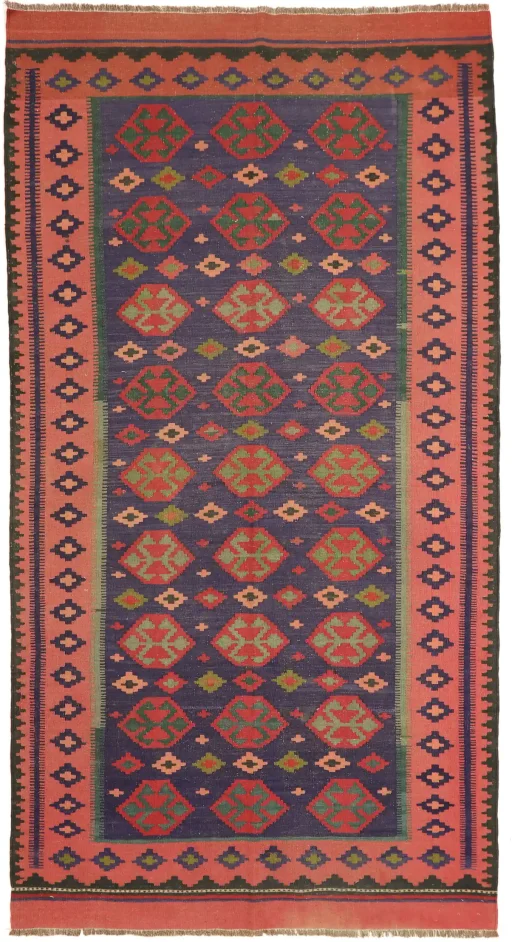
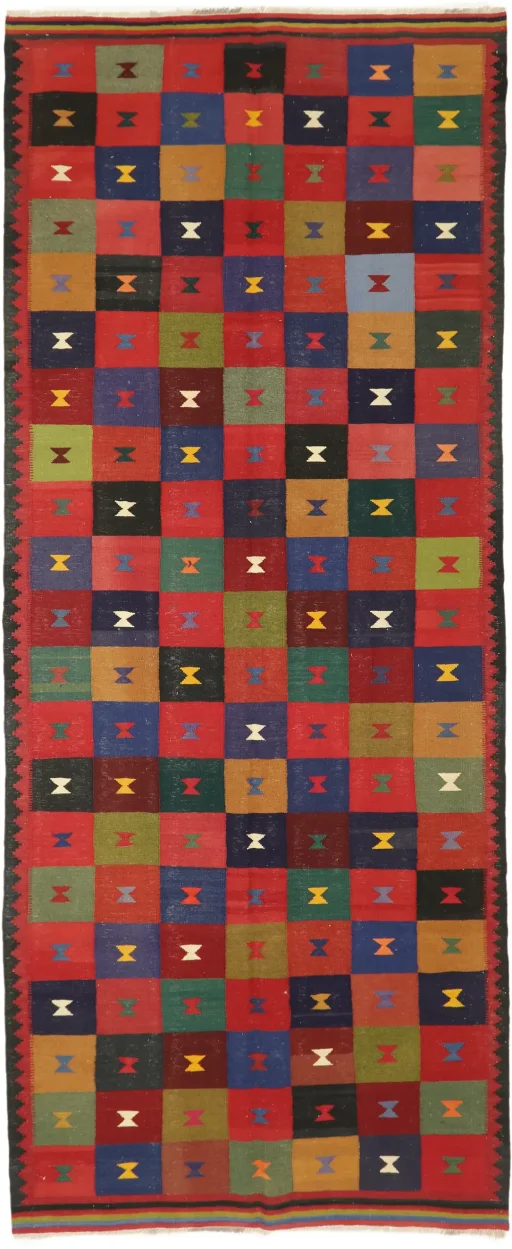
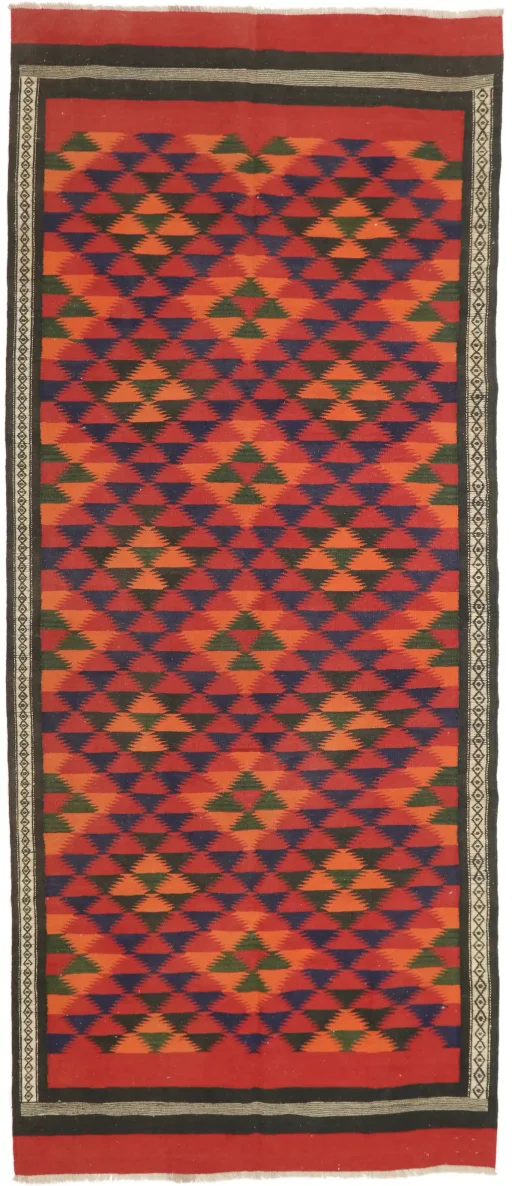
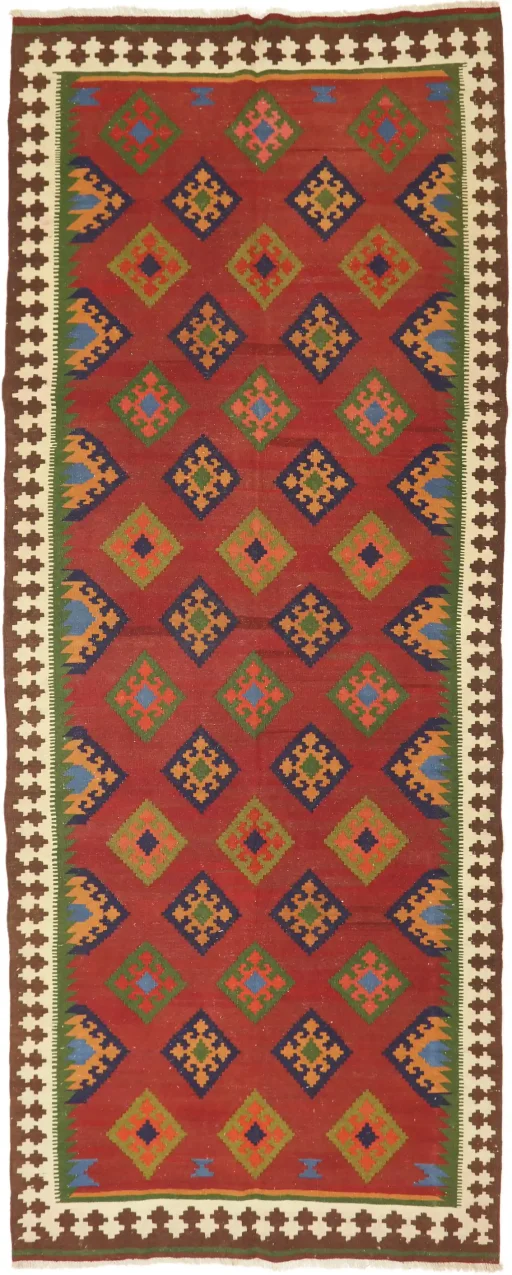
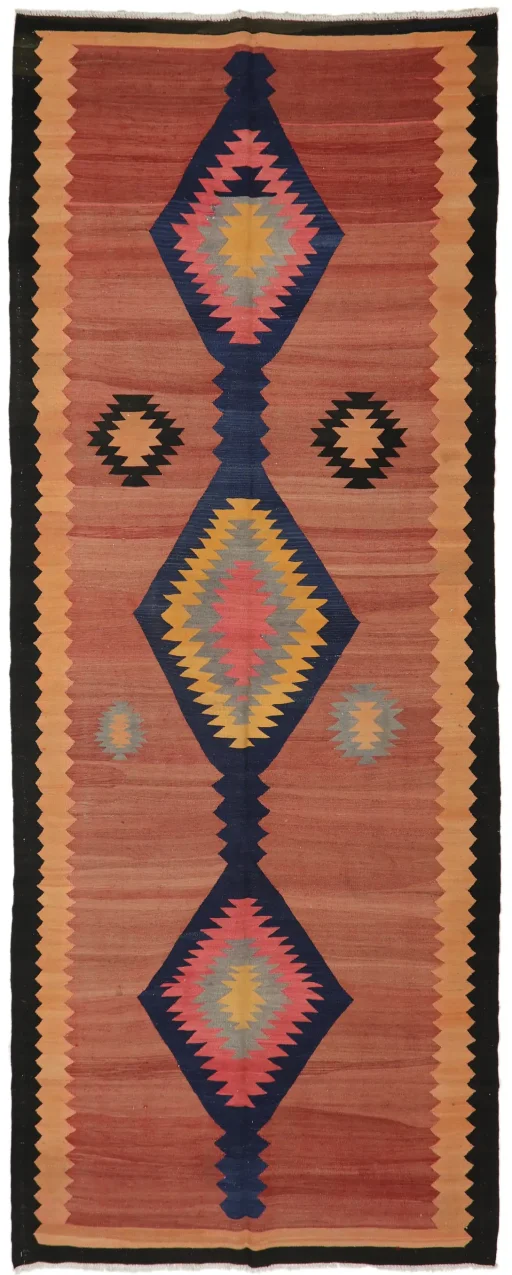
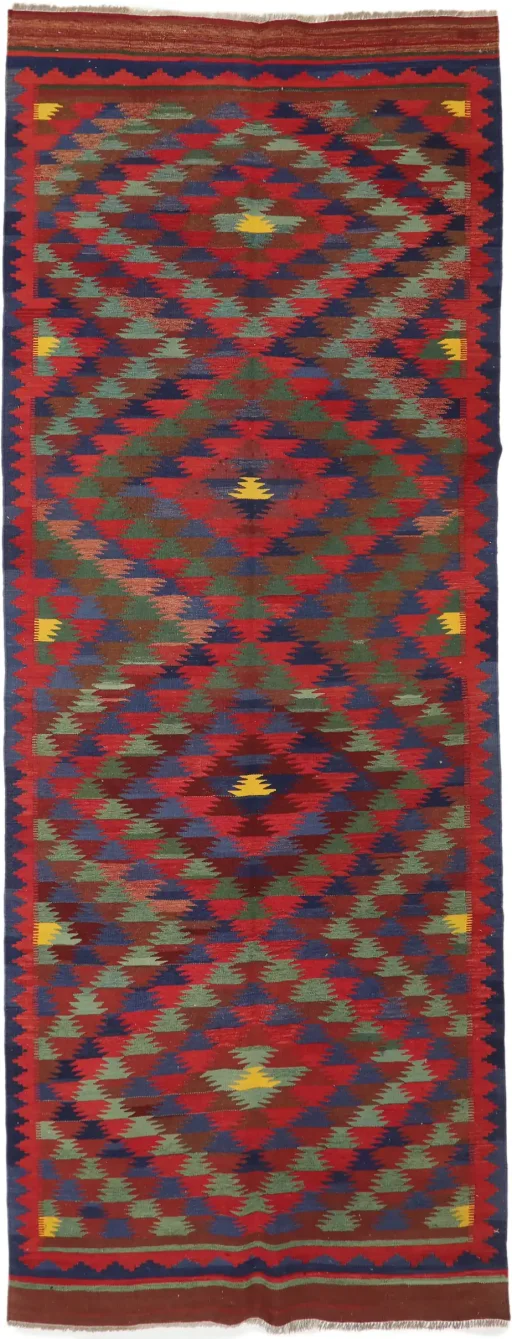
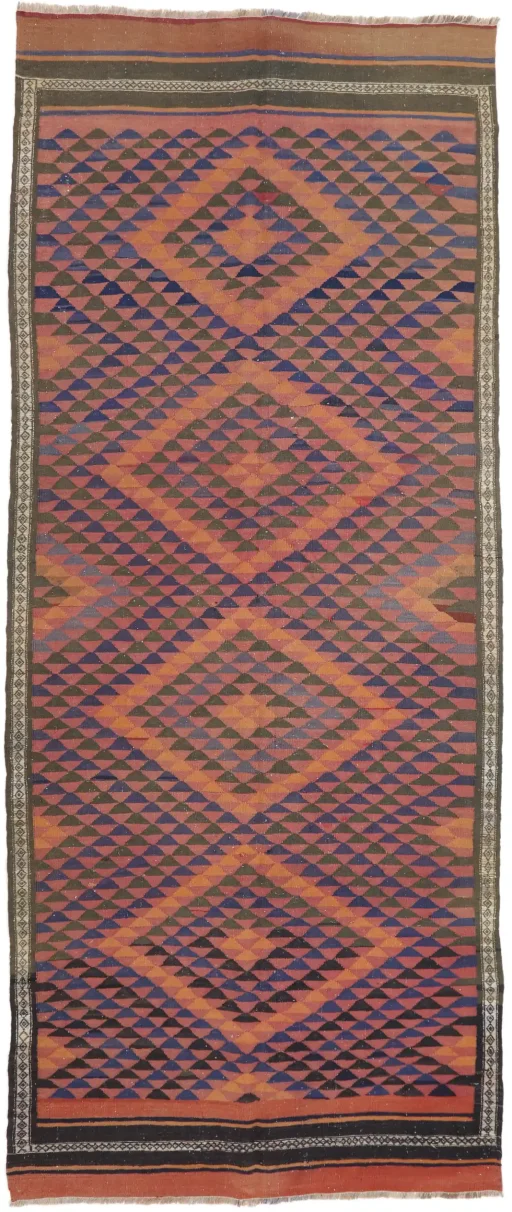
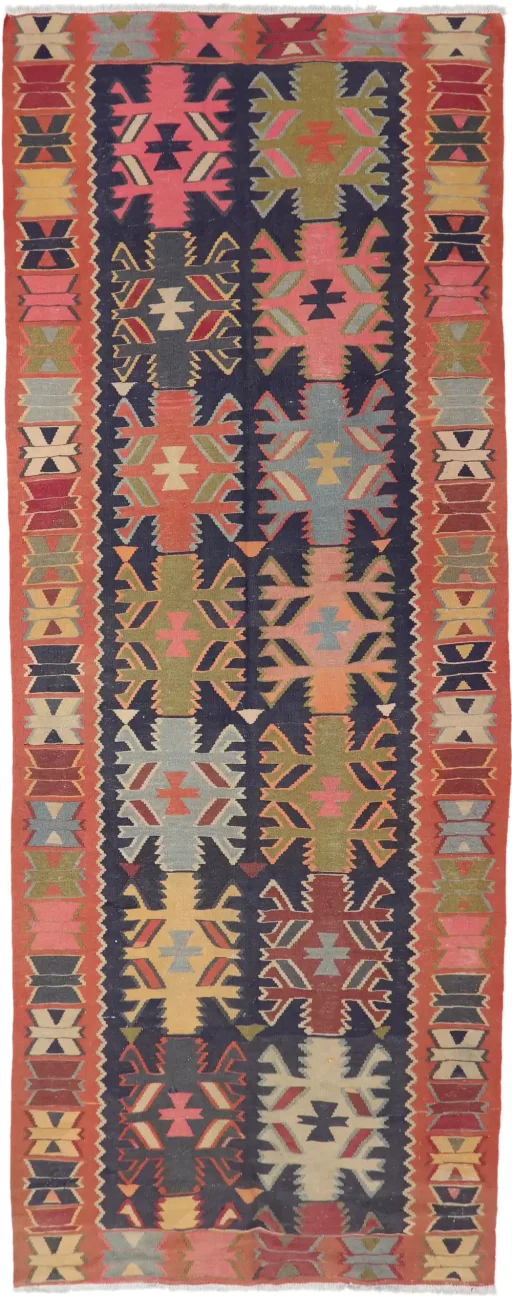
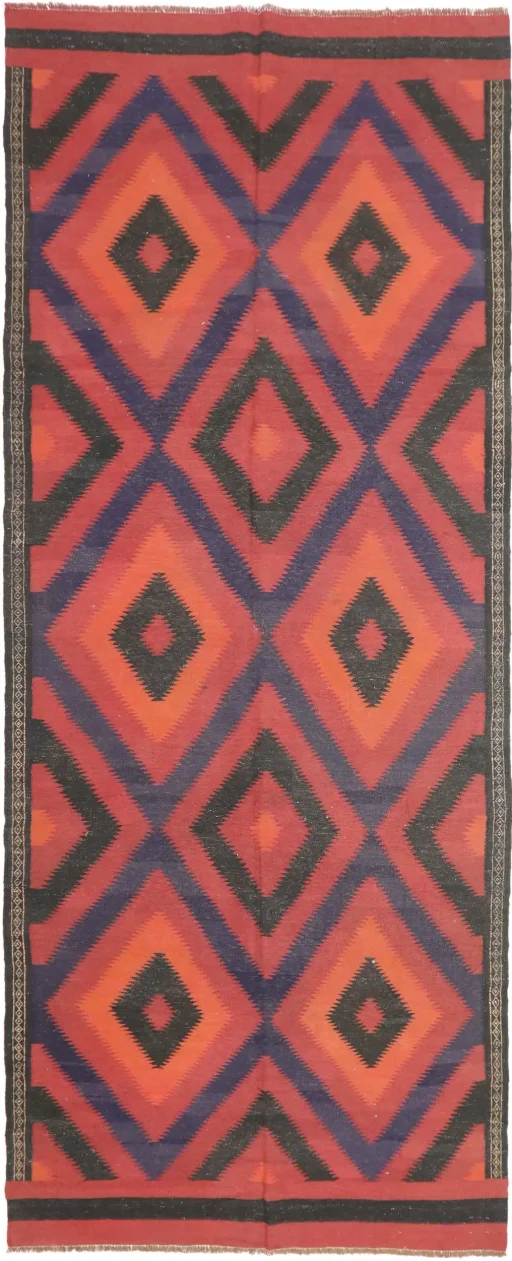
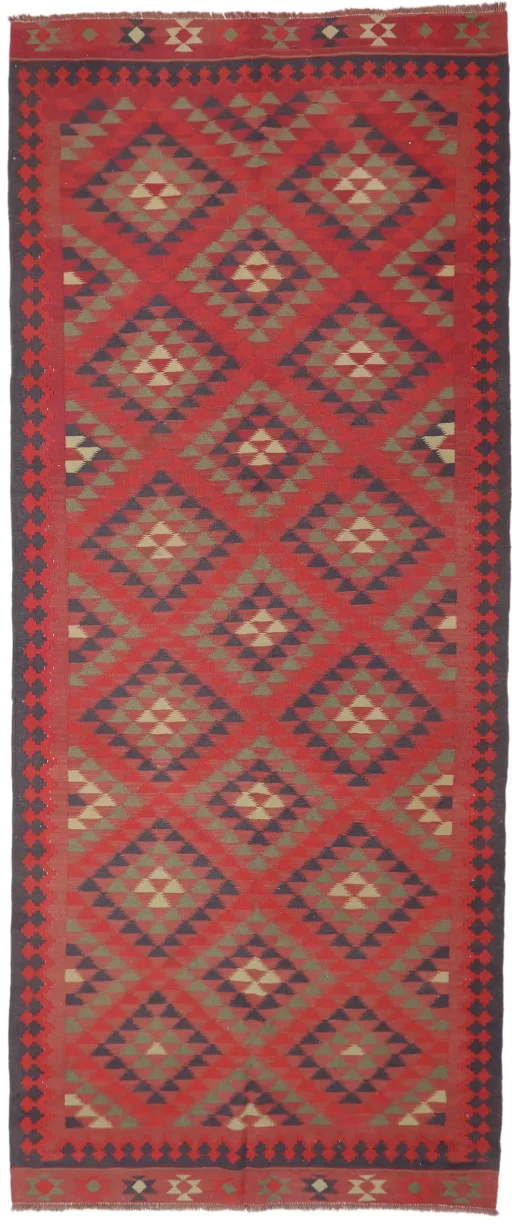
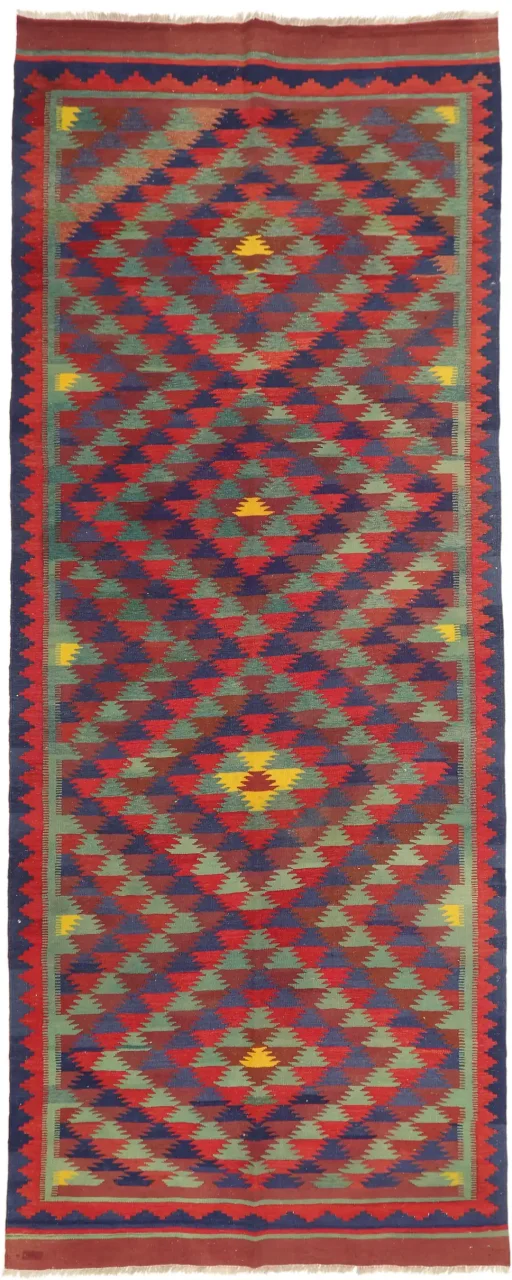
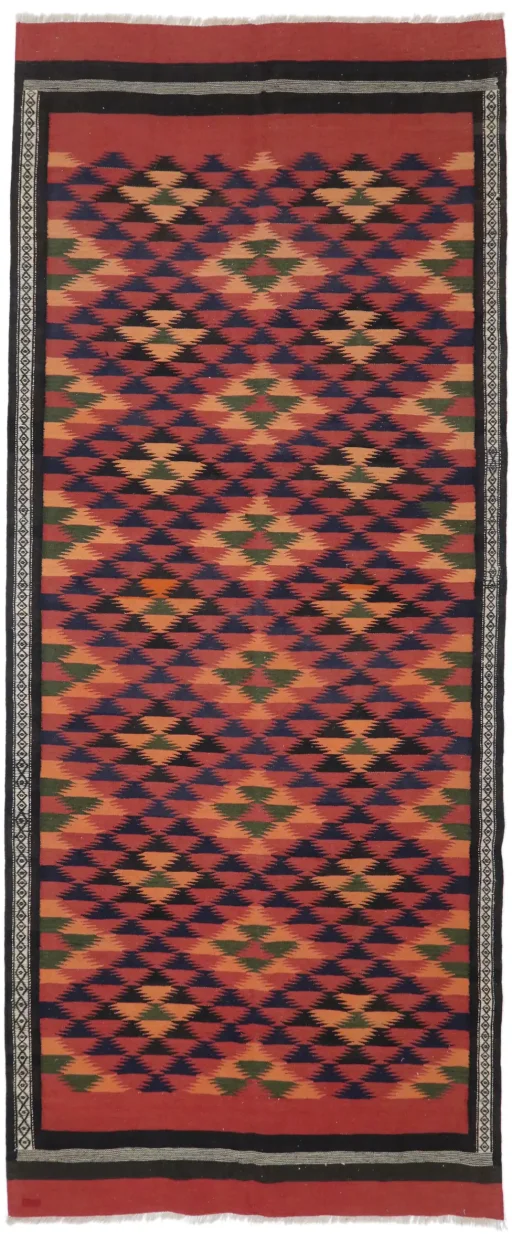
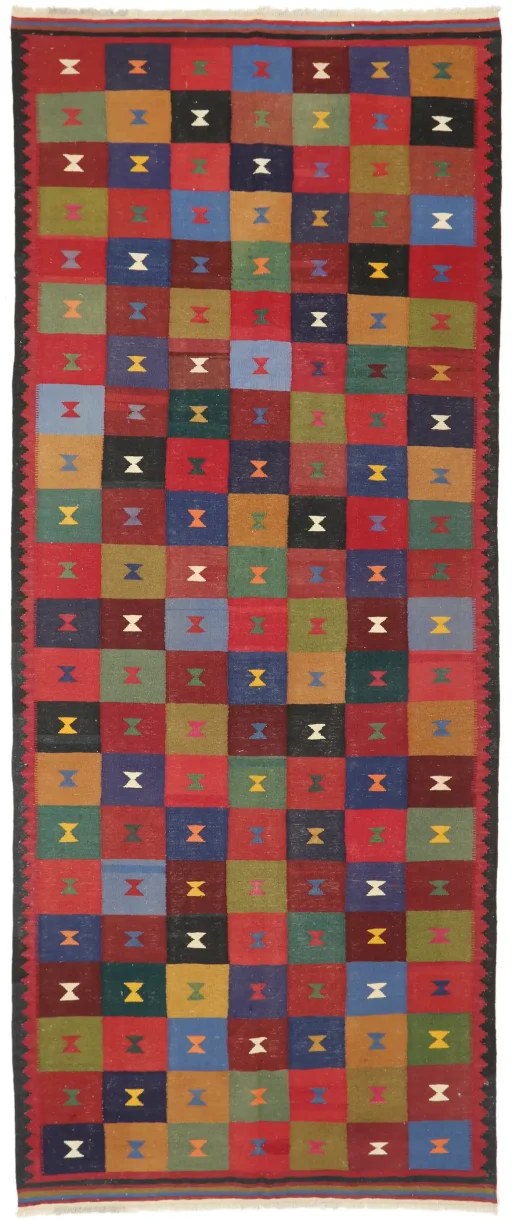
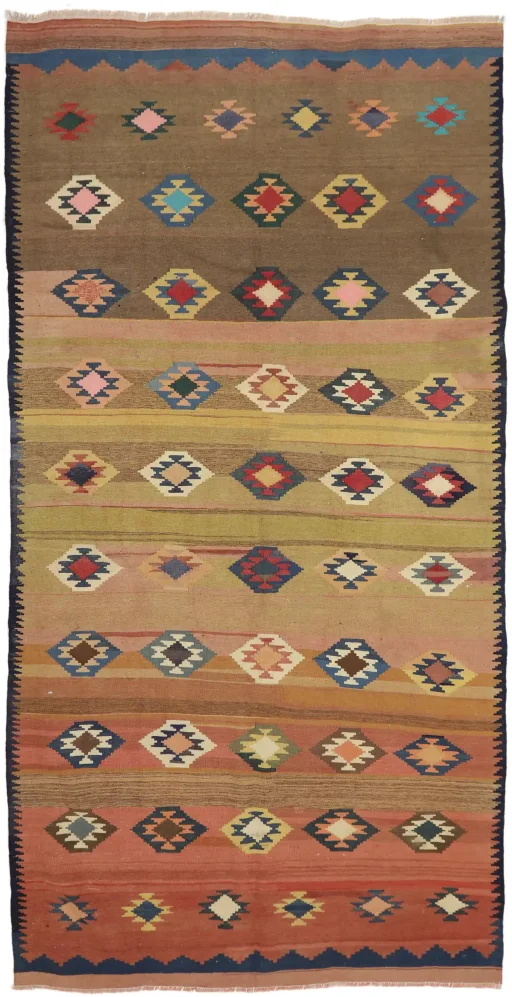
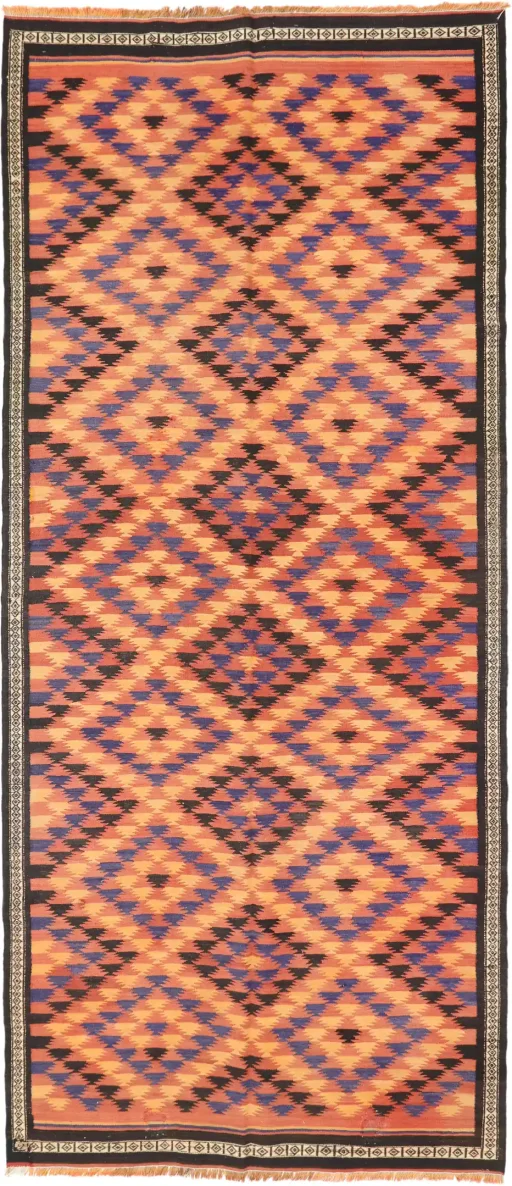
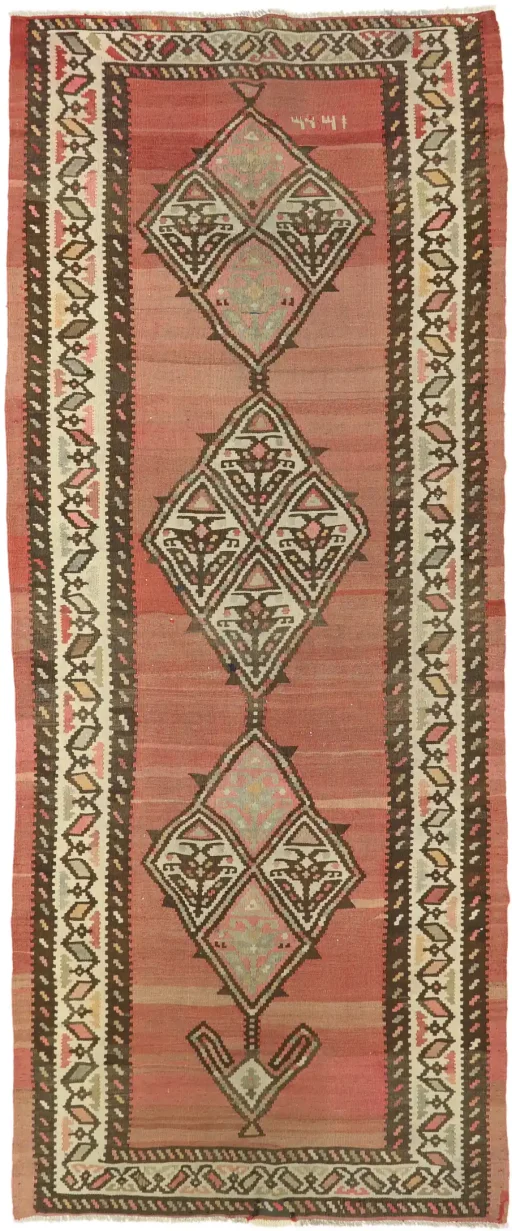
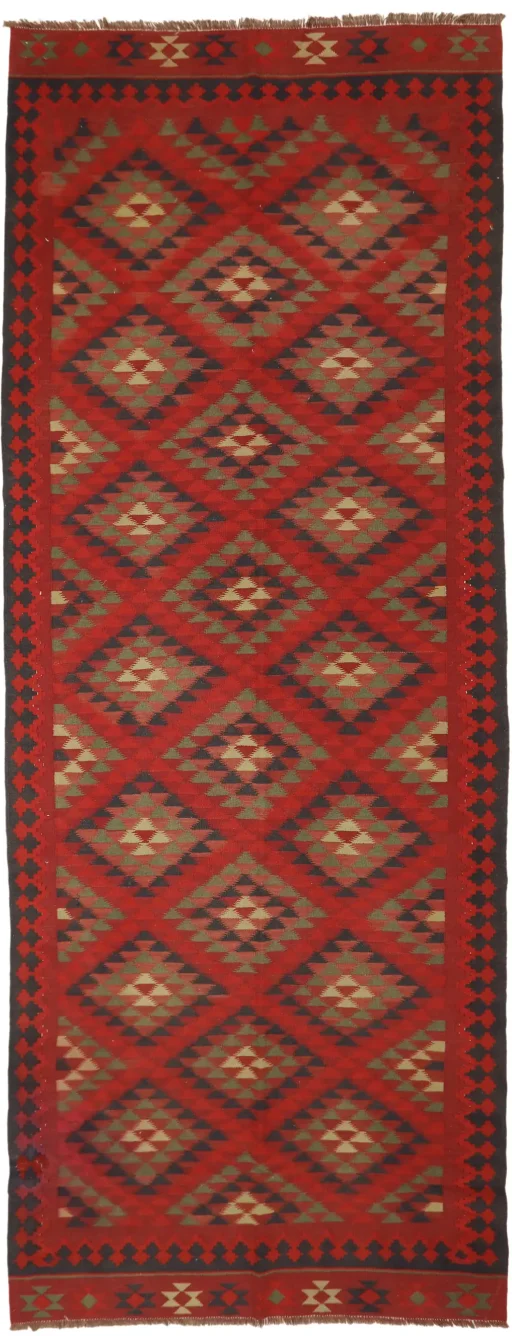
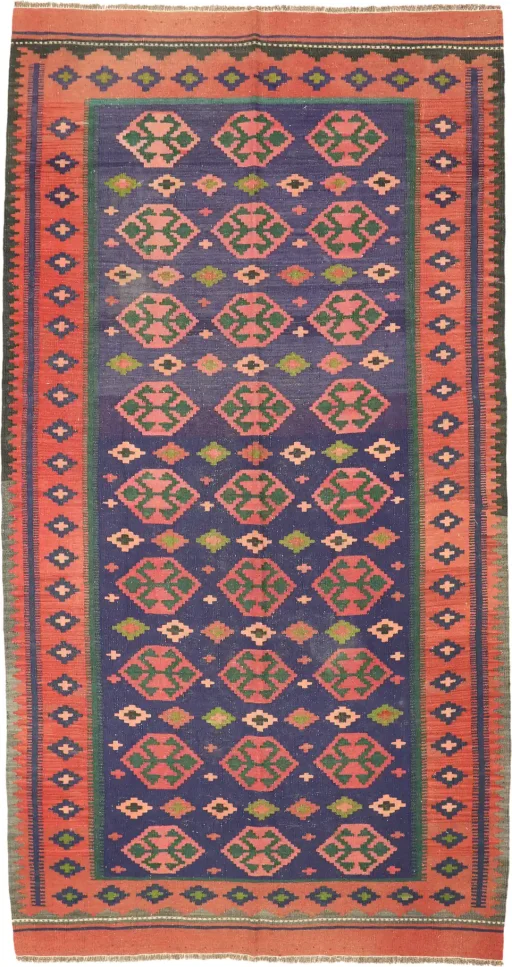
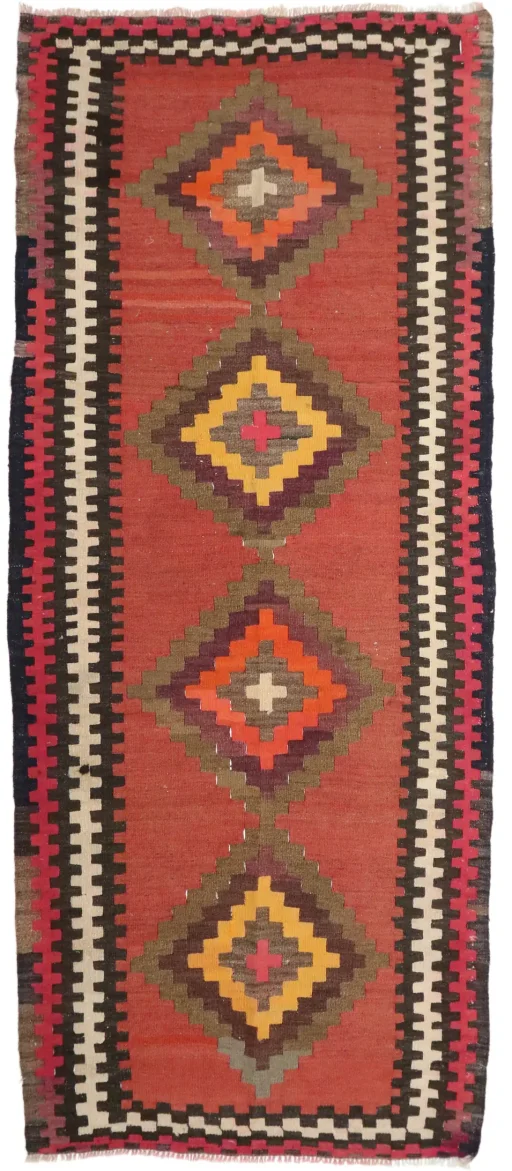
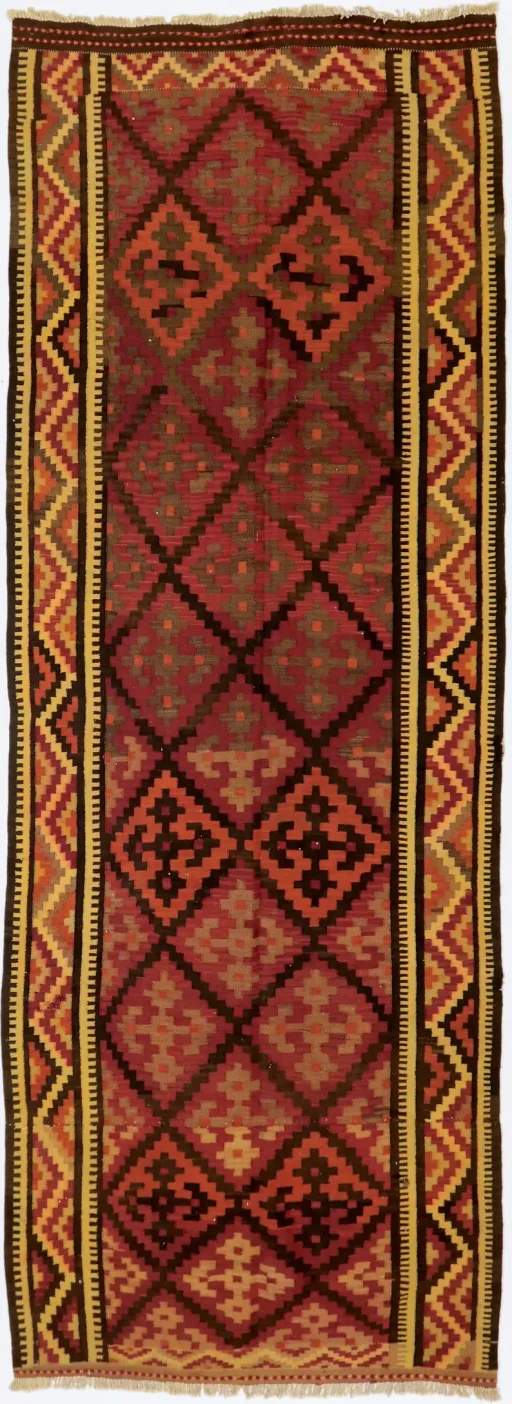
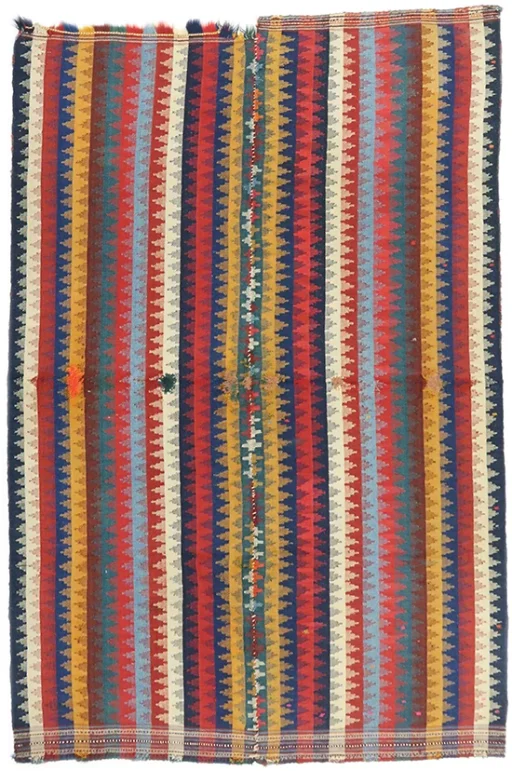
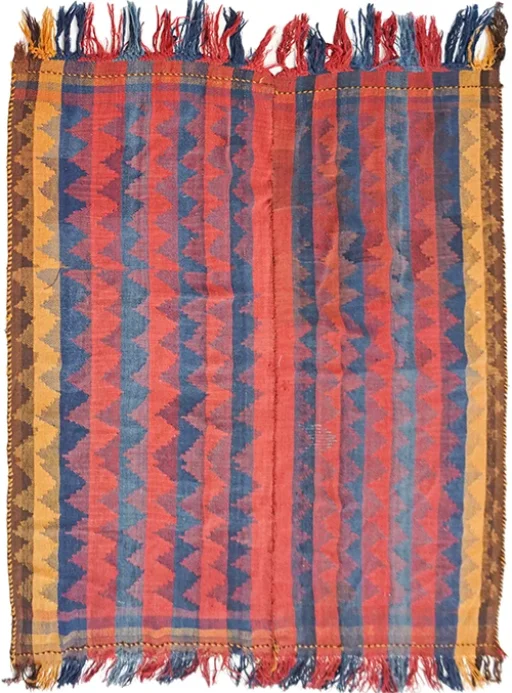
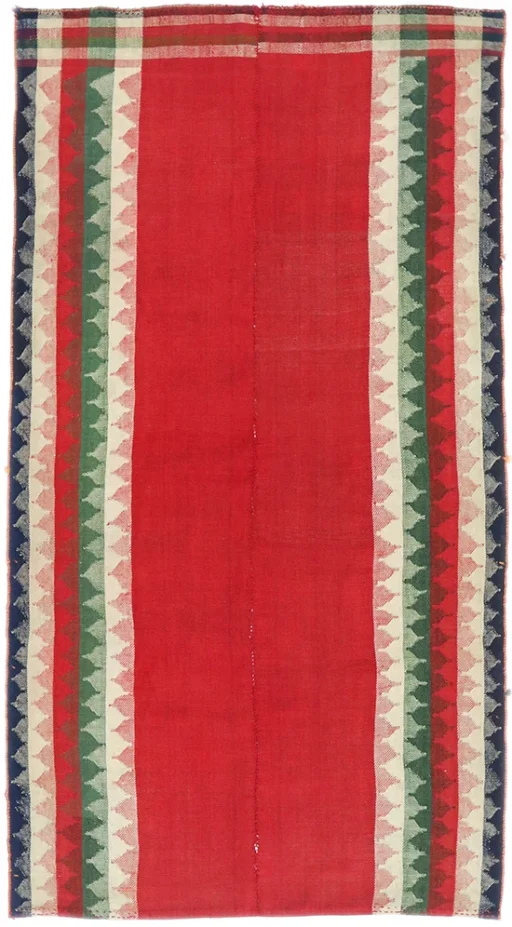
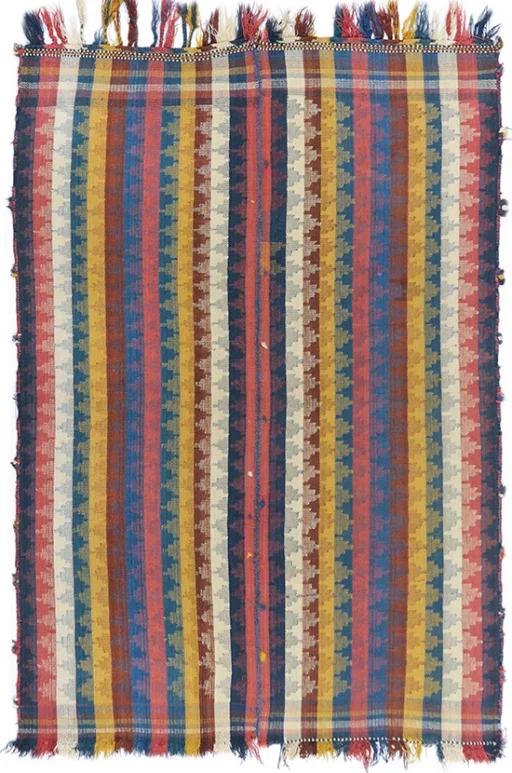
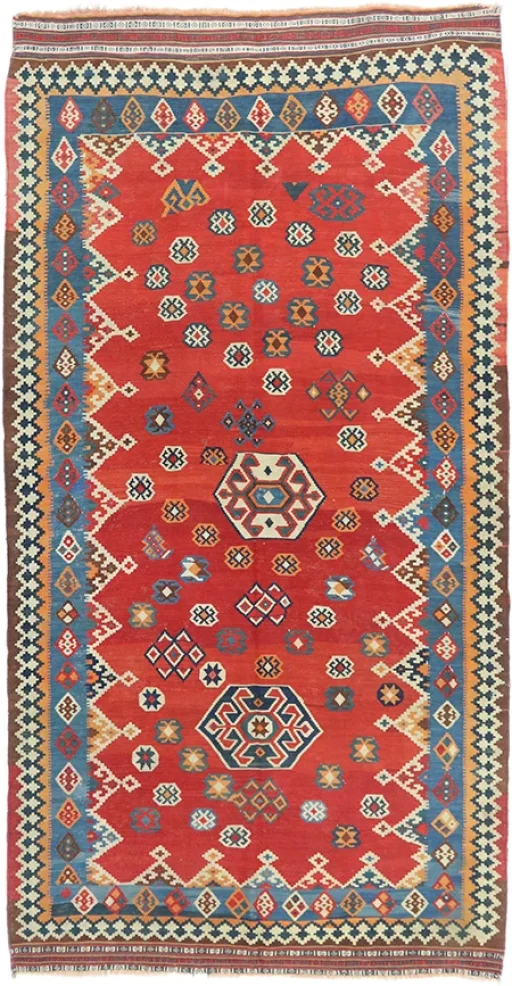
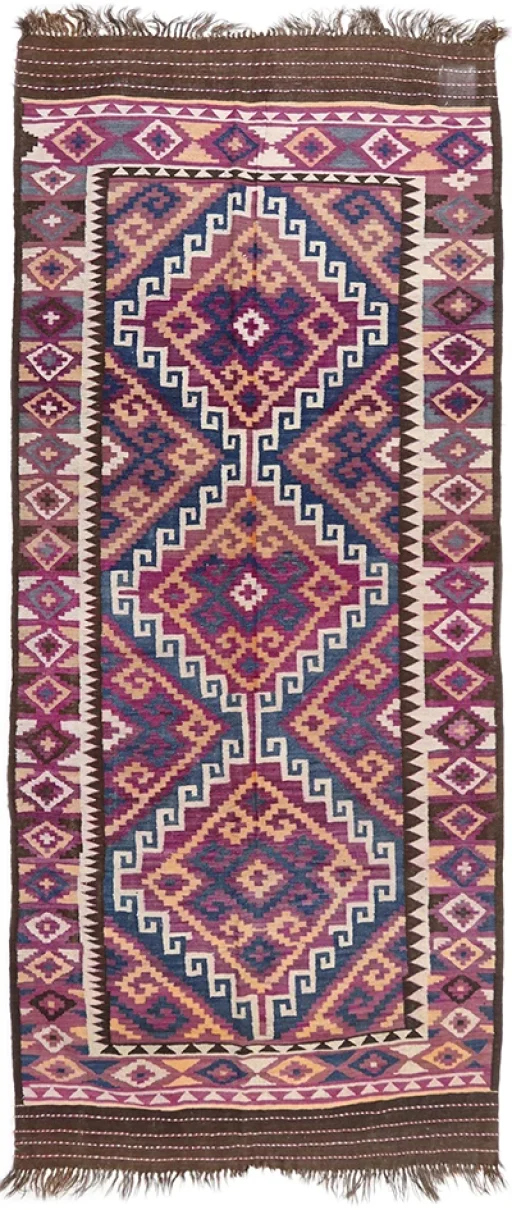
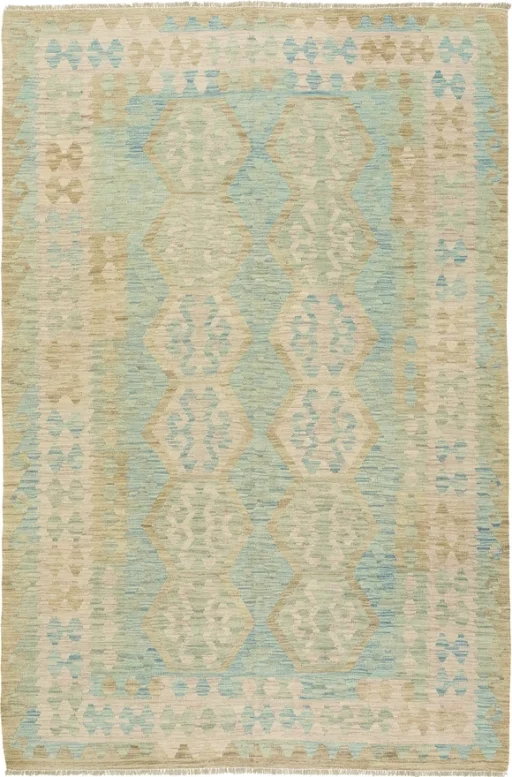
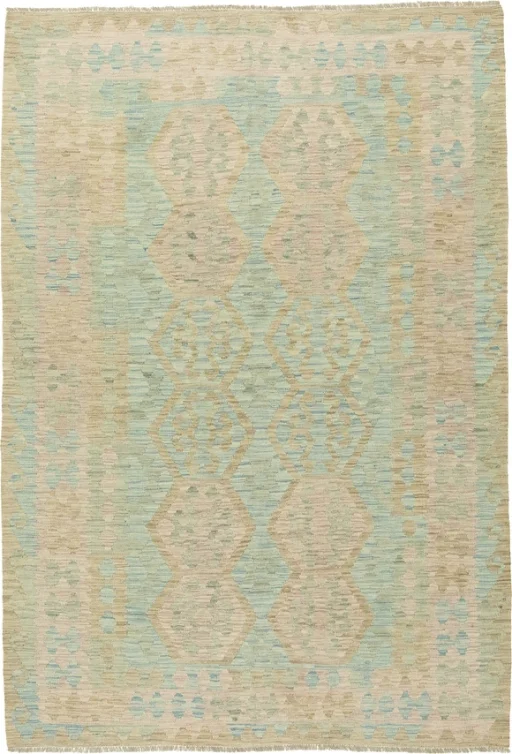
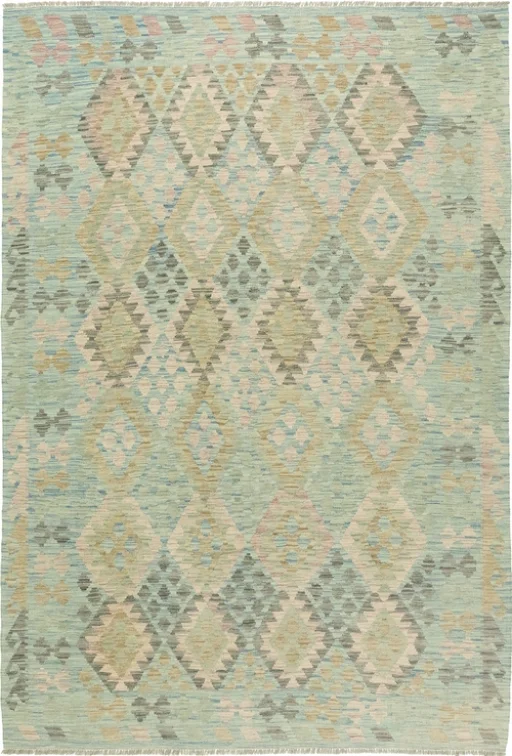
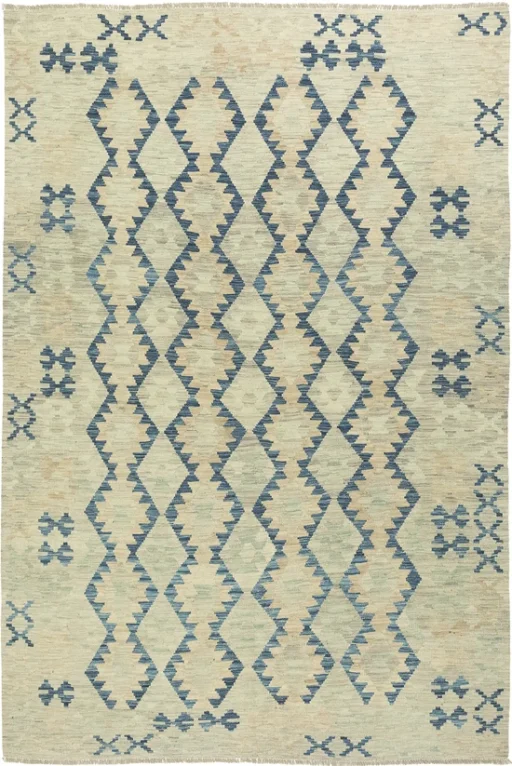
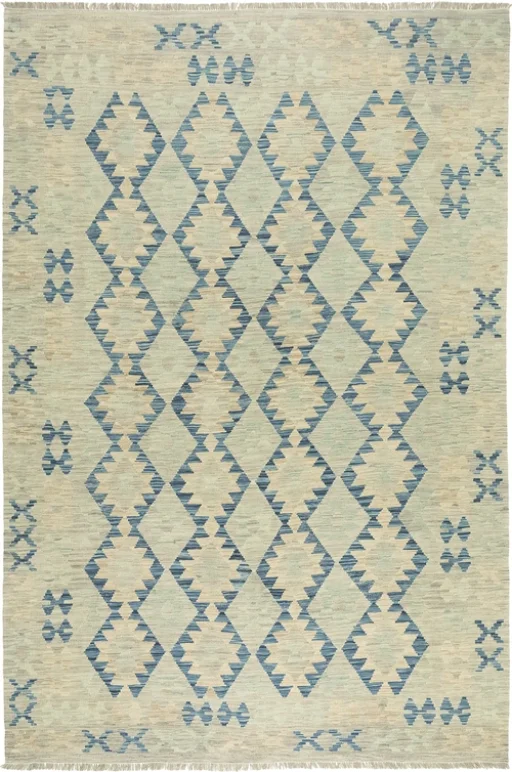
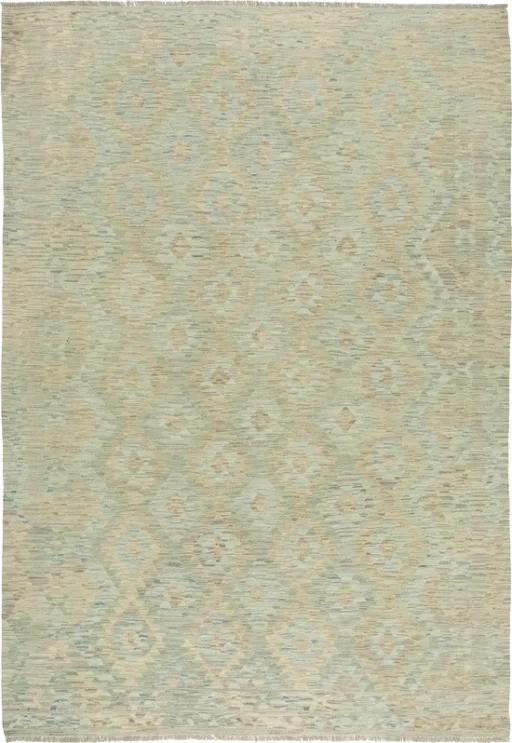
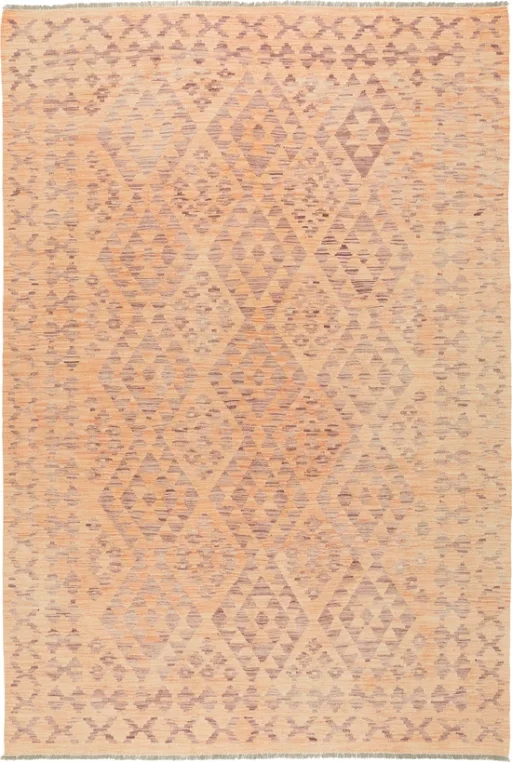
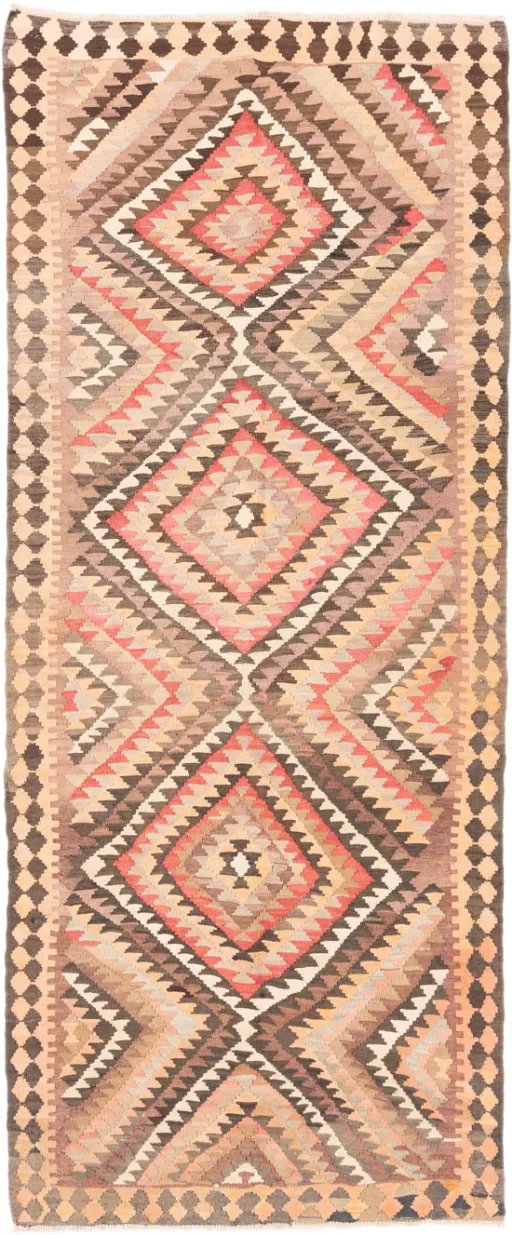
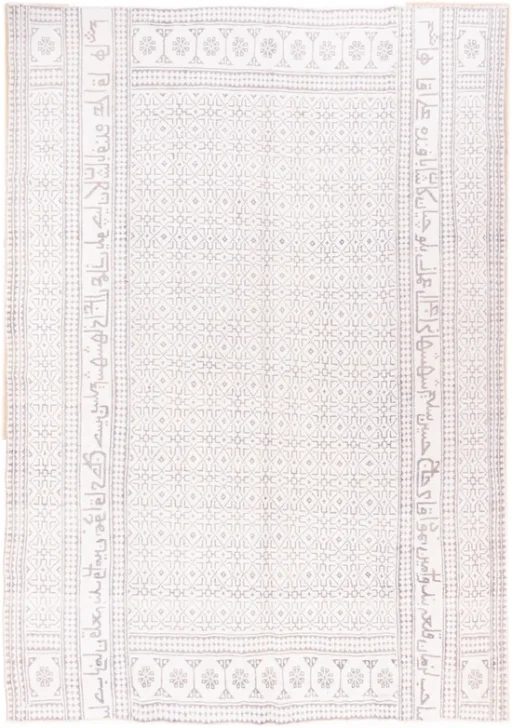
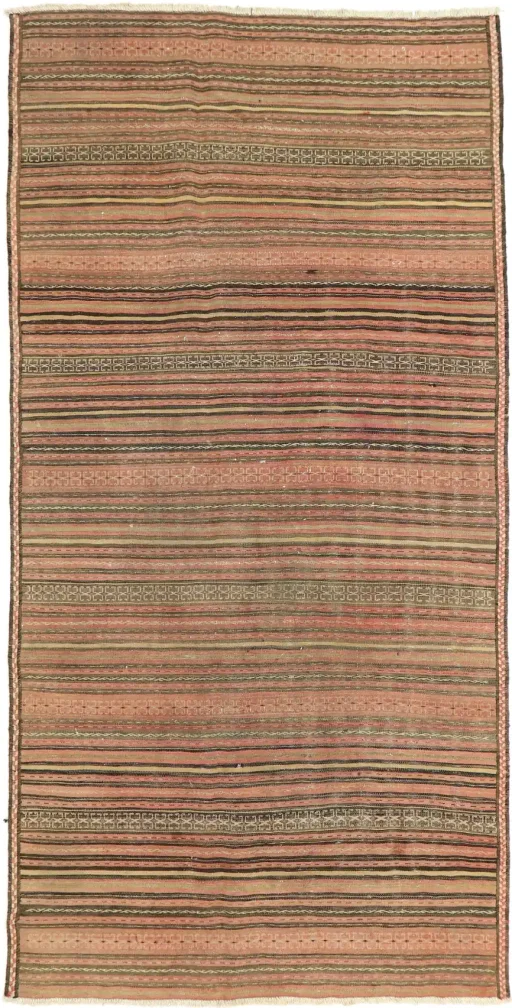
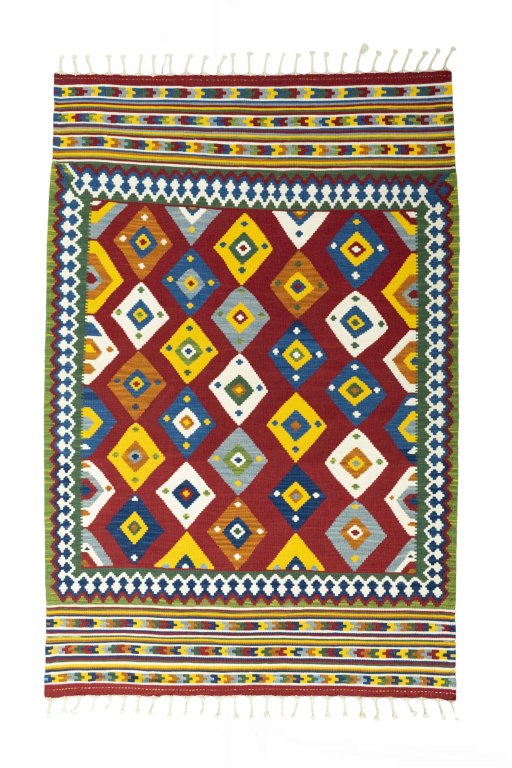
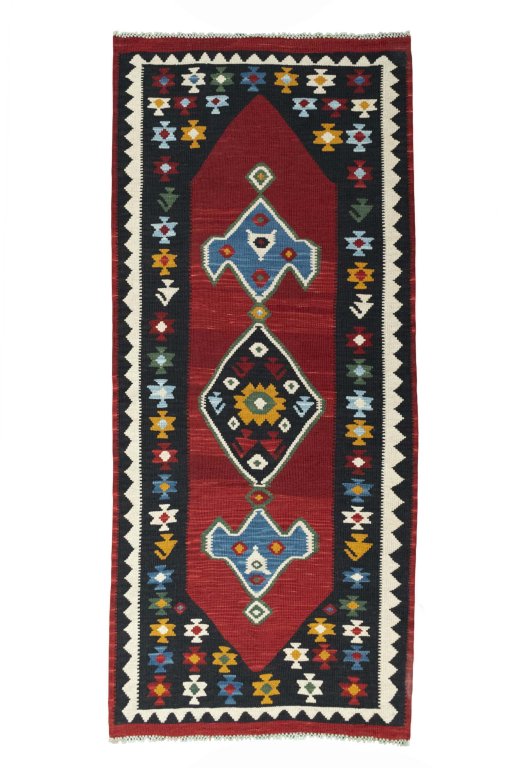
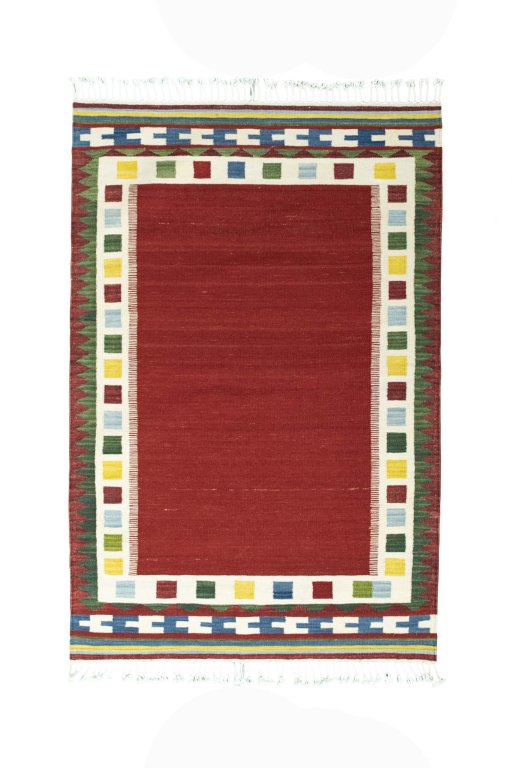
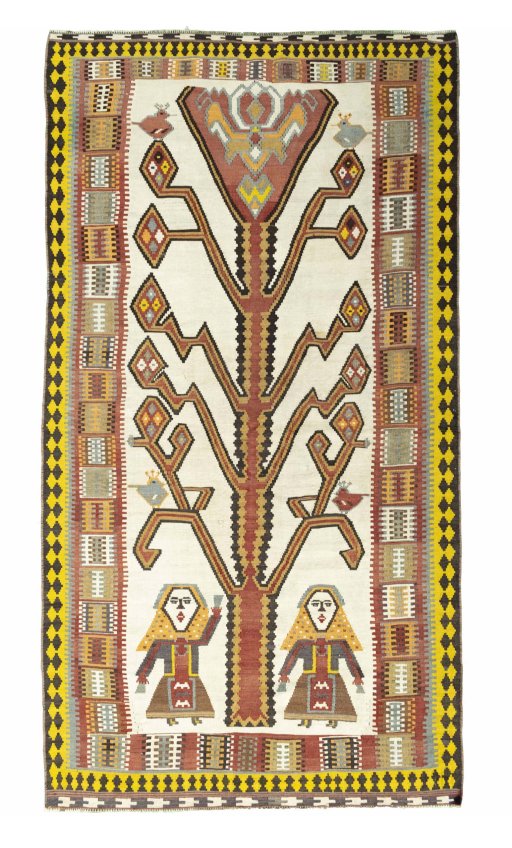
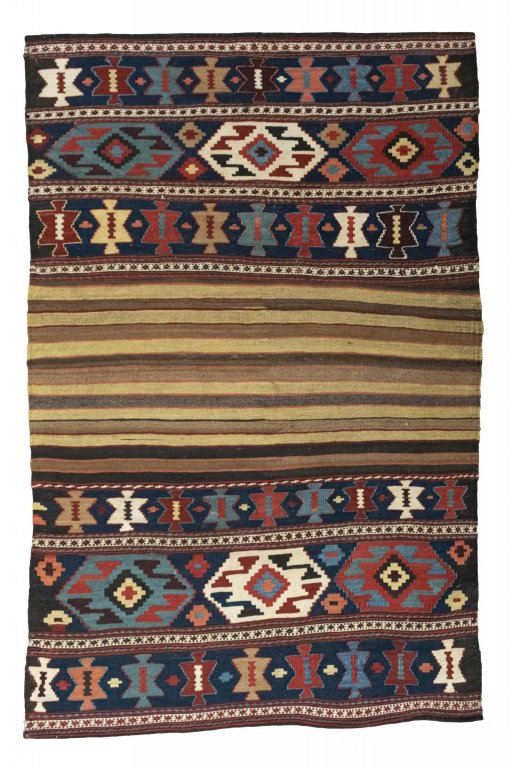
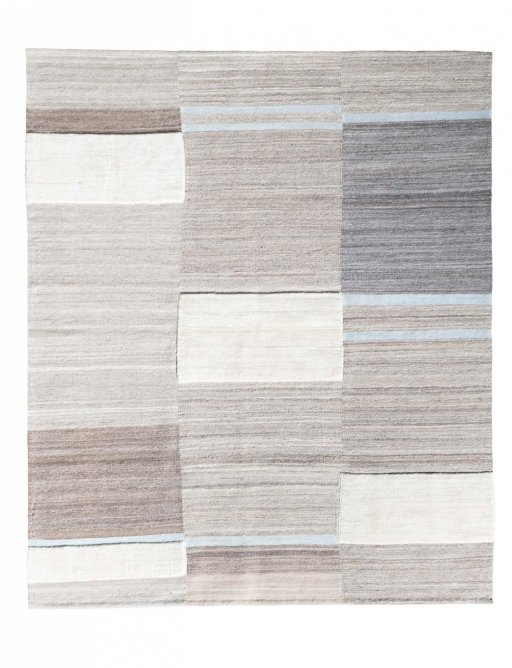
A kilim rug is a traditionally handwoven flatweave rug without pile. Unlike knotted carpets, kilims are made by interweaving warp and weft threads, with the weft forming the visible pattern and fully covering the warp.
This weaving technique creates a lightweight, durable and often reversible textile. Kilims can be used not only as floor rugs, but also as wall hangings, throws, decorative textiles or layered accents in interior design.
Originally, kilims were woven by nomadic and rural communities for everyday use. They served as floor coverings, tent furnishings, saddle bags, storage textiles and ceremonial pieces. Today, authentic kilim rugs are appreciated worldwide for their natural materials, cultural origin and flexible use in contemporary homes.
This weaving technique creates a lightweight, durable and often reversible textile. Kilims can be used not only as floor rugs, but also as wall hangings, throws, decorative textiles or layered accents in interior design.
Originally, kilims were woven by nomadic and rural communities for everyday use. They served as floor coverings, tent furnishings, saddle bags, storage textiles and ceremonial pieces. Today, authentic kilim rugs are appreciated worldwide for their natural materials, cultural origin and flexible use in contemporary homes.