
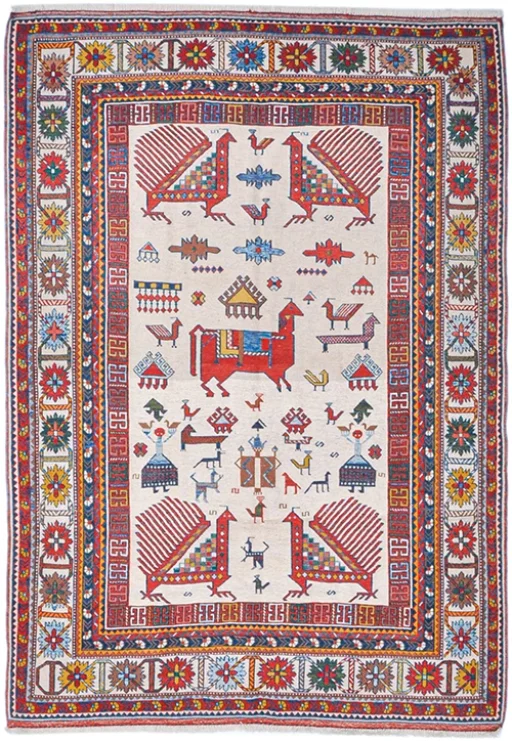
Sumakh

Sumakh

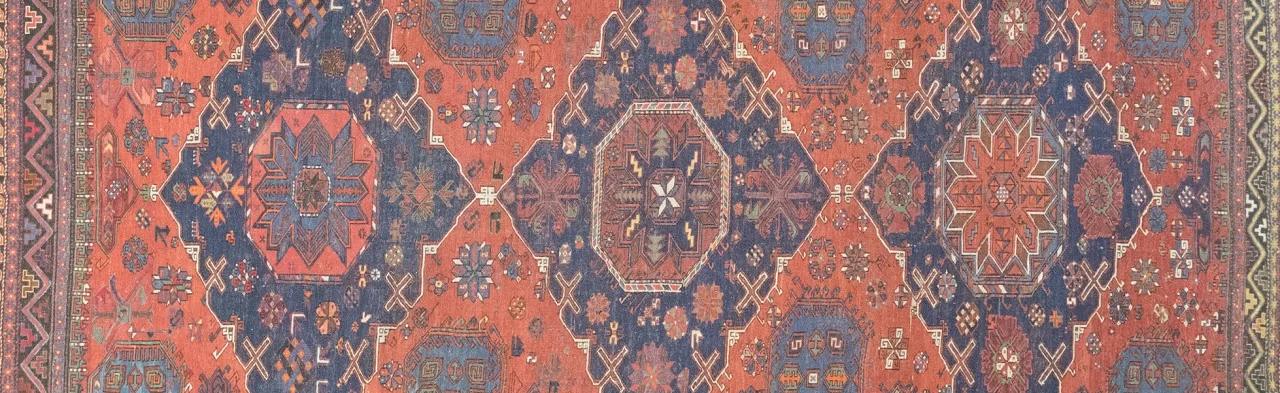
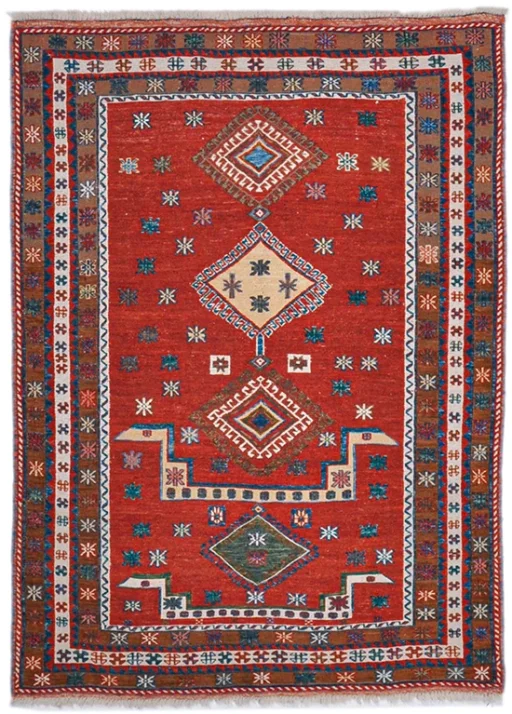
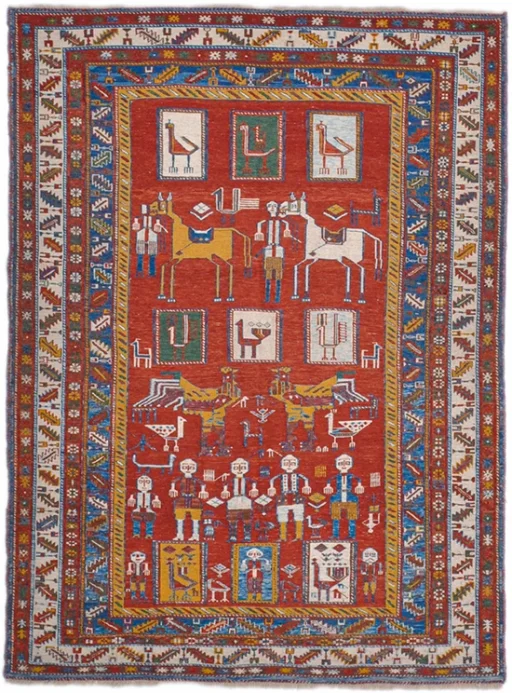
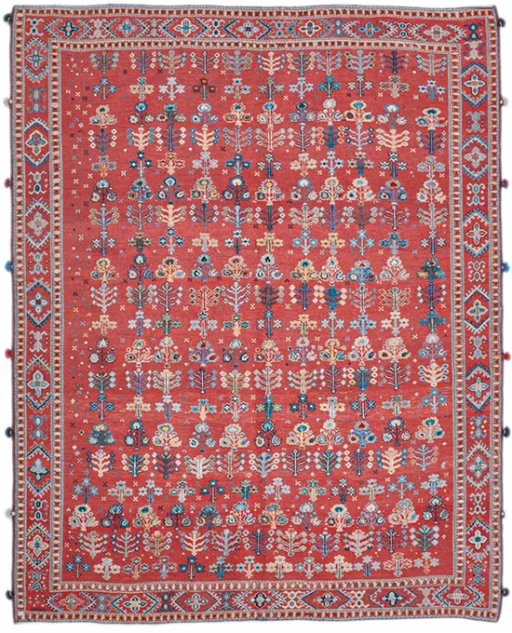
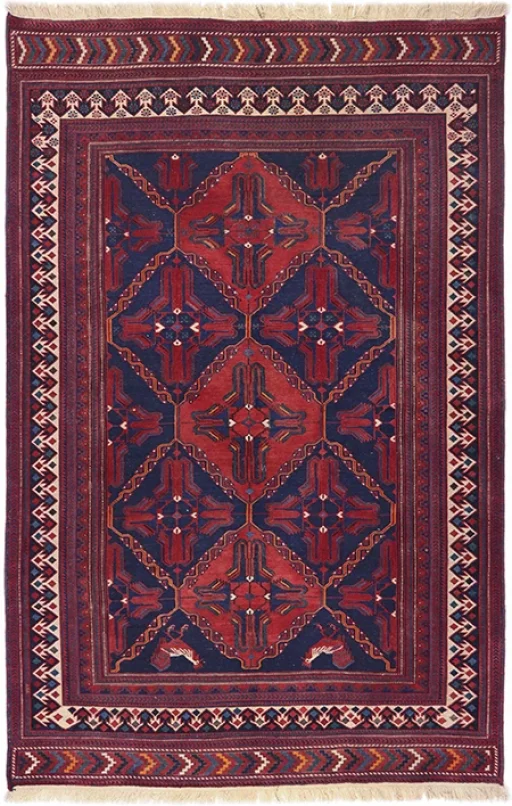
I tappeti Sumakh sono tessuti tradizionali a piatto provenienti dal Caucaso e da alcune parti dell'Iran, noti per la loro struttura robusta e i dettagliati motivi geometrici. Invece di un pelo annodato, il loro design è creato attraverso una tecnica di avvolgimento distintiva che conferisce alla superficie una sensazione ferma e testurizzata. Tessuti in lana di alta qualità e tinti con colori naturali, i pezzi Sumakh mostrano spesso motivi audaci e contrasti ricchi che riflettono le tradizioni artistiche delle loro regioni di tessitura. I loro motivi espressivi e la trama durevole rendono i tappeti Sumakh pezzi apprezzati dai collezionisti e una scelta significativa per interni che valorizzano l'artigianato culturale.

Sumakh

8 Tappeti trovati
Tappeti 1 - 8 da 8

Sumakh Rugs

Traditional Caucasian Flatweaves with Distinctive Texture

Sumakh rugs, also spelled Soumak or Sumak, are distinctive oriental flatweaves known for their unique weaving technique, geometric patterns, and durable wool structure. Originally produced in the Caucasus as well as in northern Iran and Anatolia, these rugs represent an important part of traditional village and nomadic weaving culture.
Unlike knotted pile carpets, Sumakh rugs are created using a special wrapping technique that forms the pattern within the weave itself. This method produces a slightly raised surface texture that gives the rug both visual depth and excellent durability.
The Sumakh weaving technique originated in the mountainous regions of the Caucasus and was widely used by village and tribal communities. Historically, these textiles were produced in areas such as Azerbaijan, northern Iran, and parts of eastern Turkey.
Originally, Sumakh weavings served practical purposes in everyday life. They were used as floor coverings, saddle blankets, or storage textiles. Over time, Sumakh rugs became appreciated as unique examples of traditional weaving craftsmanship with strong cultural identity.
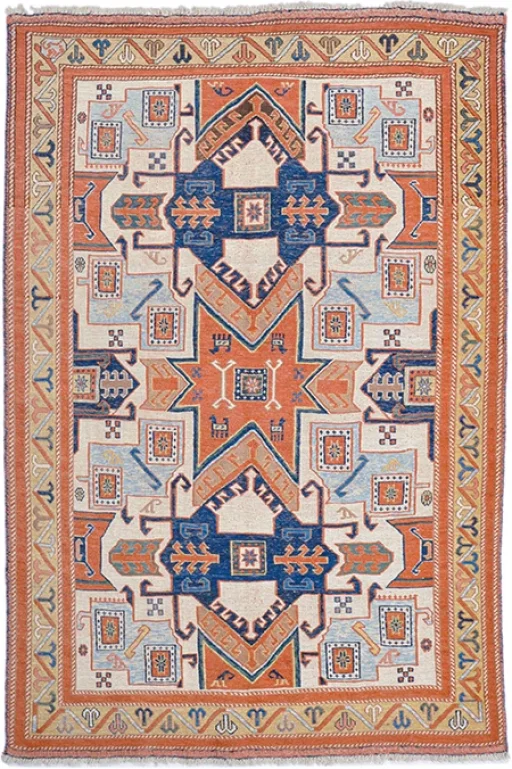
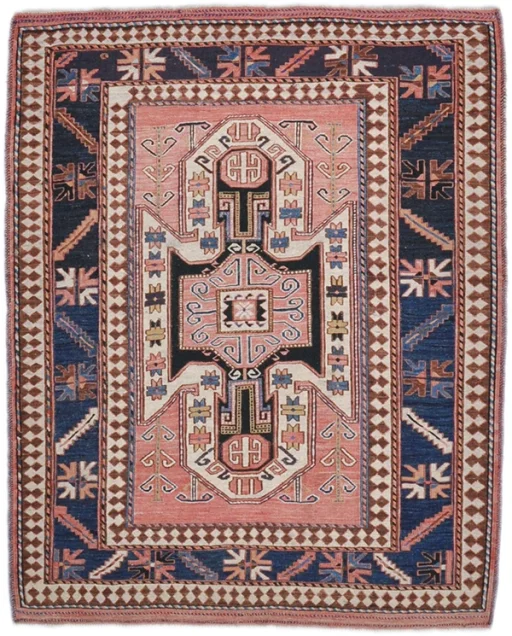
Sumakh rugs are especially recognized for their clear geometric motifs. Diamond shapes, stars, stylized animals, and small medallions often appear in repeating rhythmic patterns across the field.
The designs usually appear structured and graphic, giving Sumakh rugs a strong visual identity. This distinctive style makes them suitable for both traditional interiors and contemporary living spaces.
A defining characteristic of Sumakh rugs is their special weaving technique. Instead of tying knots, the pattern is created by wrapping colored weft threads around the warp threads. This produces a textured surface that feels slightly raised compared with flat kilims.
Traditionally, Sumakh rugs are woven from hand-spun wool. This natural material provides durability, flexibility, and a pleasant textile feel.
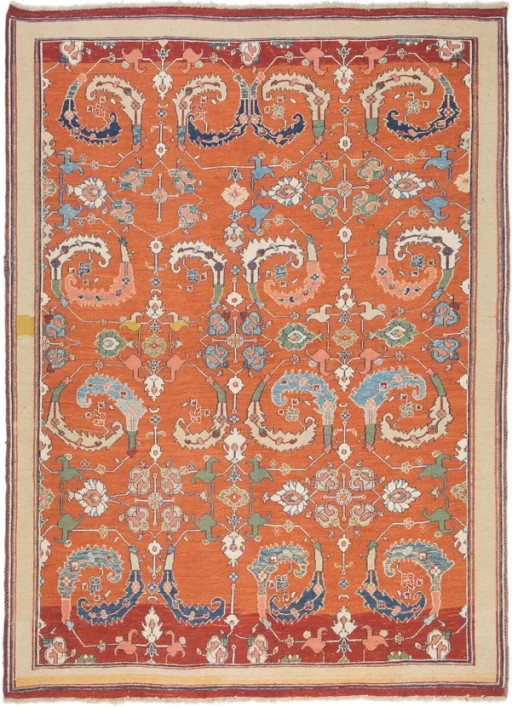
The color palette of Sumakh rugs traditionally comes from natural dyes. Deep reds, indigo blues, beige tones, and earthy shades are commonly used.
Because the yarn is often dyed by hand, slight tonal variations can appear within the rug. These subtle variations, known as abrash, give each Sumakh rug a lively and authentic appearance.
With their geometric patterns and textured structure, Sumakh rugs add visual character to interior spaces. In modern homes they create an interesting contrast to minimalist architecture and simple furniture.
In bohemian, vintage, or ethnic-inspired interiors they emphasize the handcrafted nature of the space and contribute warmth and cultural depth.

Rugbloom curates Sumakh rugs according to strict quality standards. Authentic origin, traditional weaving technique, high-quality wool, and balanced color composition are key selection criteria.
A Sumakh rug from Rugbloom combines traditional Caucasian weaving craftsmanship with durable materials and timeless interior design. Customers also benefit from free shipping and returns as well as a 30-day return policy.

Discover handwoven Sumakh rugs that bring traditional flatweave artistry into modern living spaces.

Spedizione gratuita e resi gratuiti
Garanzia di rimborso di 31 giorni
Acquista ora, paga dopo
Dal 1870: Esperti di Tappeti Orientali