
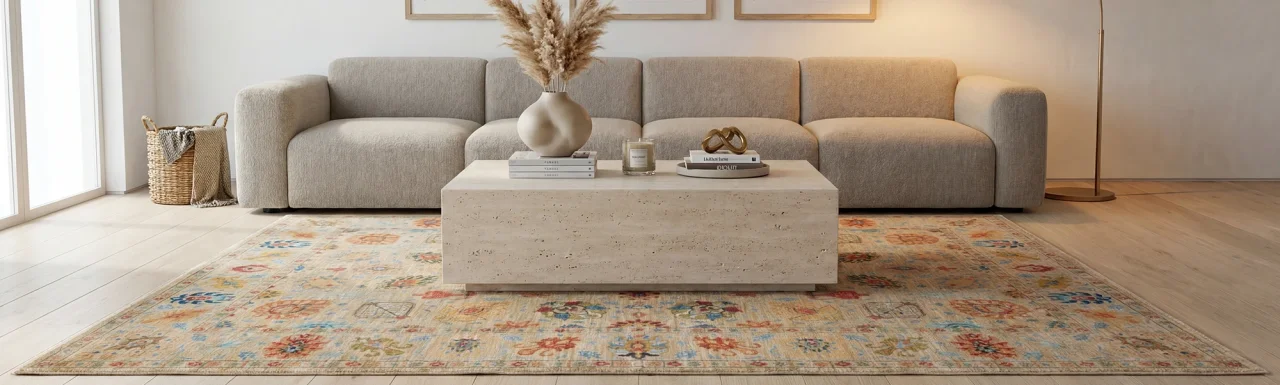

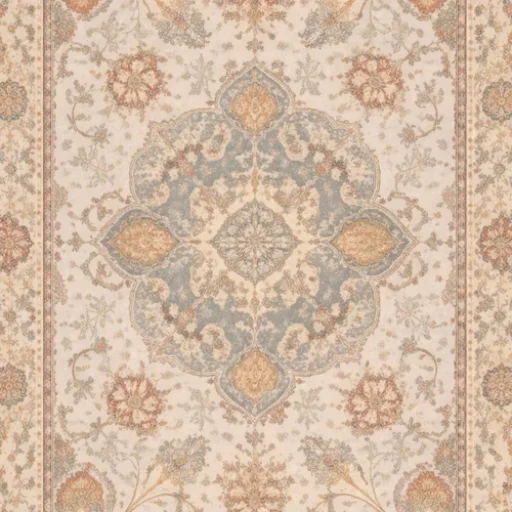
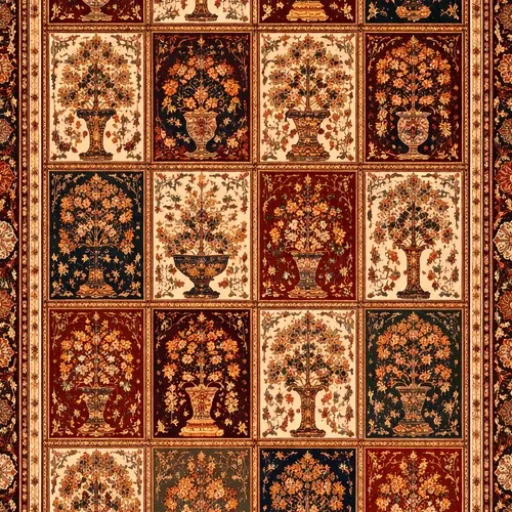
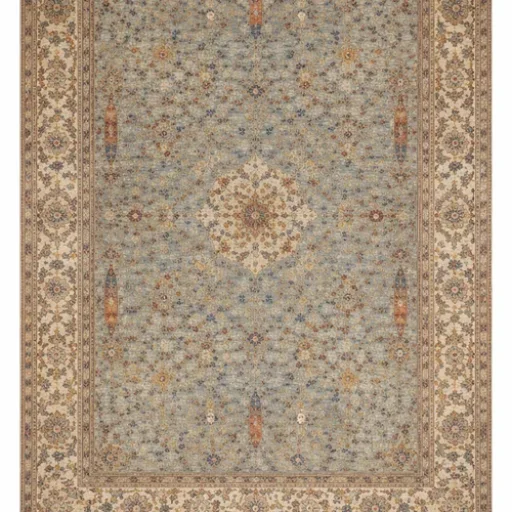
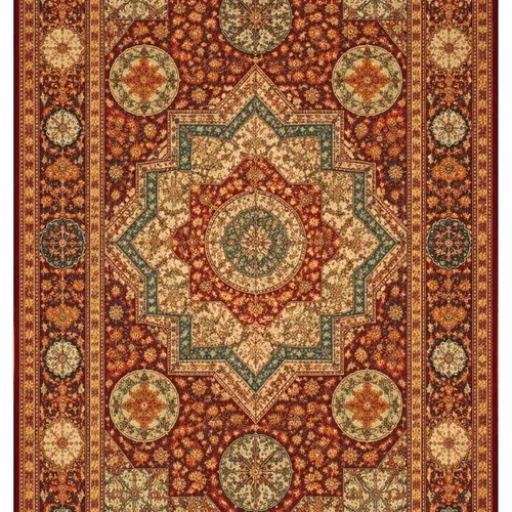
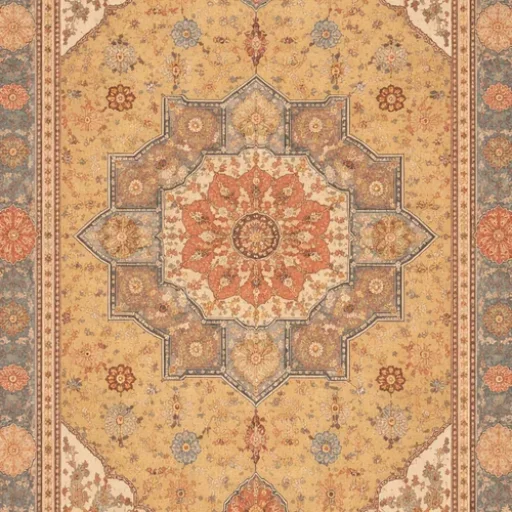
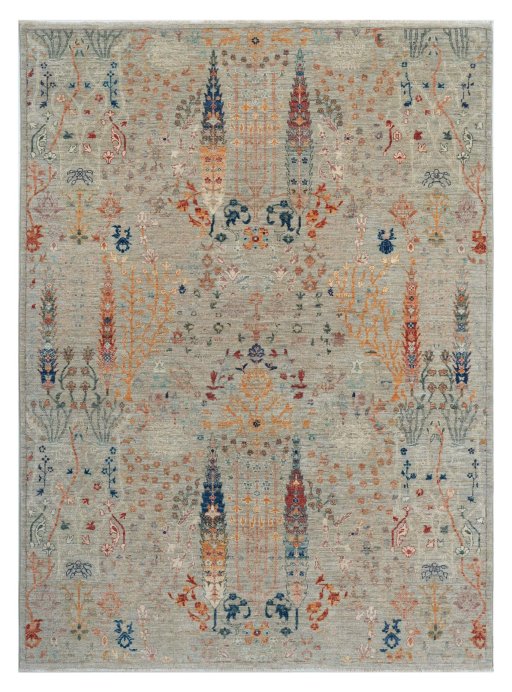
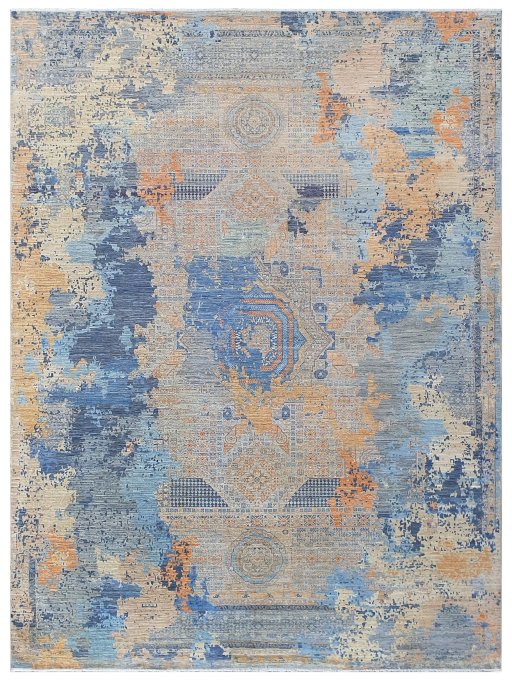
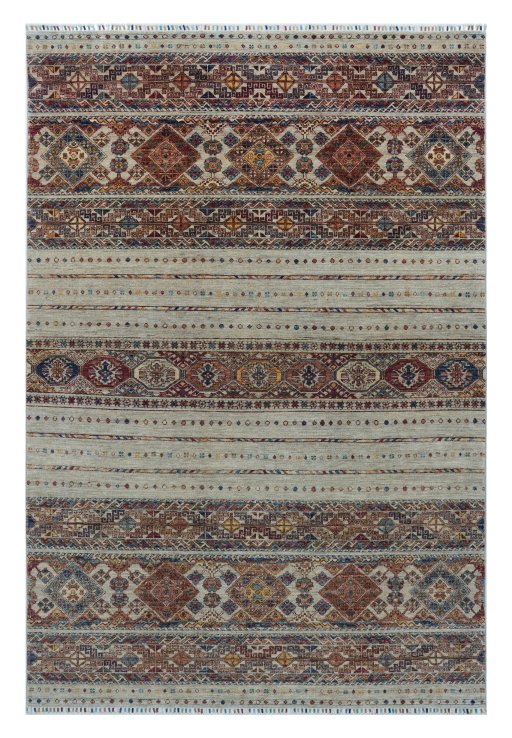
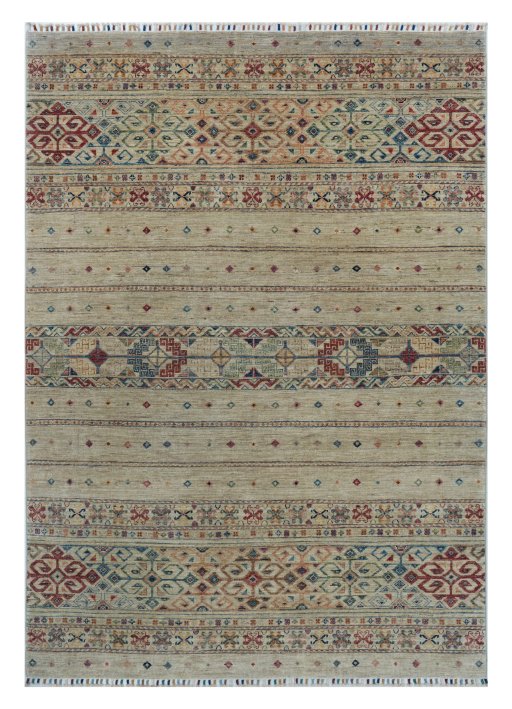
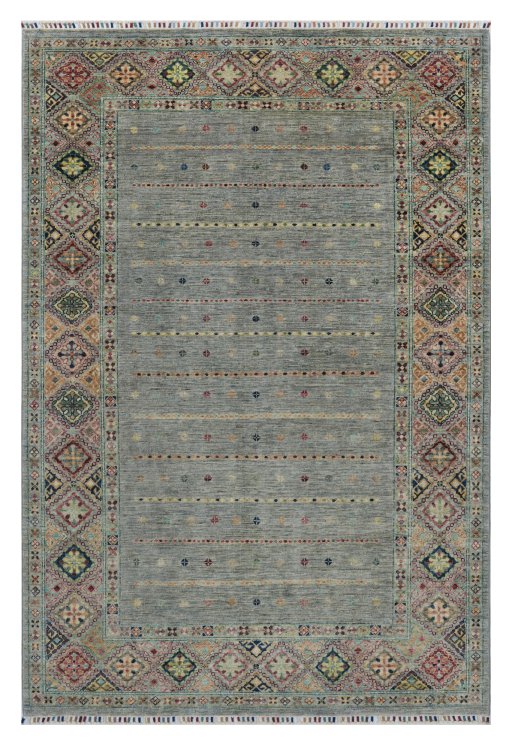
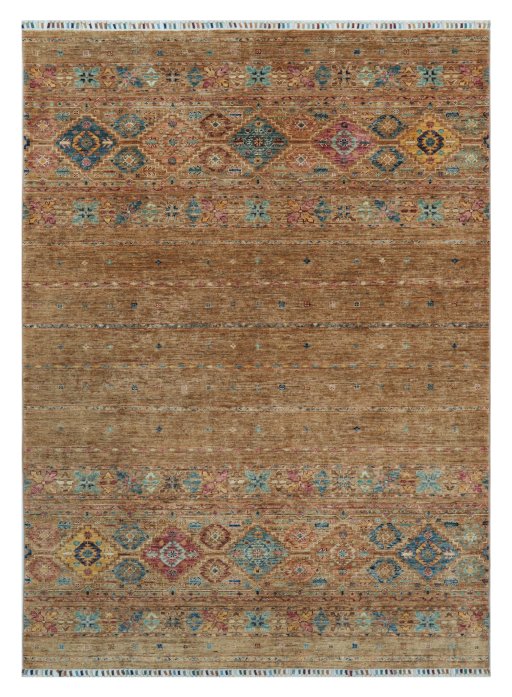
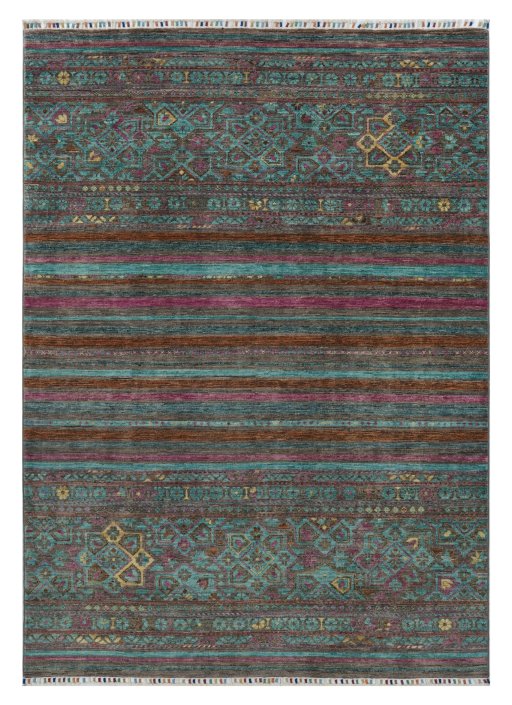
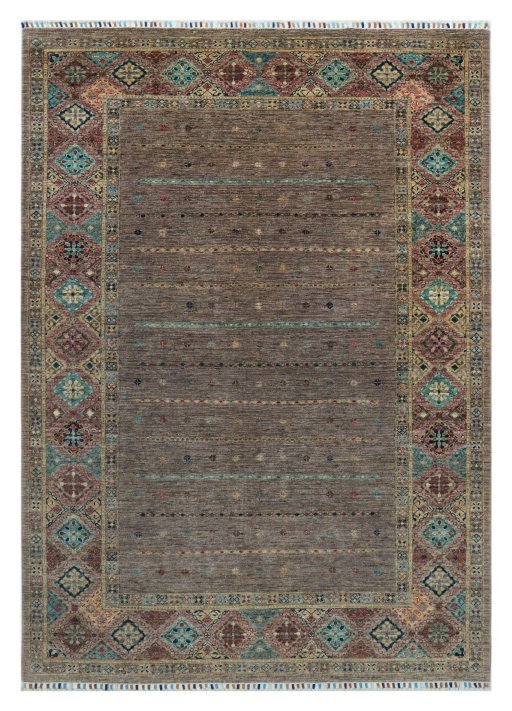
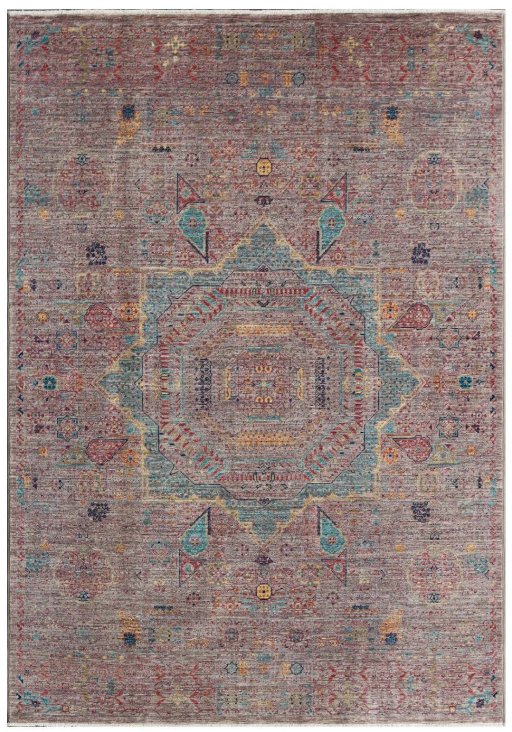
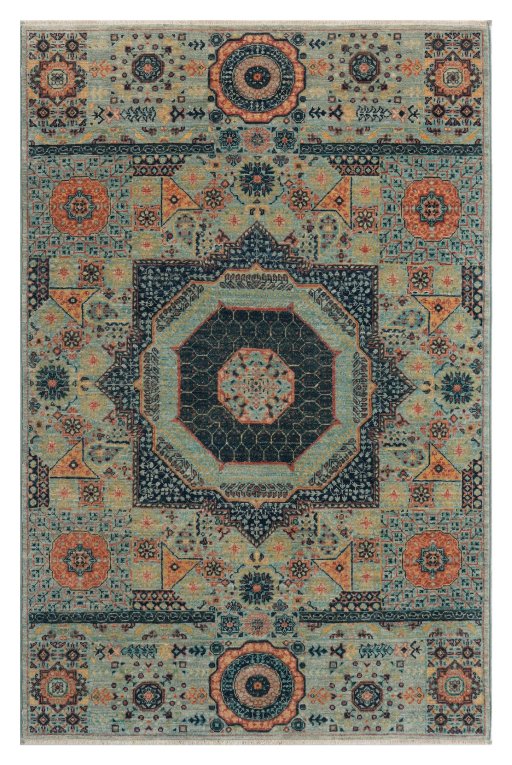
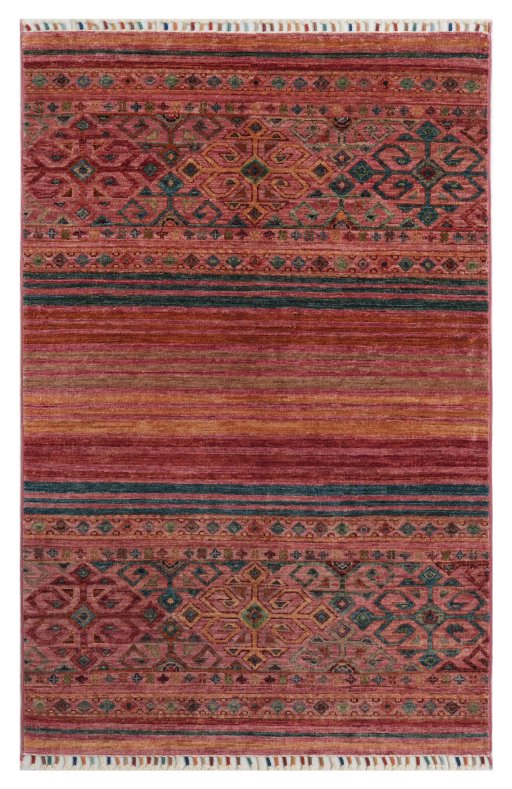
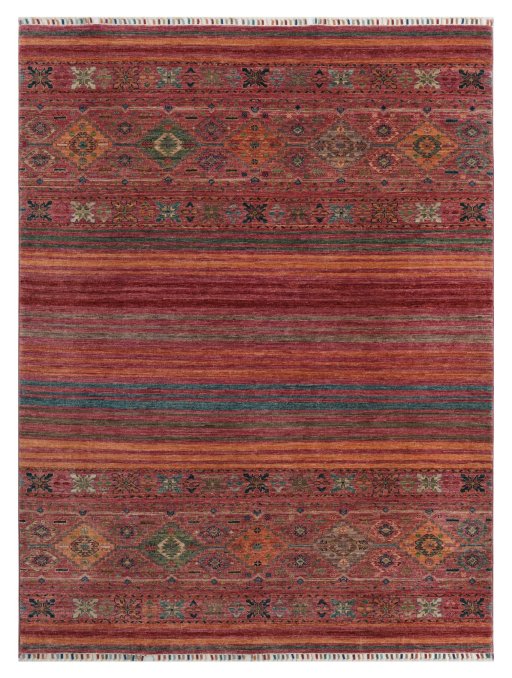
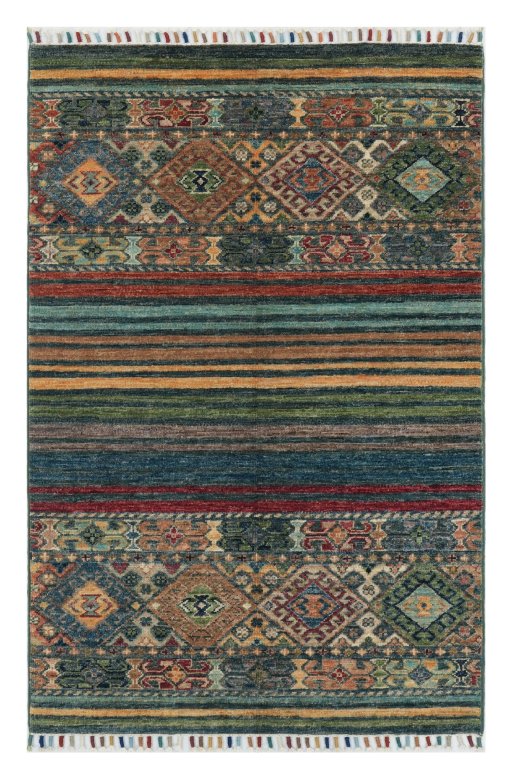
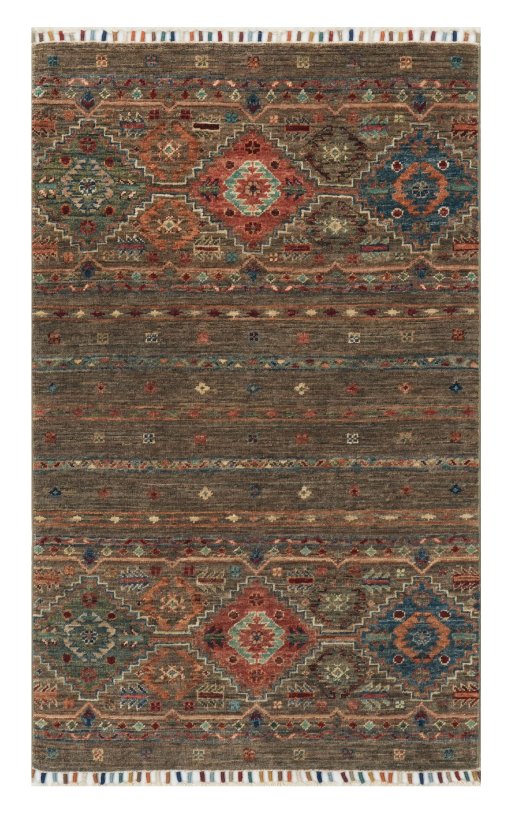
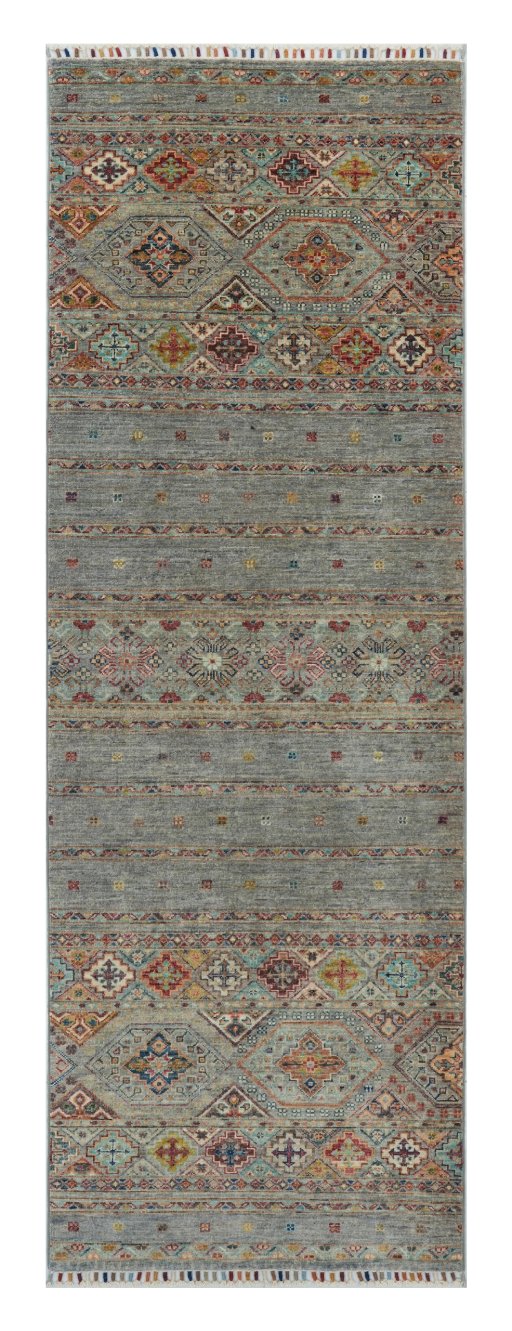
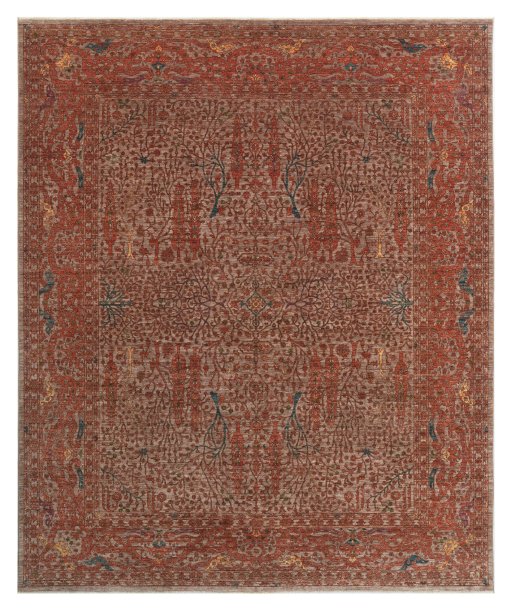
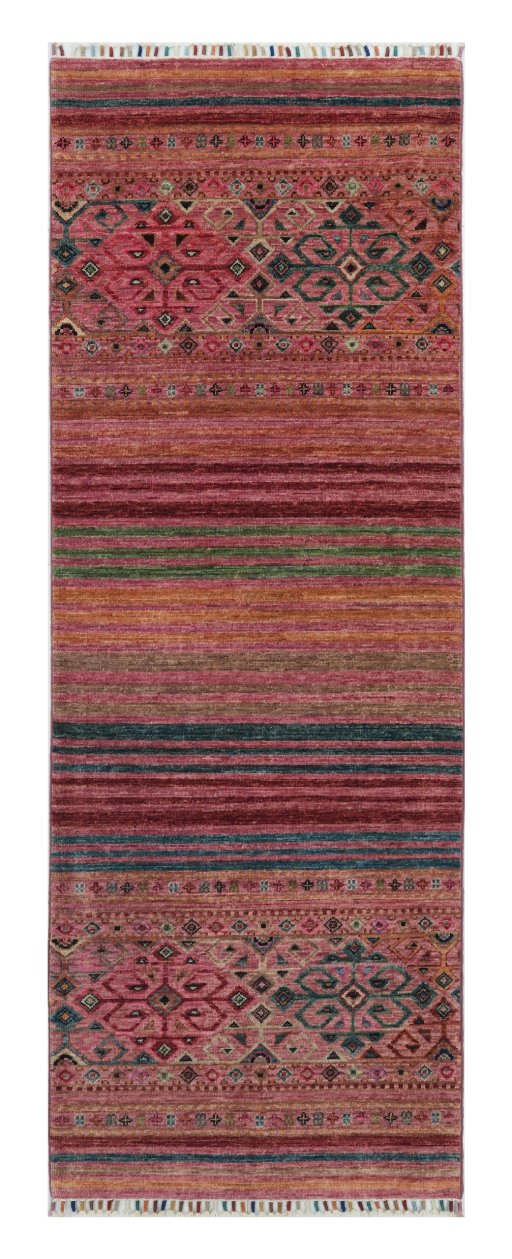
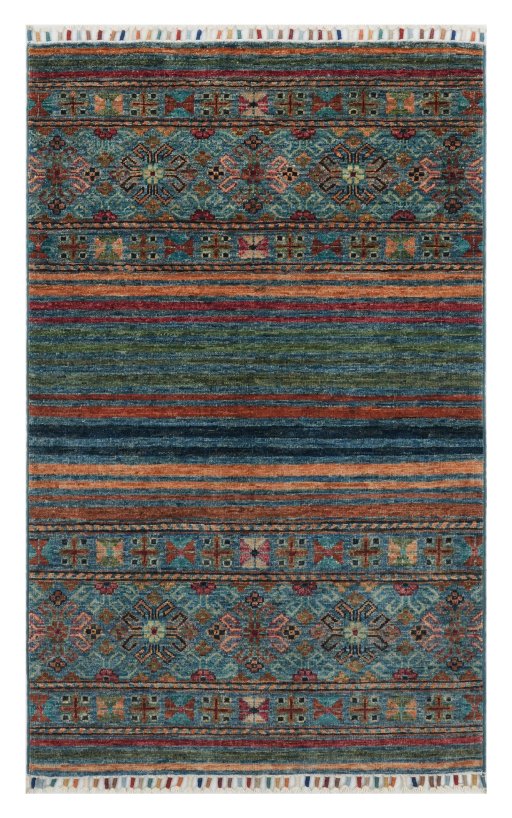
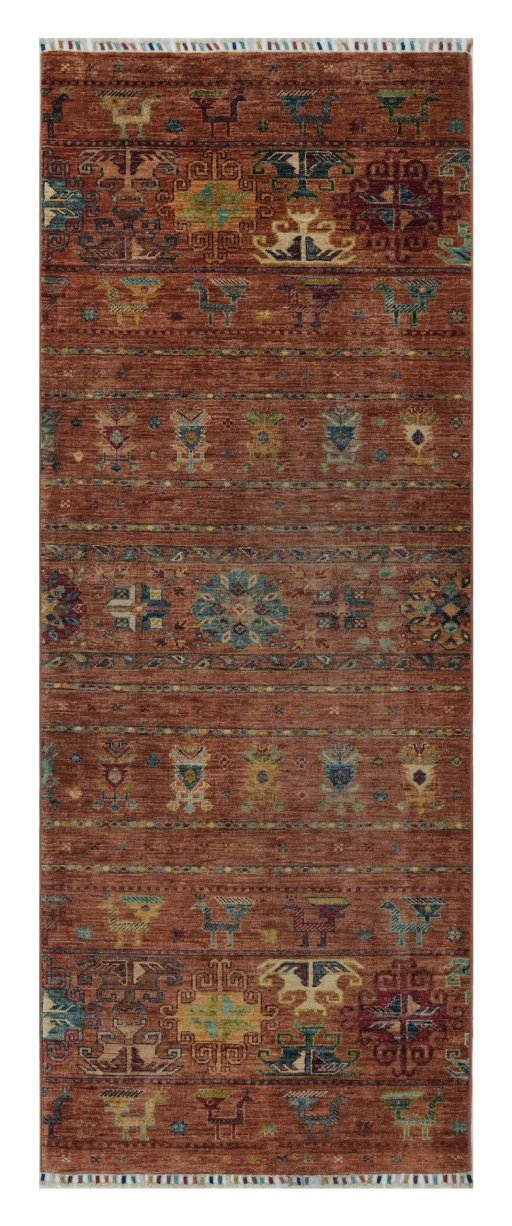
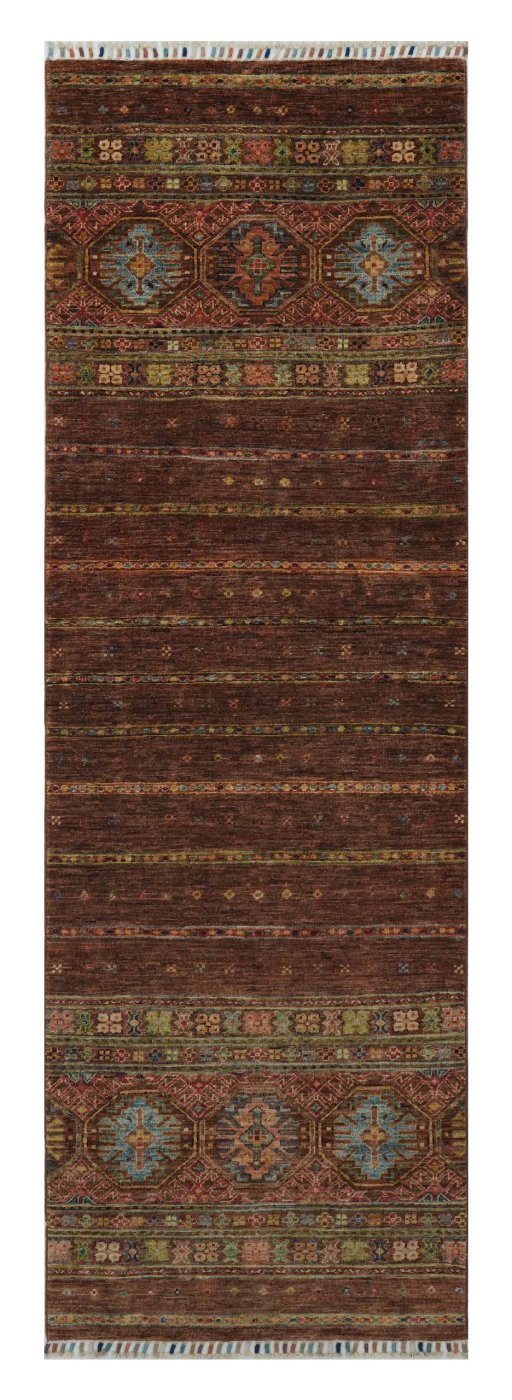
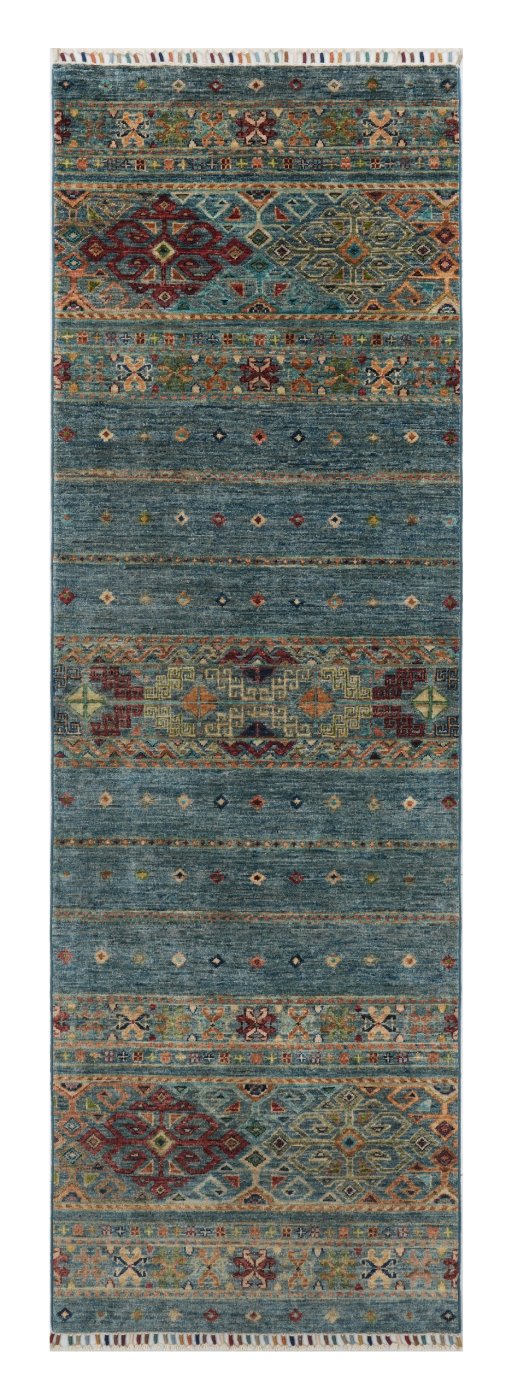
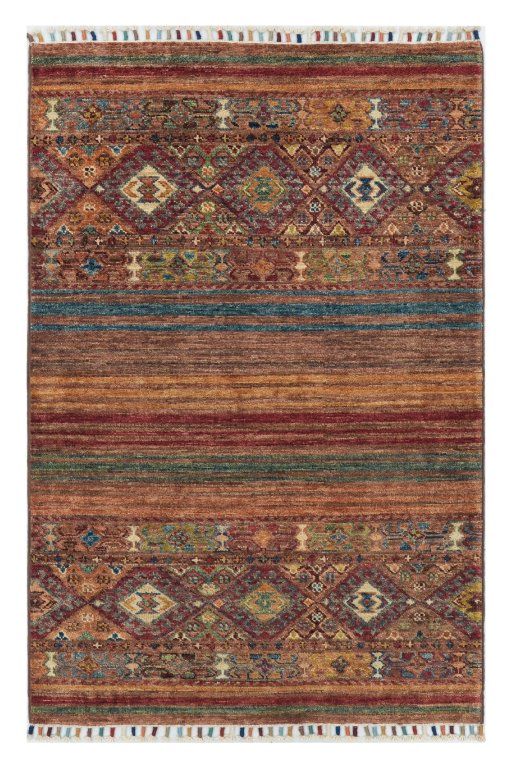
The knotting tradition of Afghan rugs is closely connected to the nomadic and semi-nomadic communities of the region. Originally, these rugs were made for personal and practical use and served as floor coverings, seating textiles, sleeping surfaces or everyday household pieces.
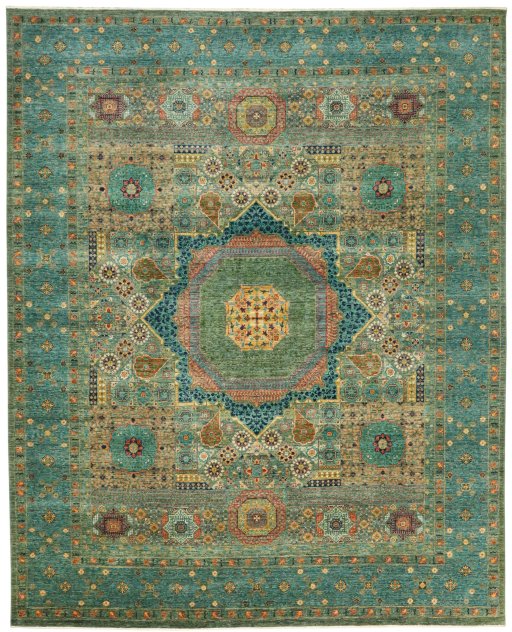
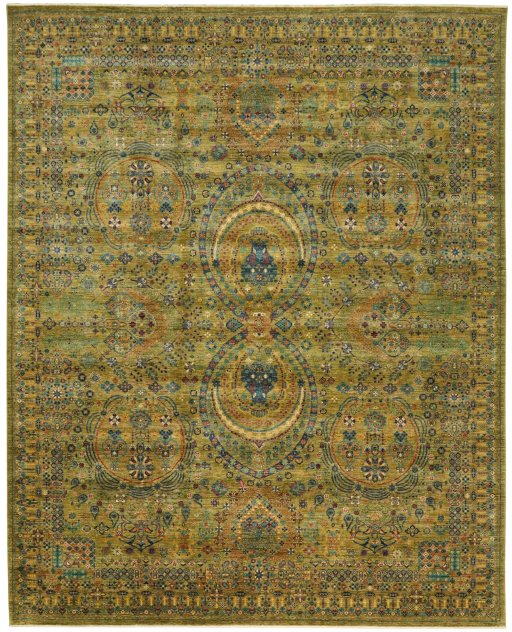
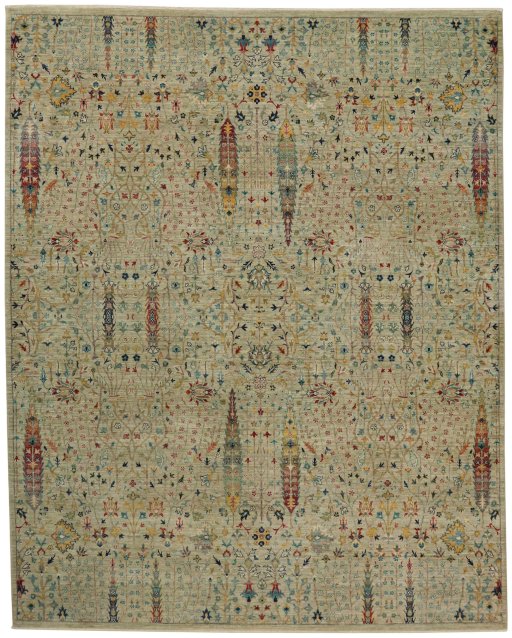
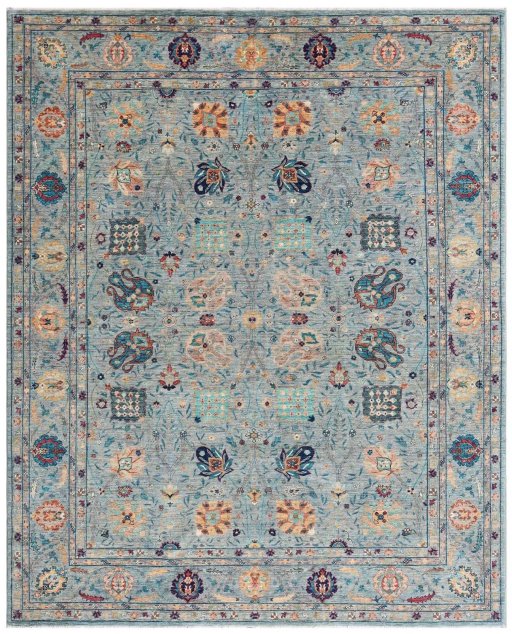
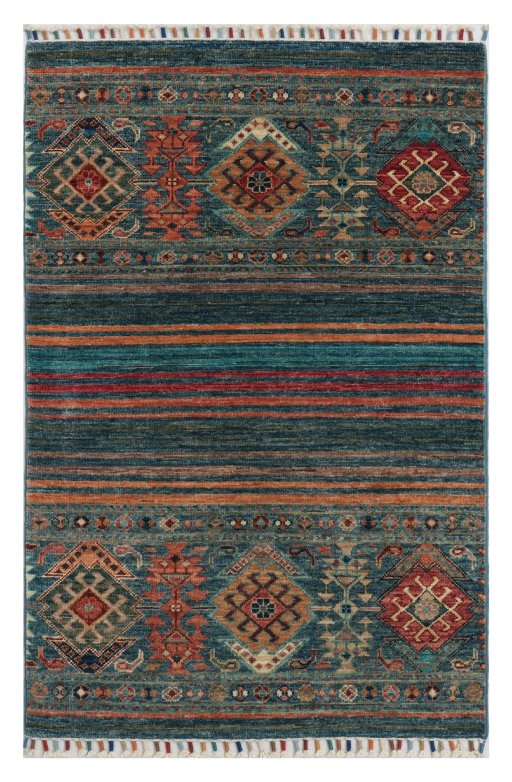
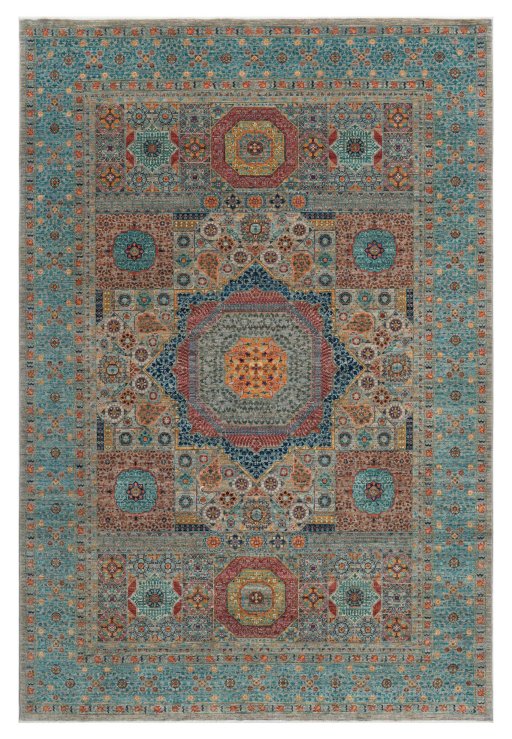
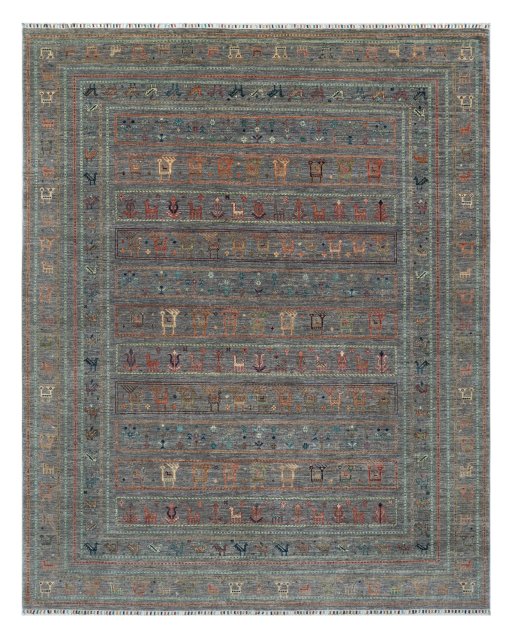
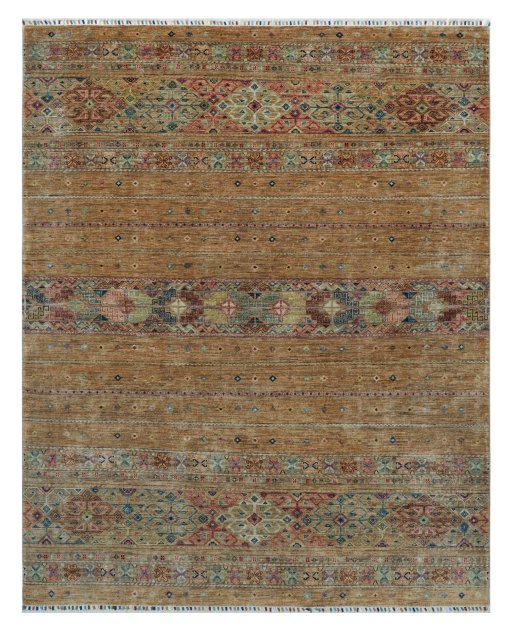
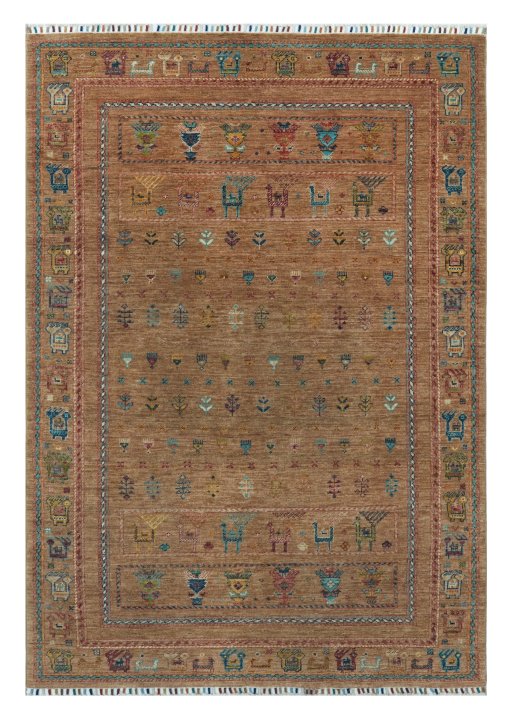
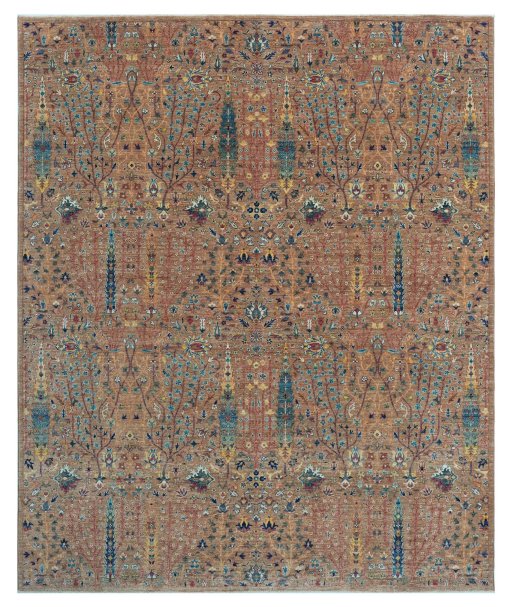
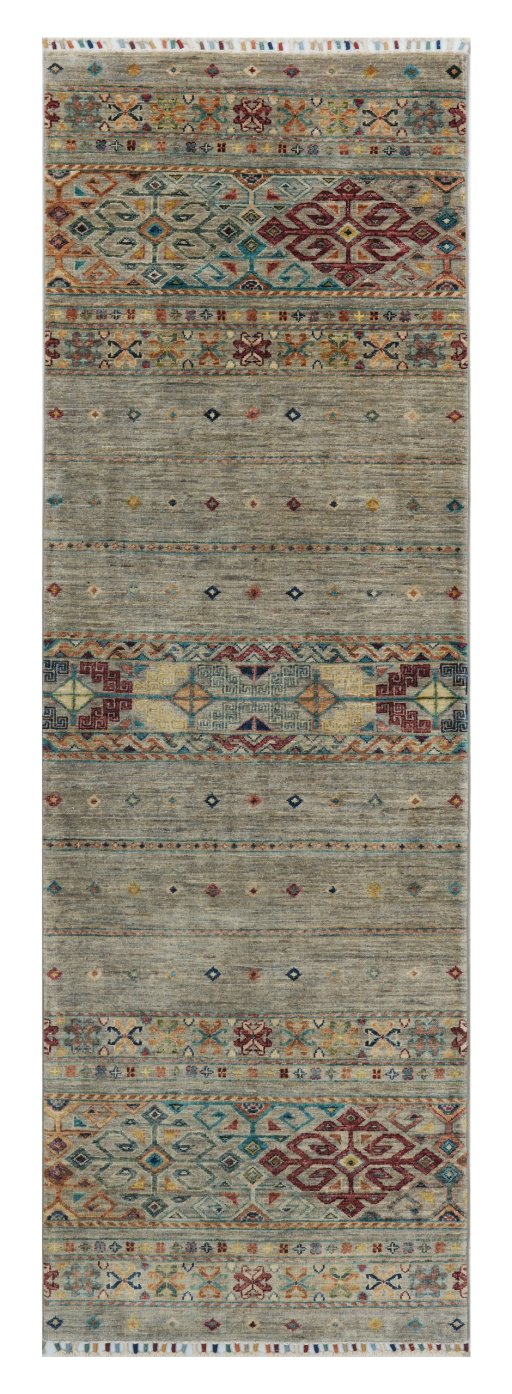
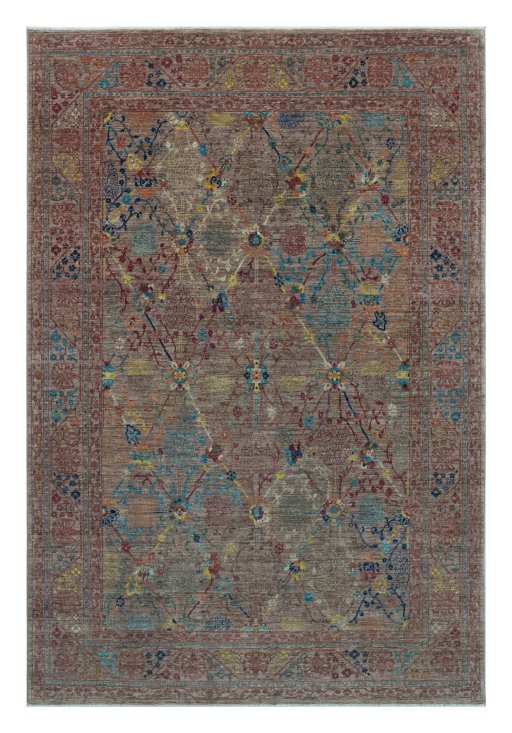
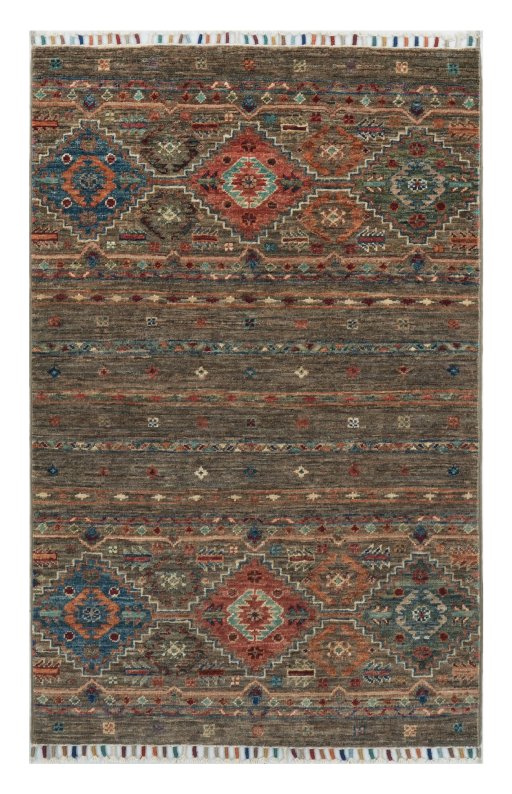
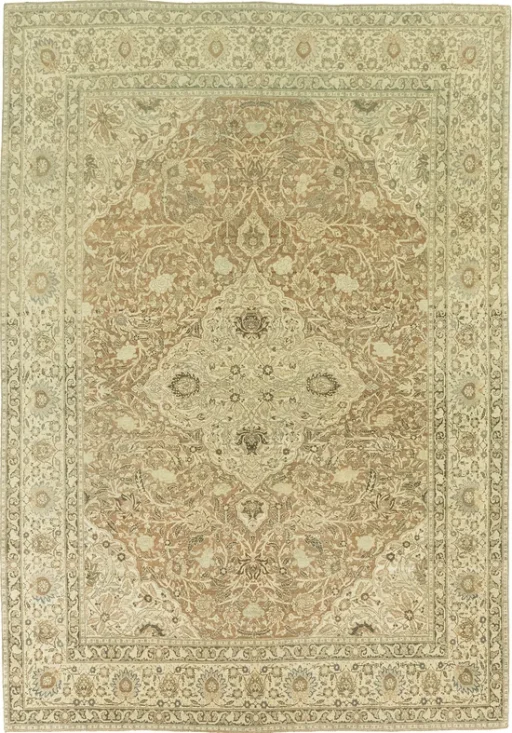
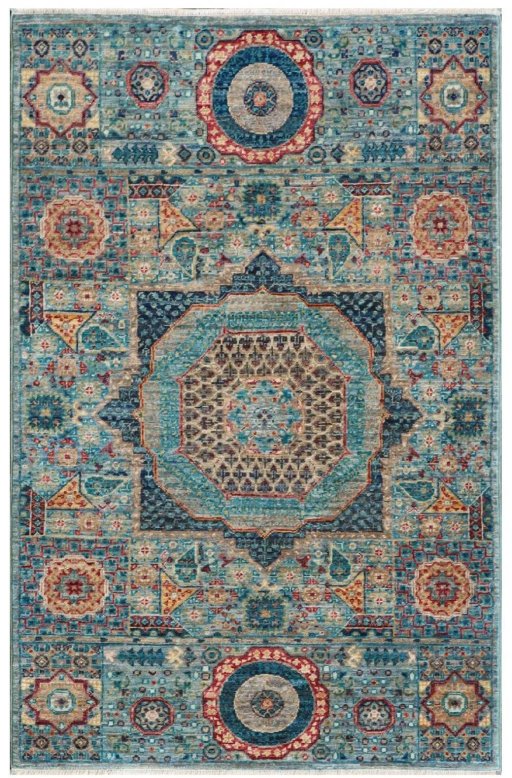
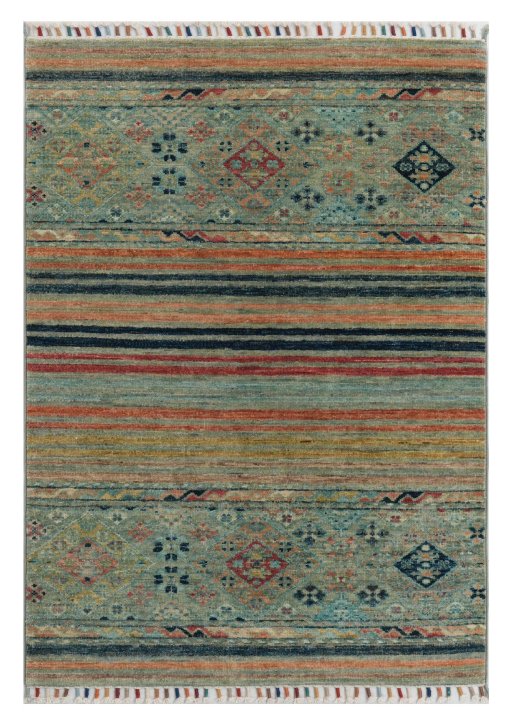
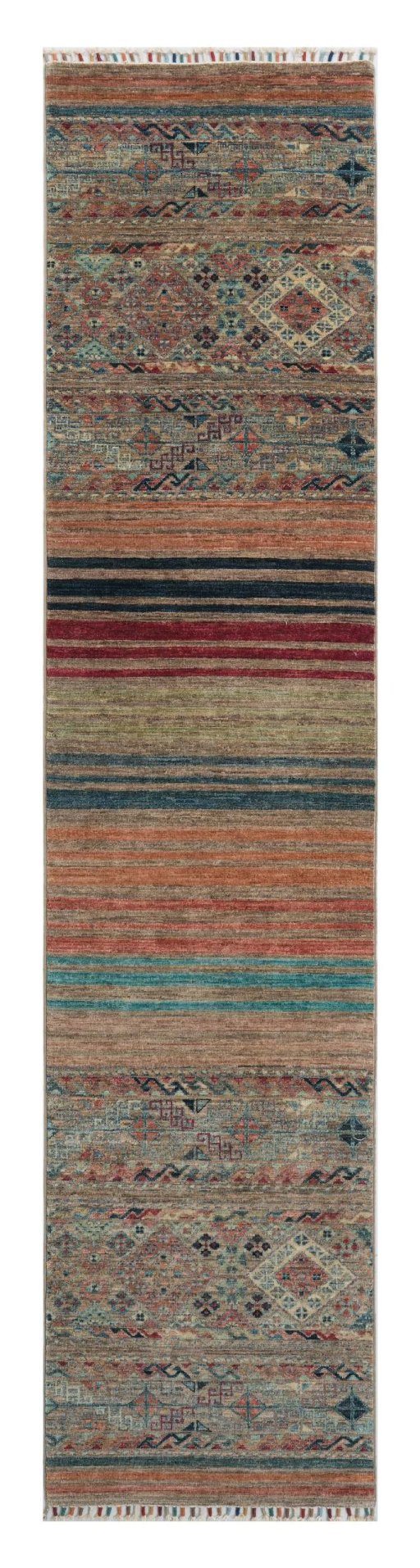
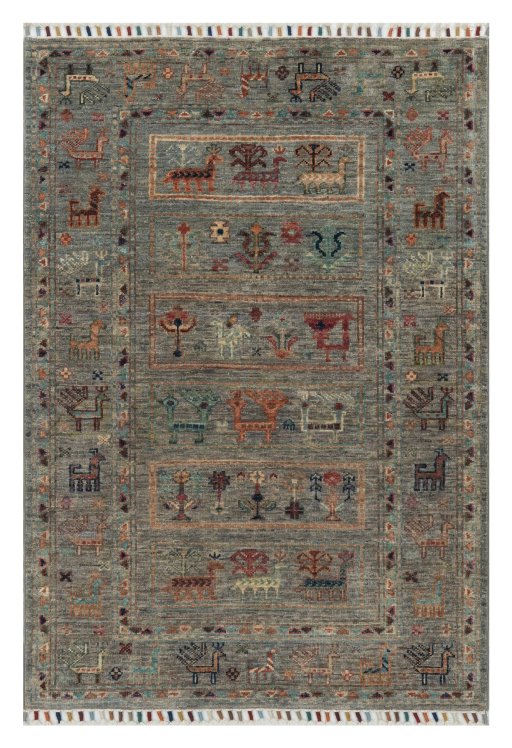
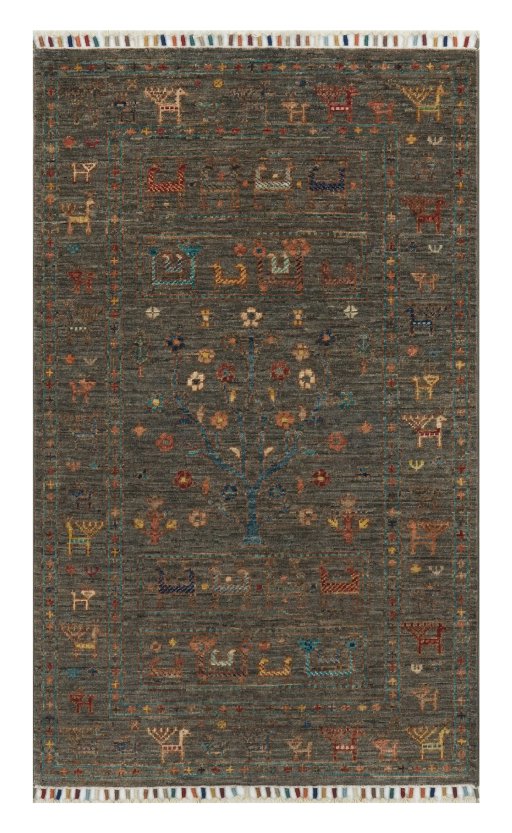
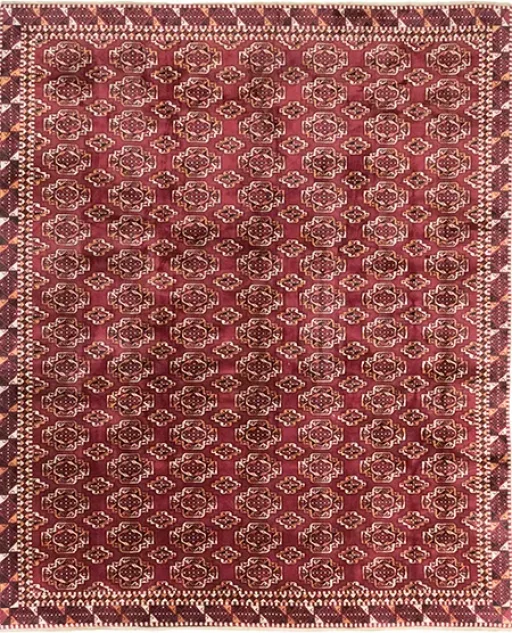
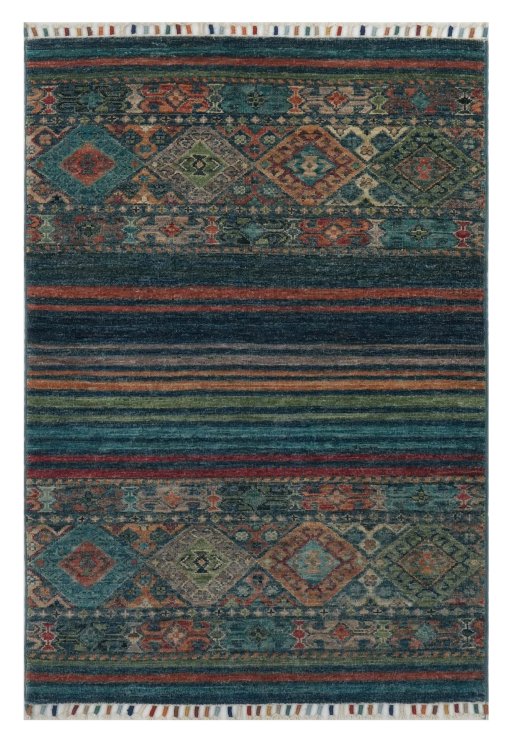
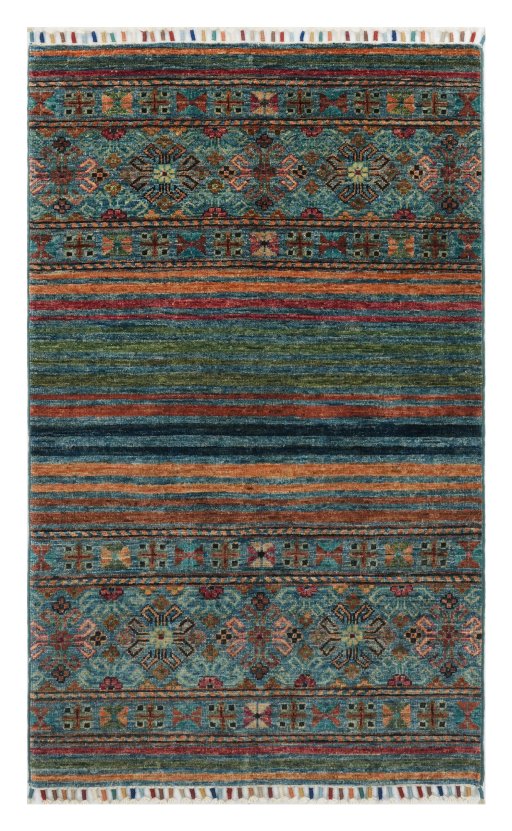
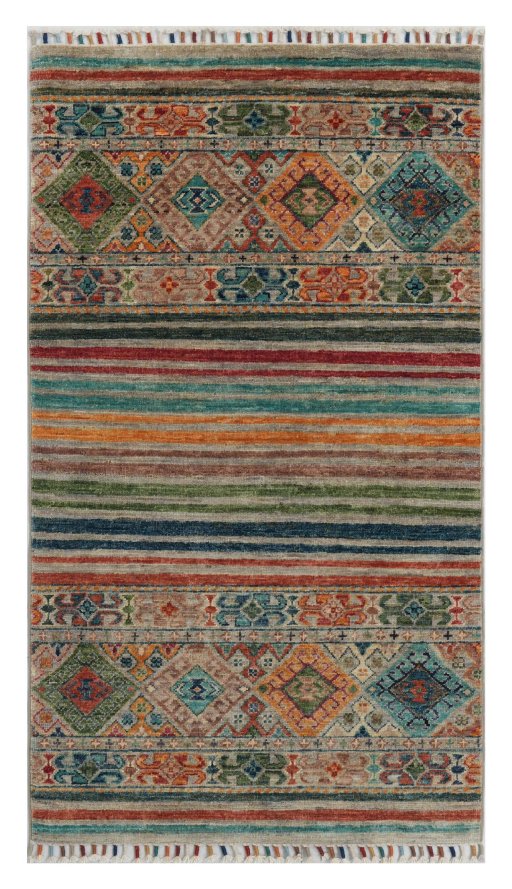
Over generations, distinctive design traditions developed. Repeating ornaments, structured compositions, geometric motifs and deep warm colors became typical features of Afghan rug weaving.
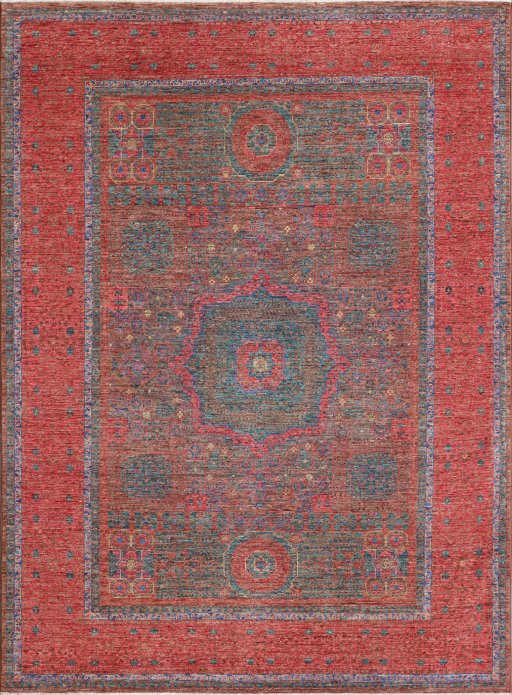
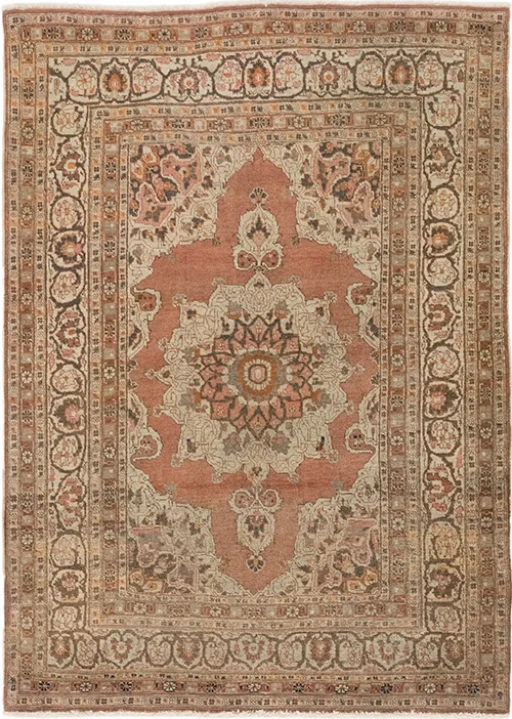
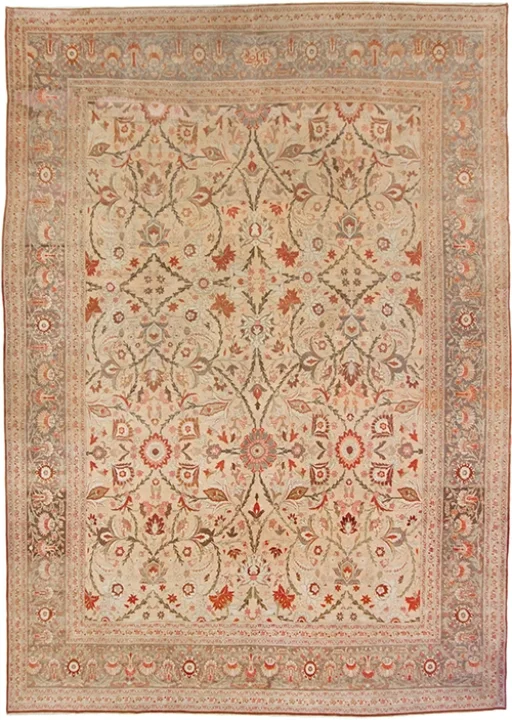
Pakistan rugs are historically and stylistically connected to these oriental rug traditions, but they are often produced in more organized workshop settings. As a result, many Pakistan rugs show a more regular structure, finer execution and highly balanced patterns.
Today, both Afghan and Pakistan rugs are firmly established within the world of classic oriental rugs and are appreciated for their strong character, practical durability and traditional design language.
Over generations, distinctive design traditions developed. Repeating ornaments, structured compositions, geometric motifs and deep warm colors became typical features of Afghan rug weaving.
Pakistan rugs are historically and stylistically connected to these oriental rug traditions, but they are often produced in more organized workshop settings. As a result, many Pakistan rugs show a more regular structure, finer execution and highly balanced patterns.
Today, both Afghan and Pakistan rugs are firmly established within the world of classic oriental rugs and are appreciated for their strong character, practical durability and traditional design language.