
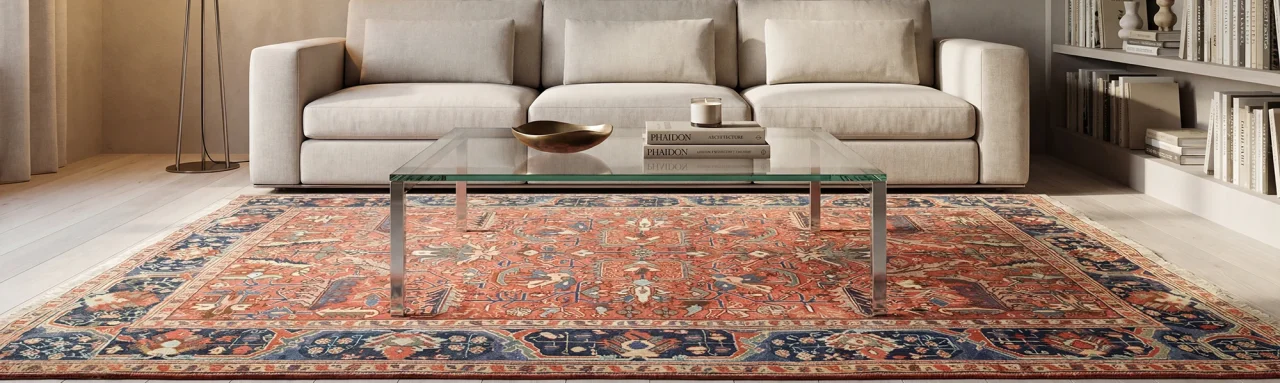

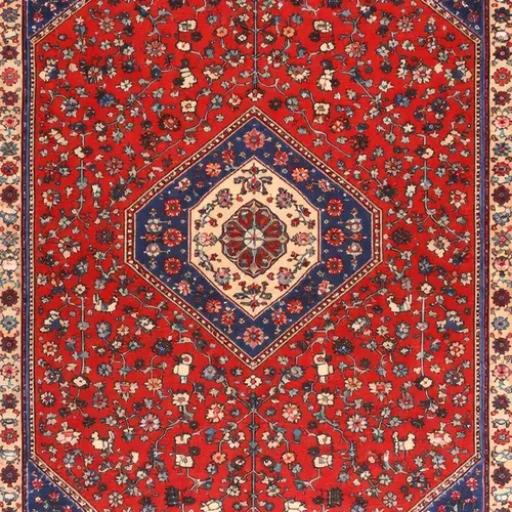
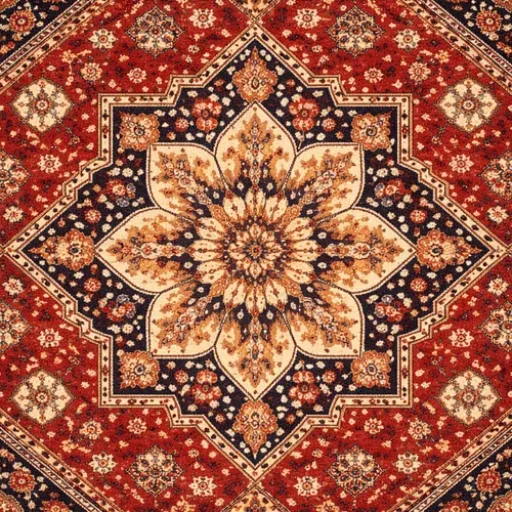
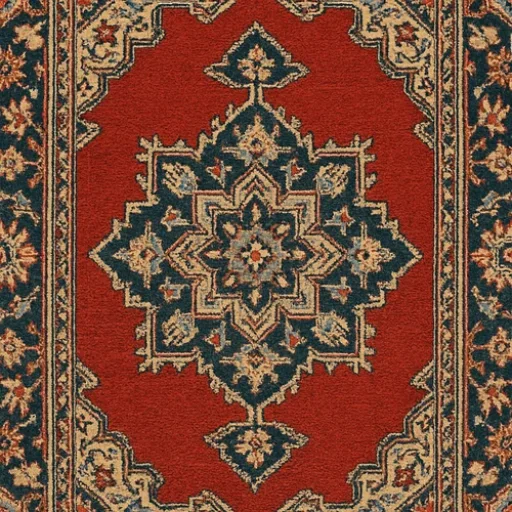
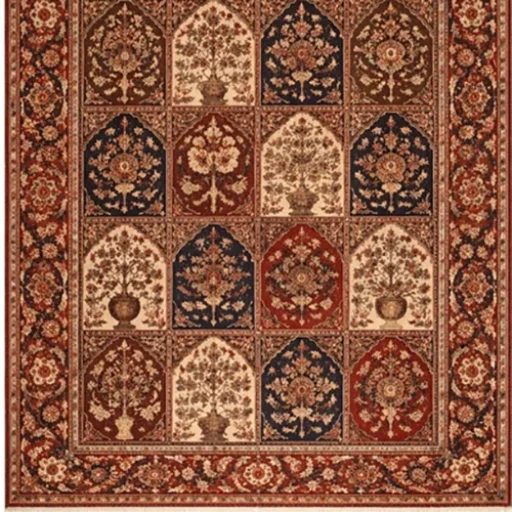
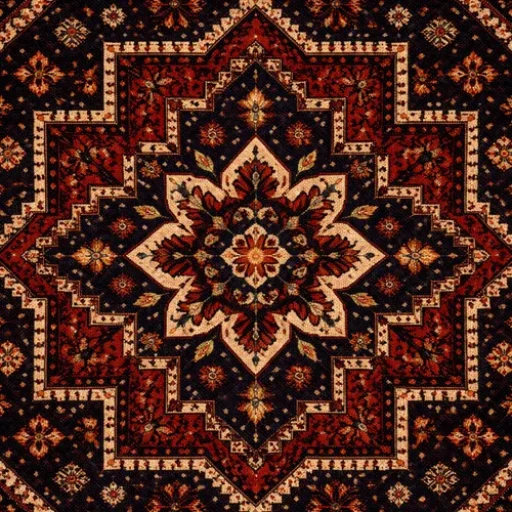
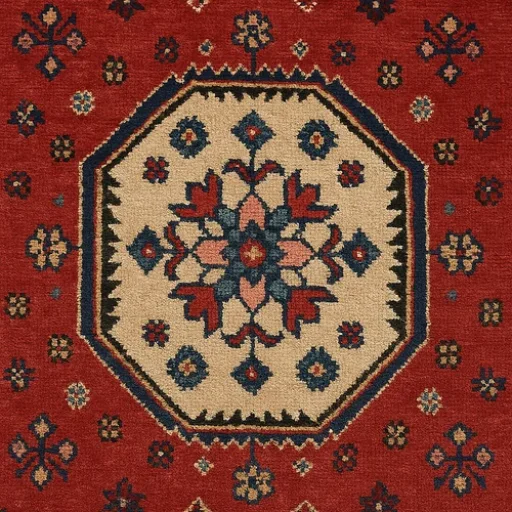
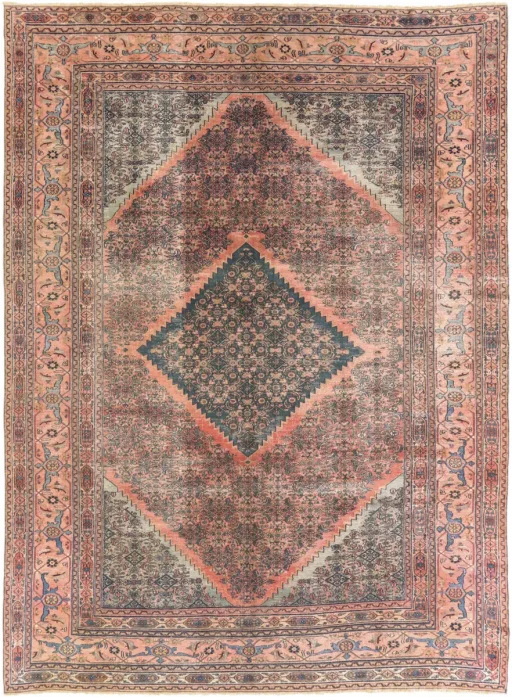
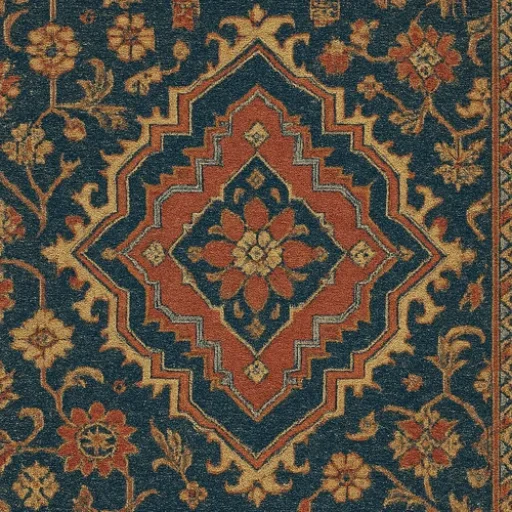
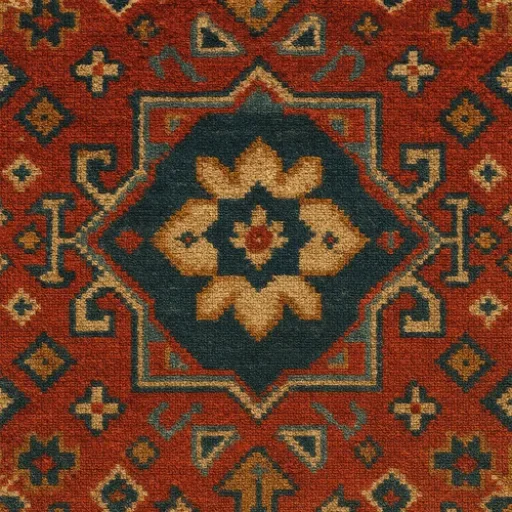
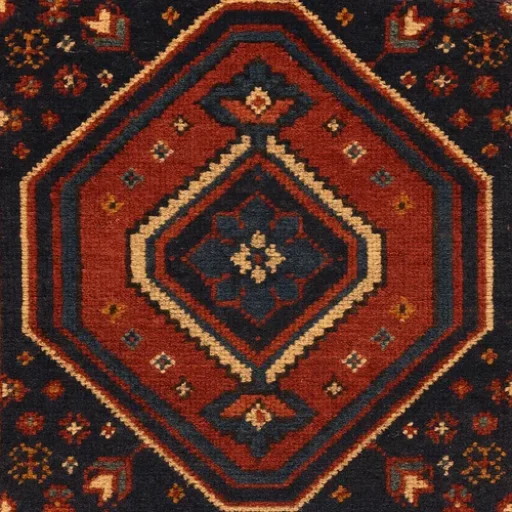
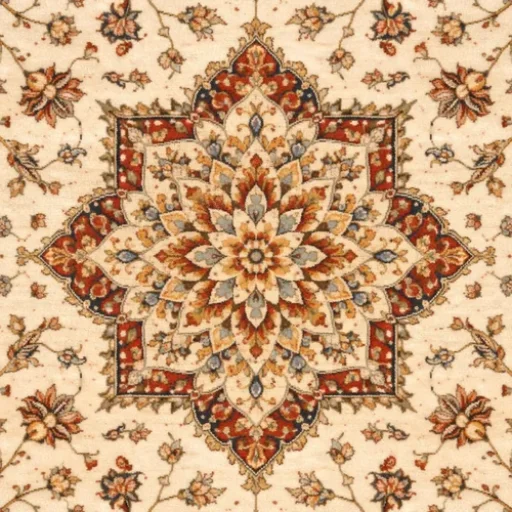
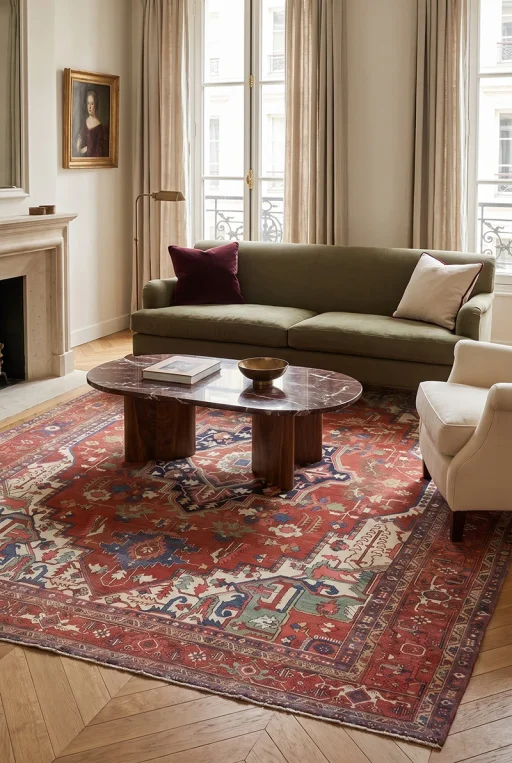
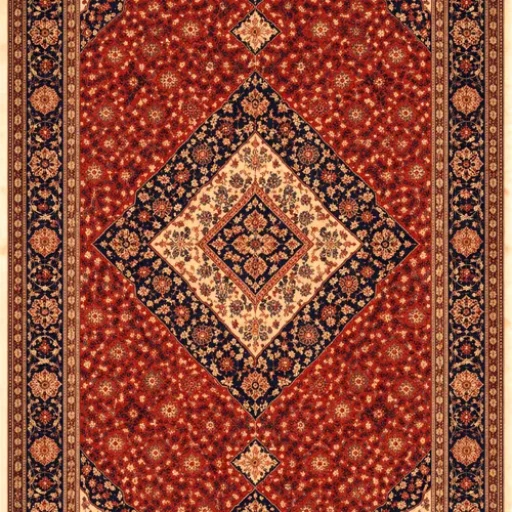
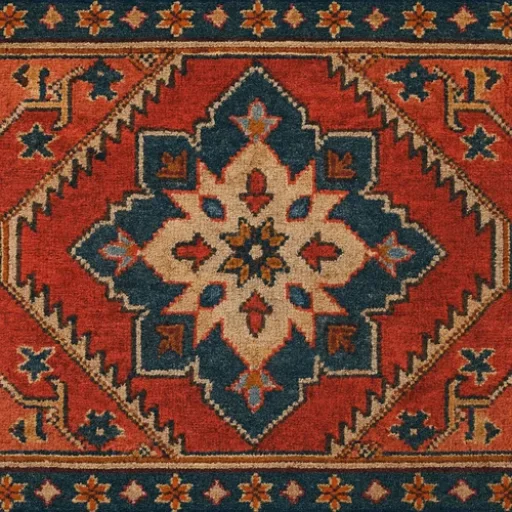
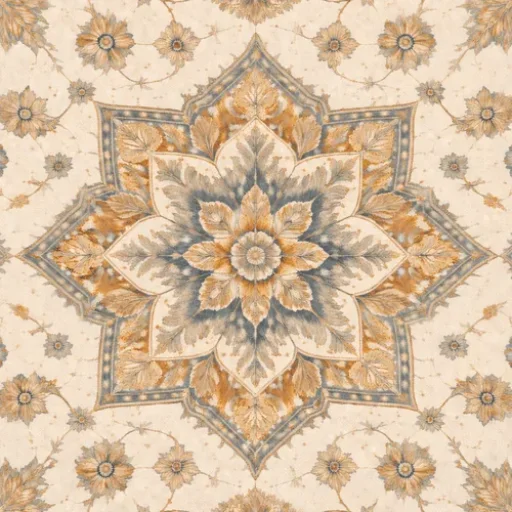
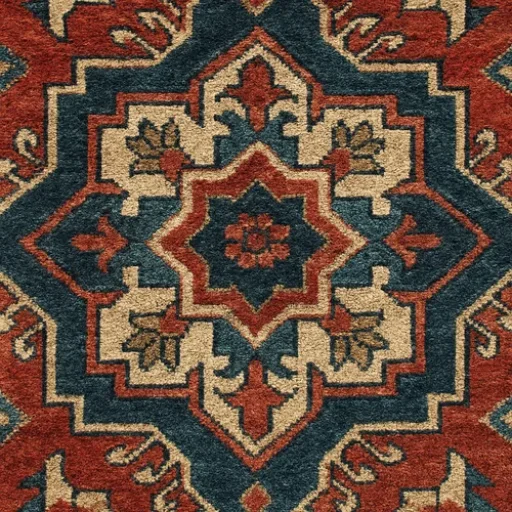
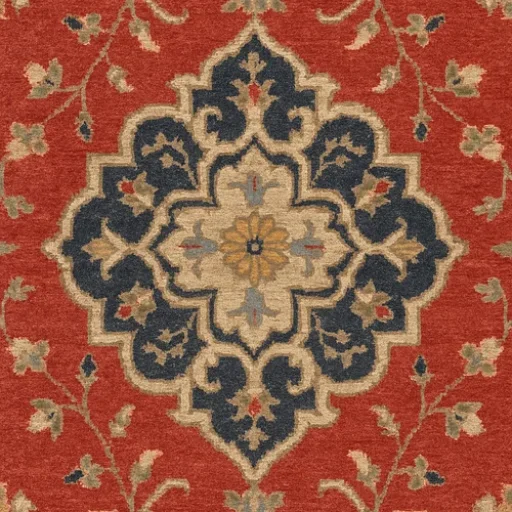
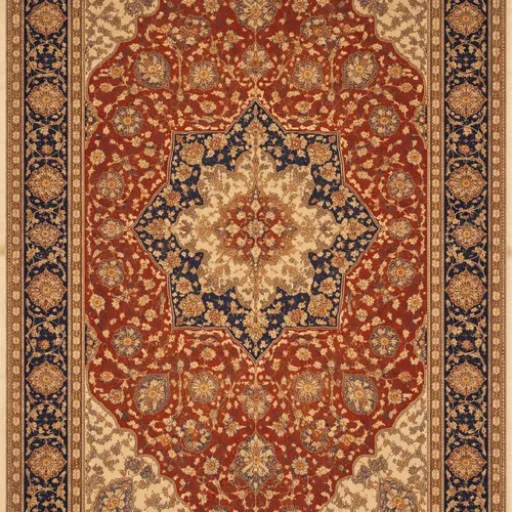
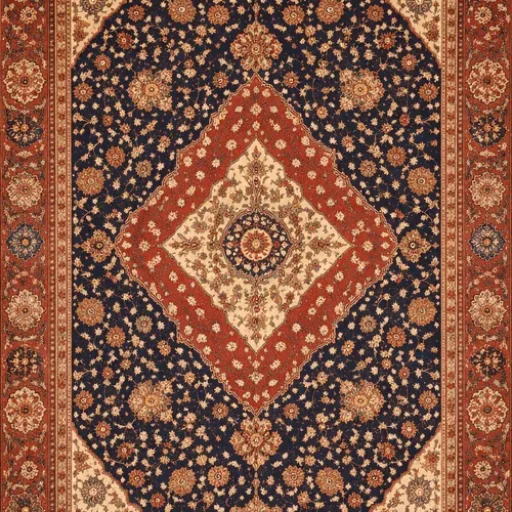
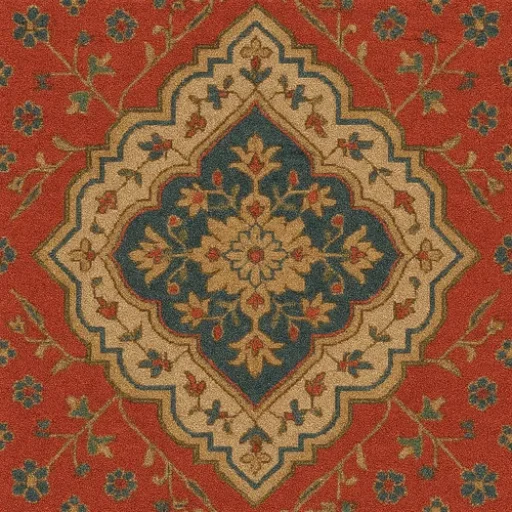
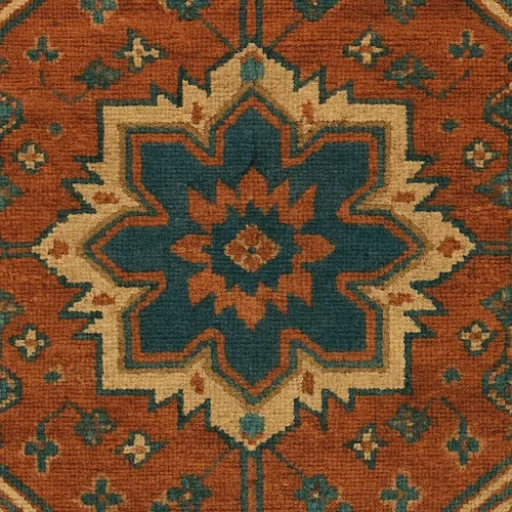
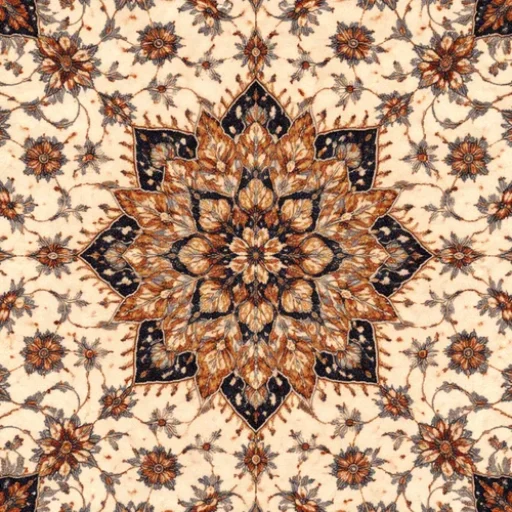
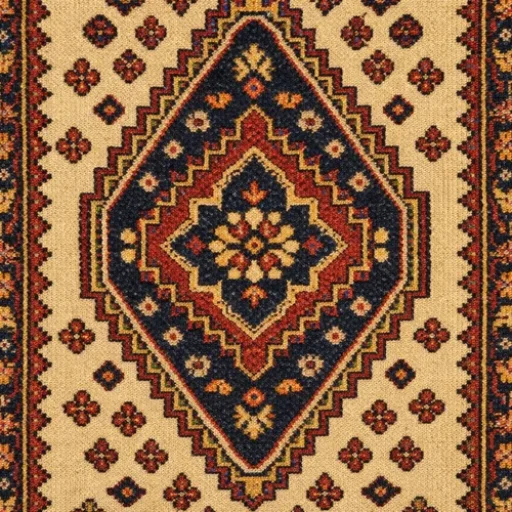
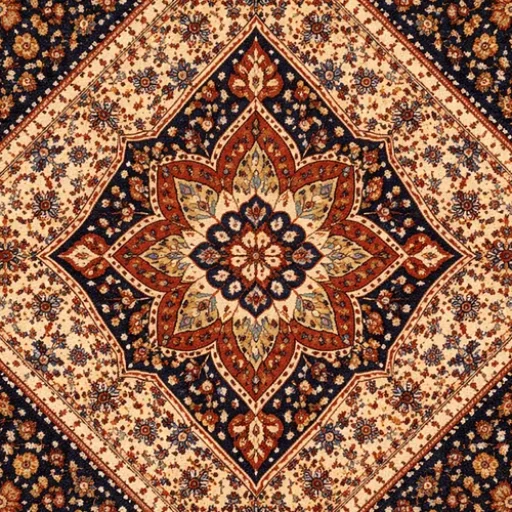
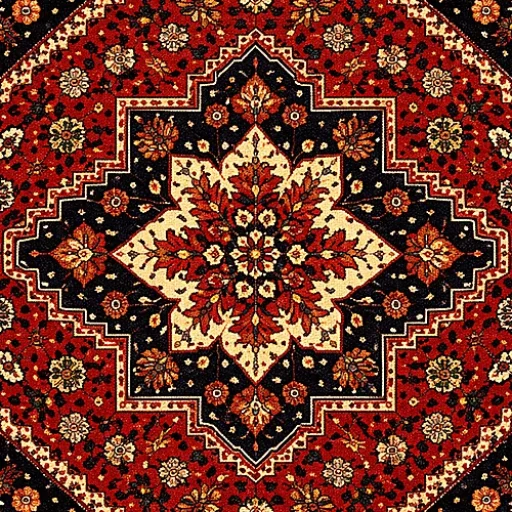
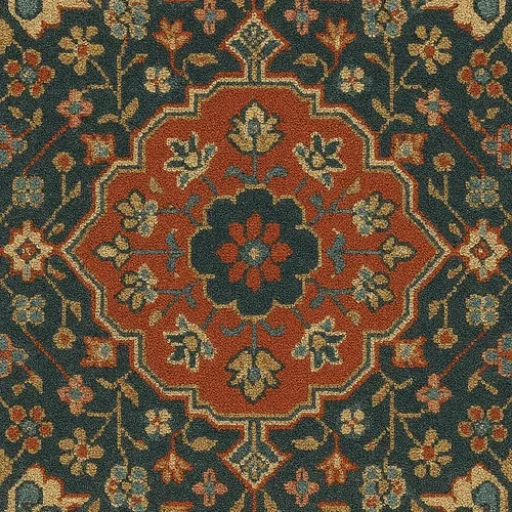
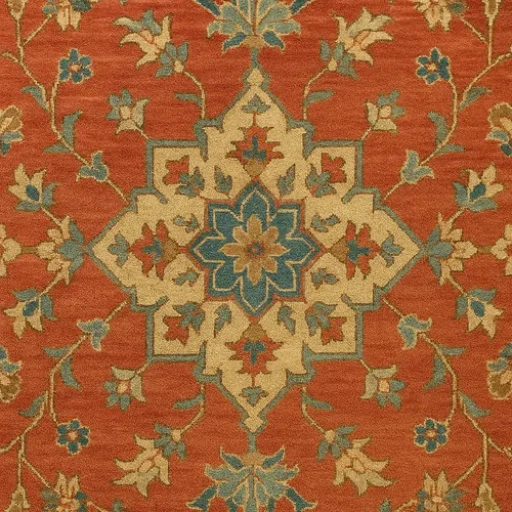
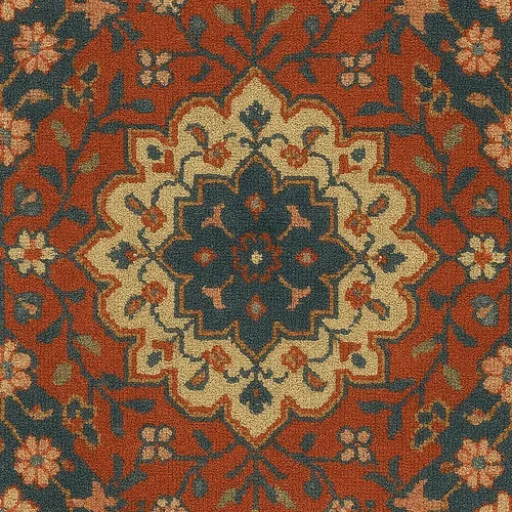
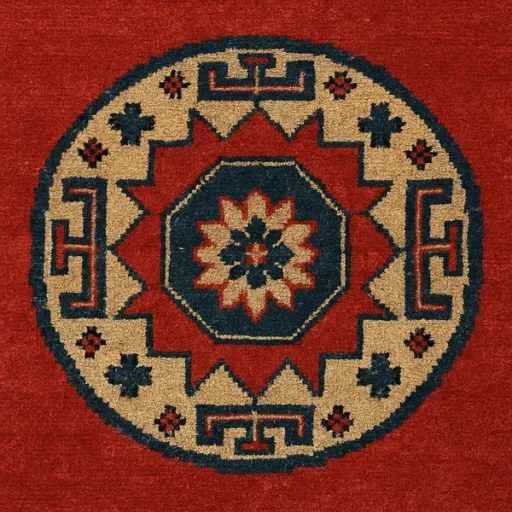
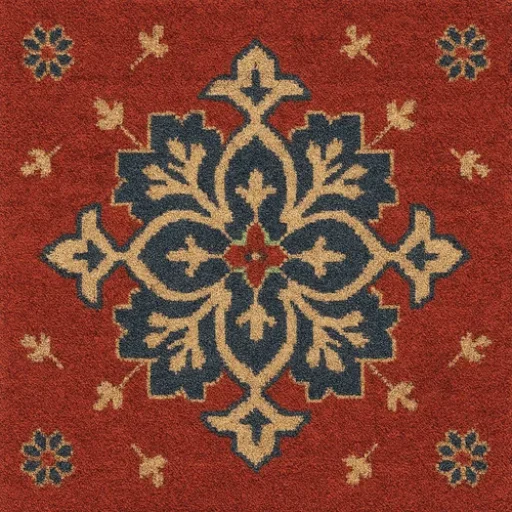
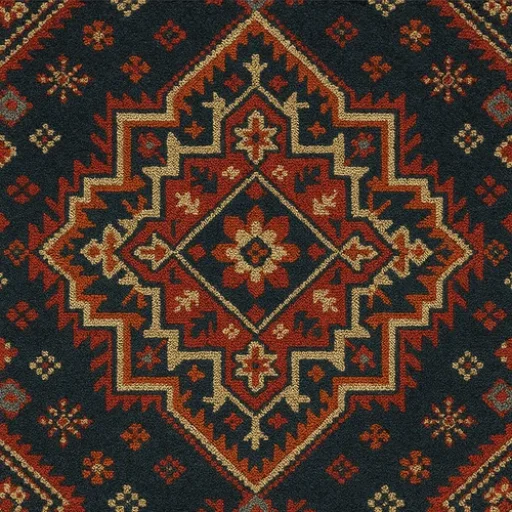


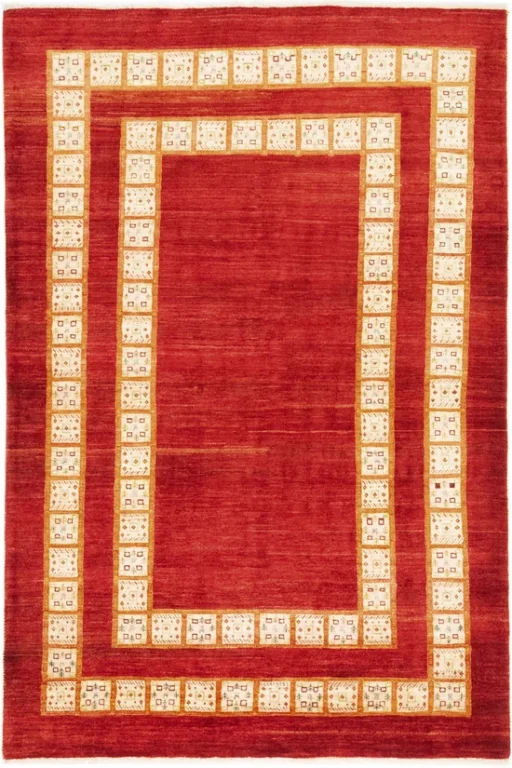
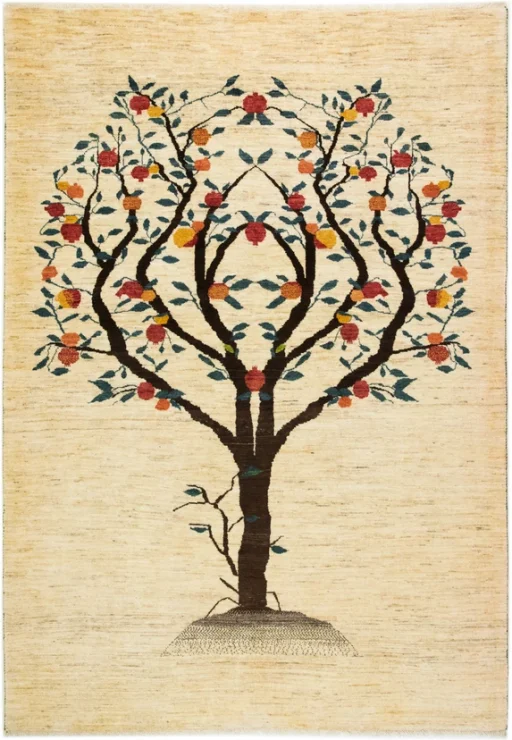
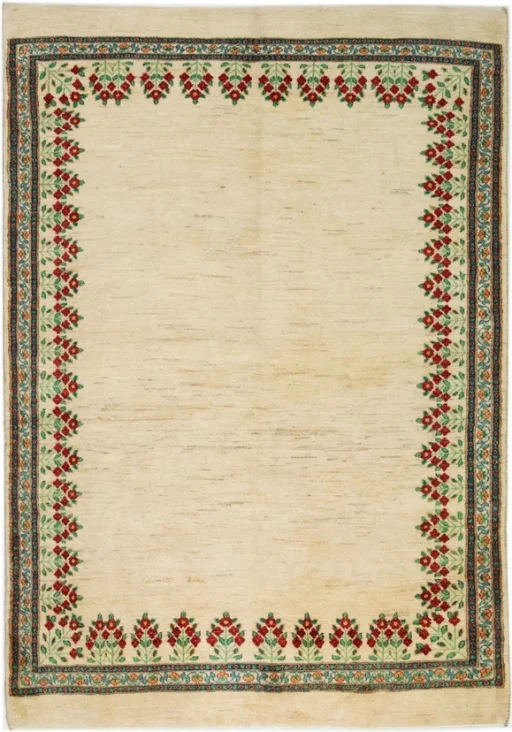
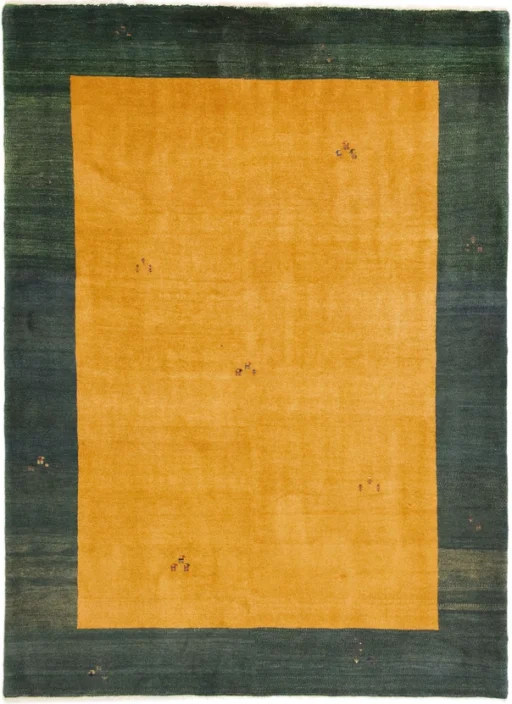
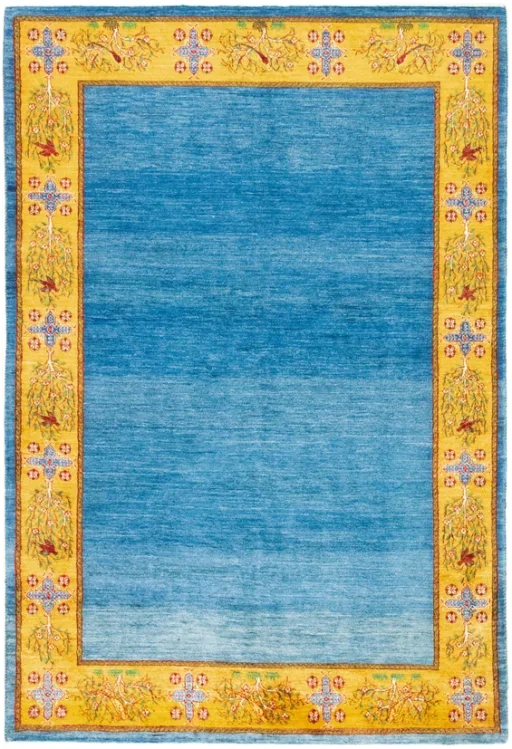
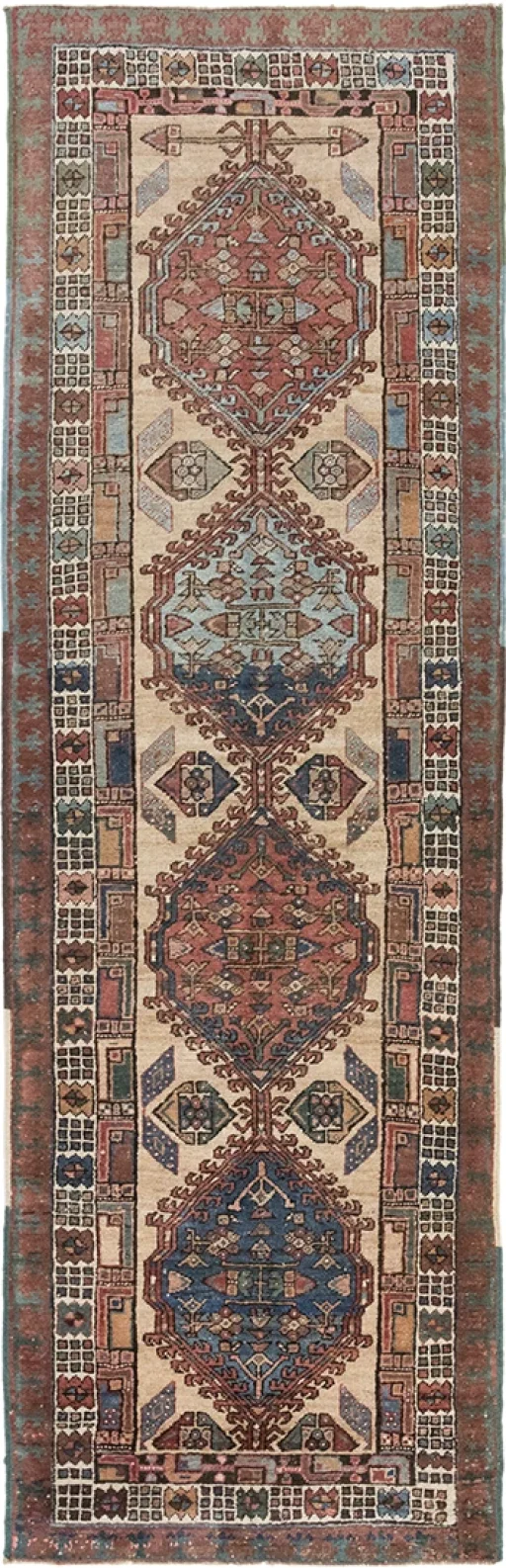
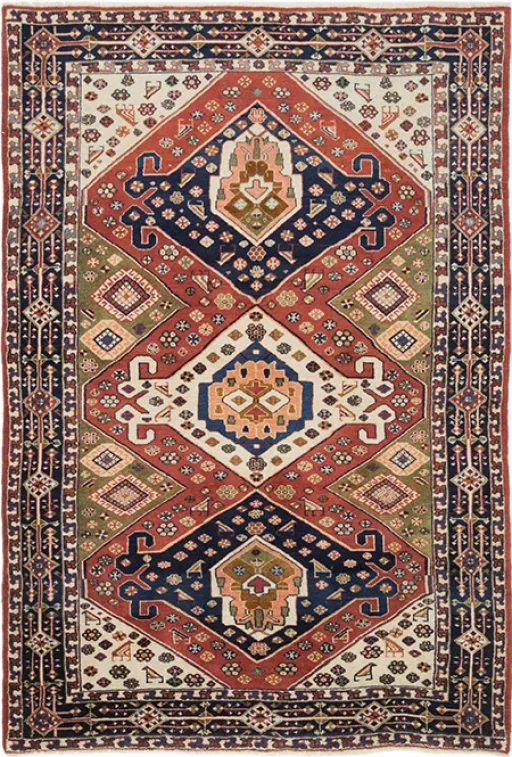
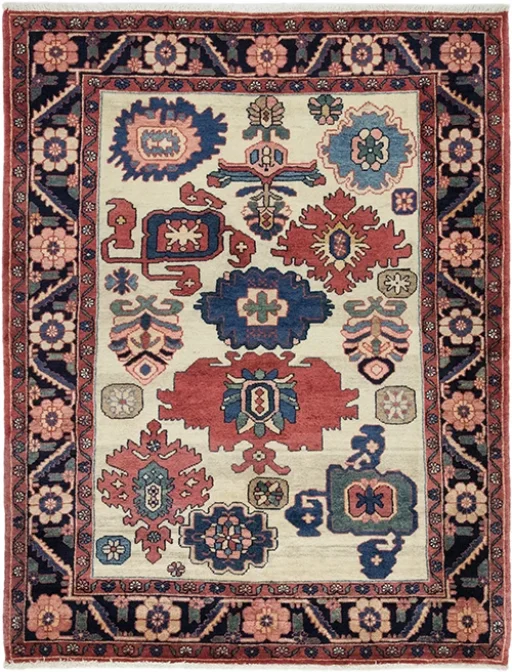
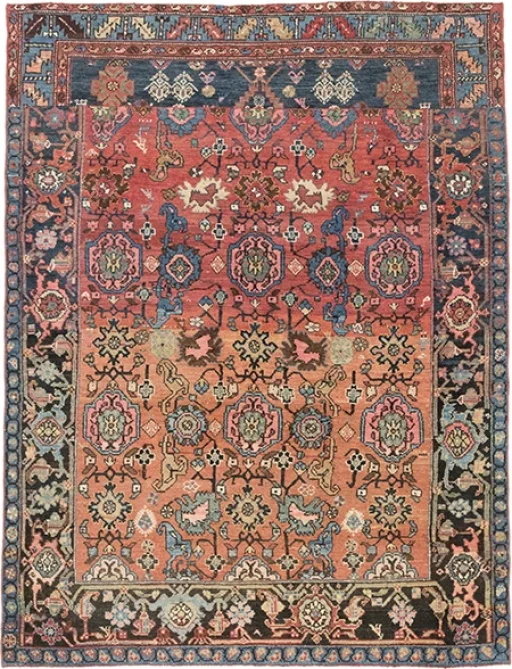
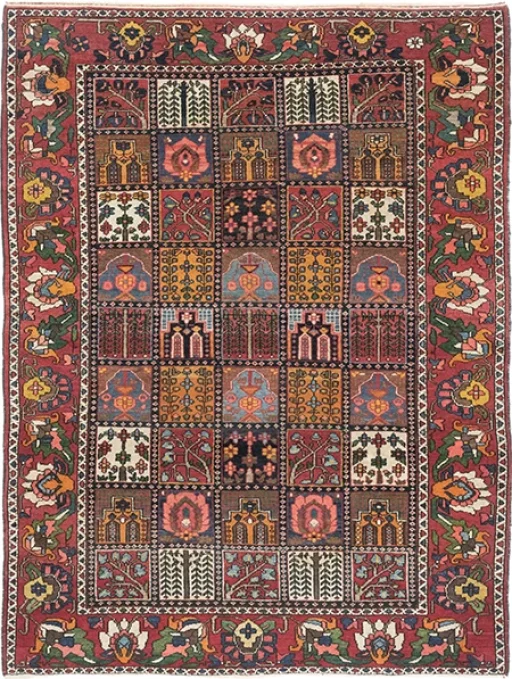
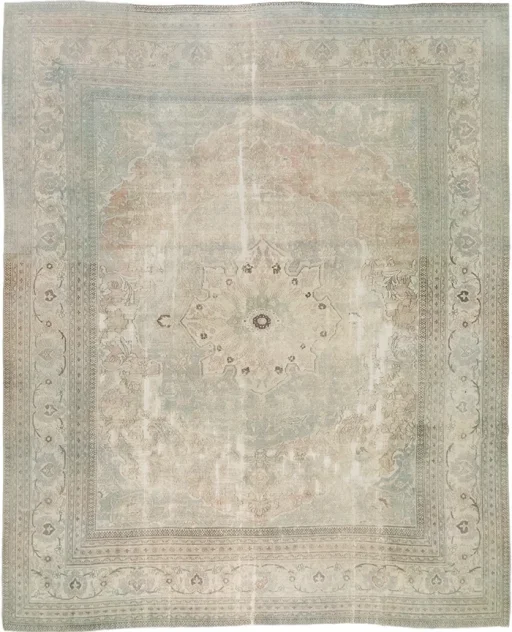
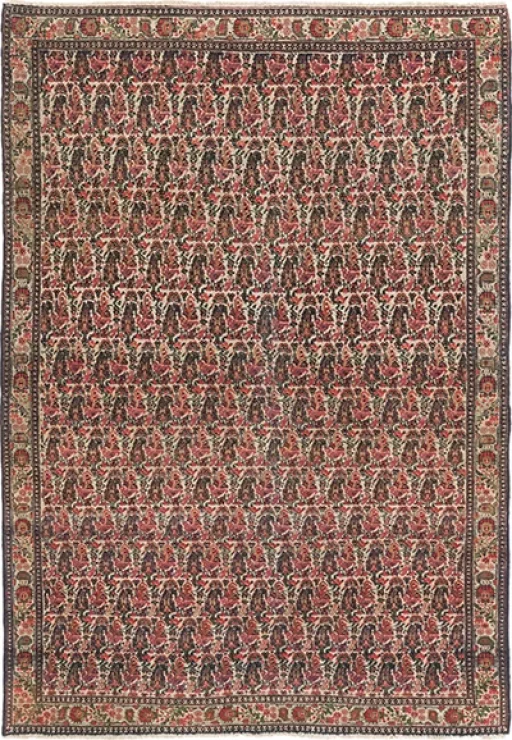
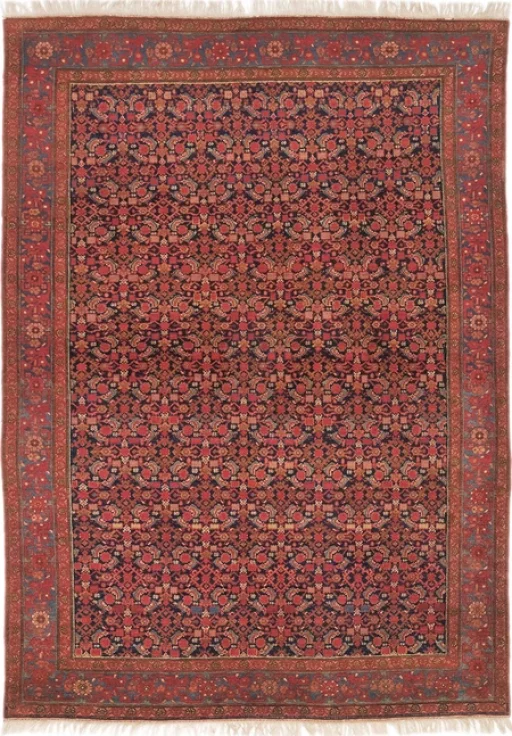
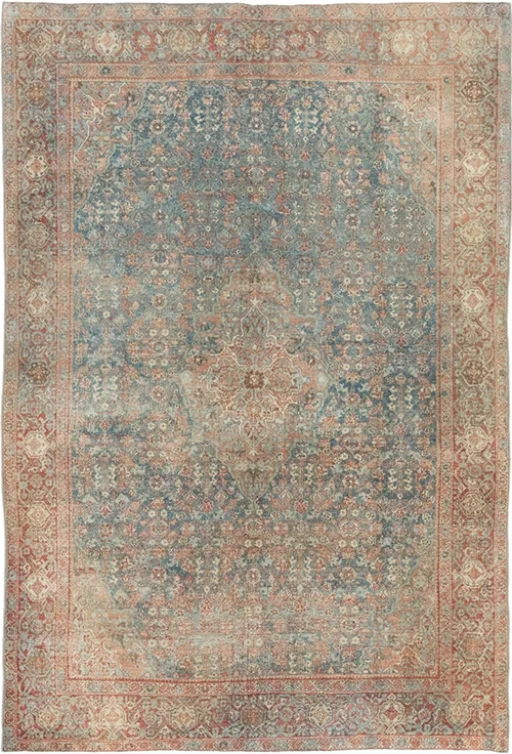
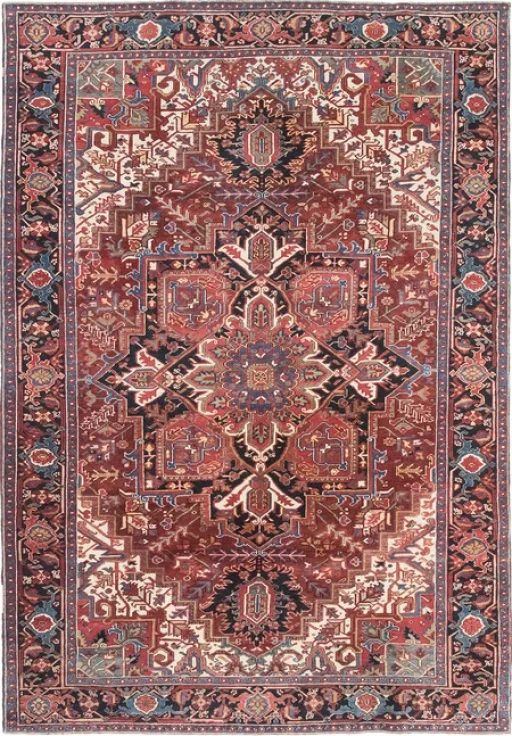
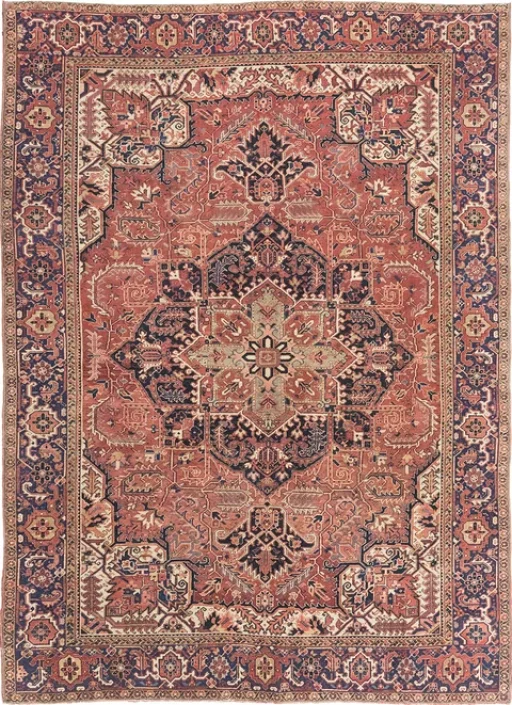
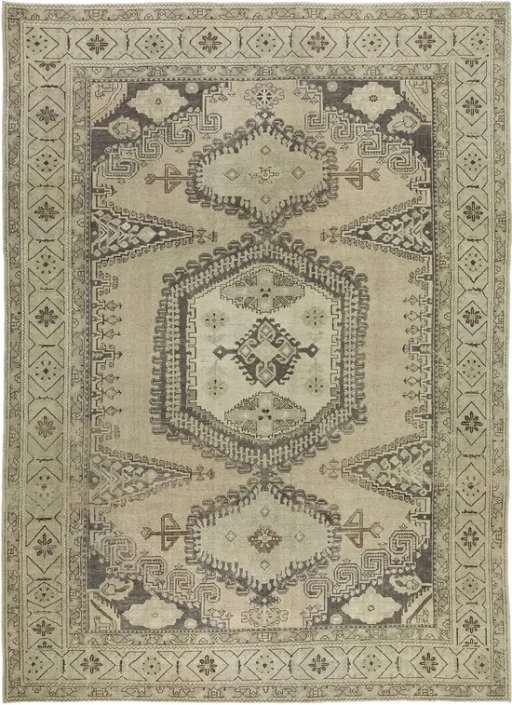
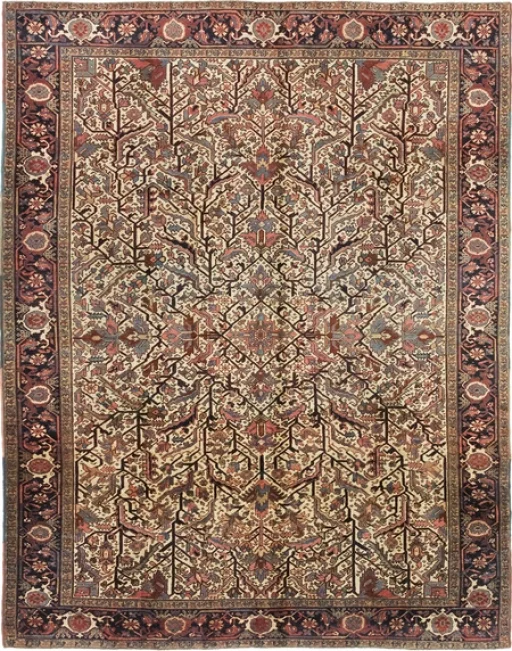
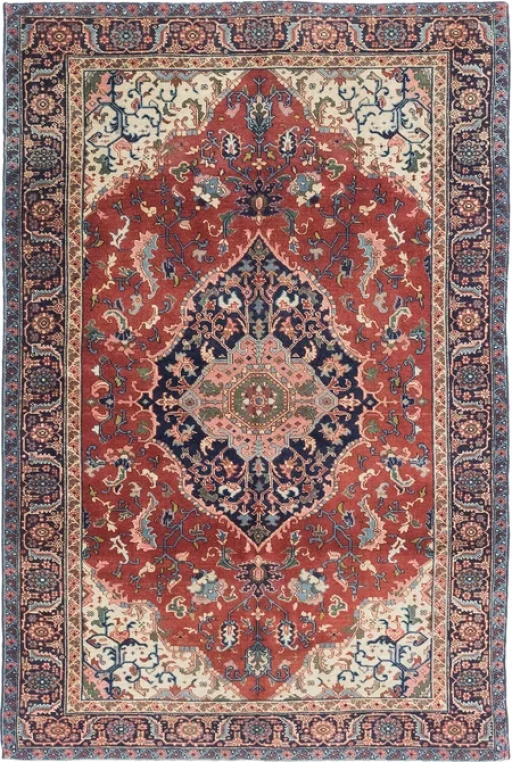
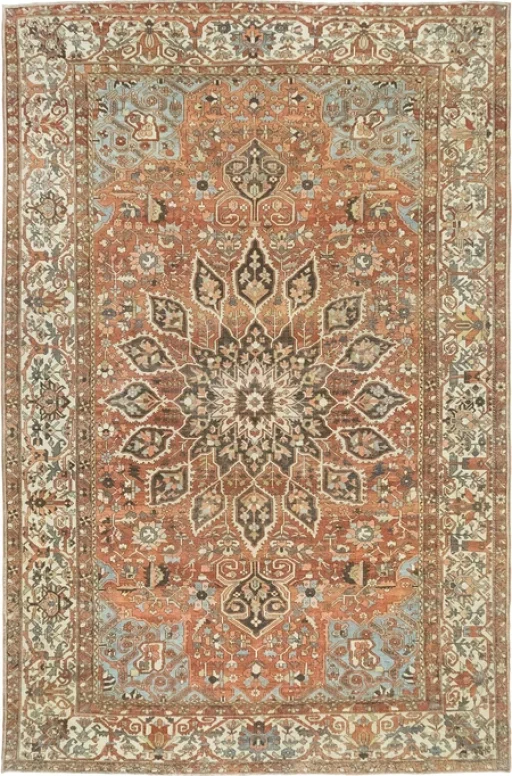
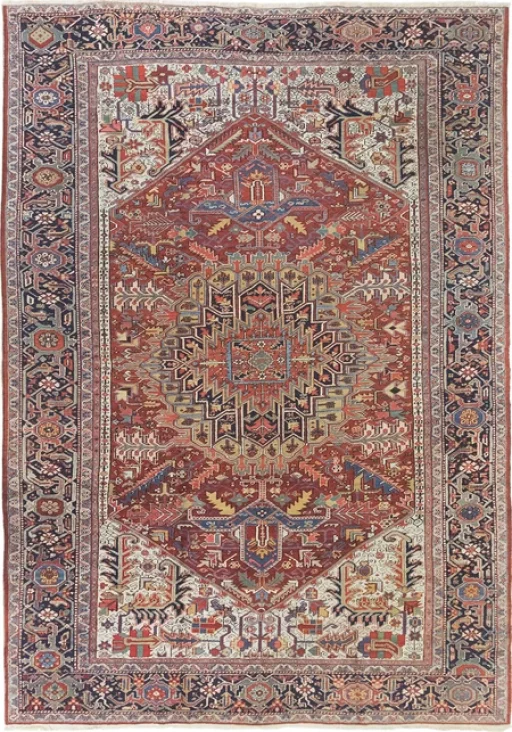
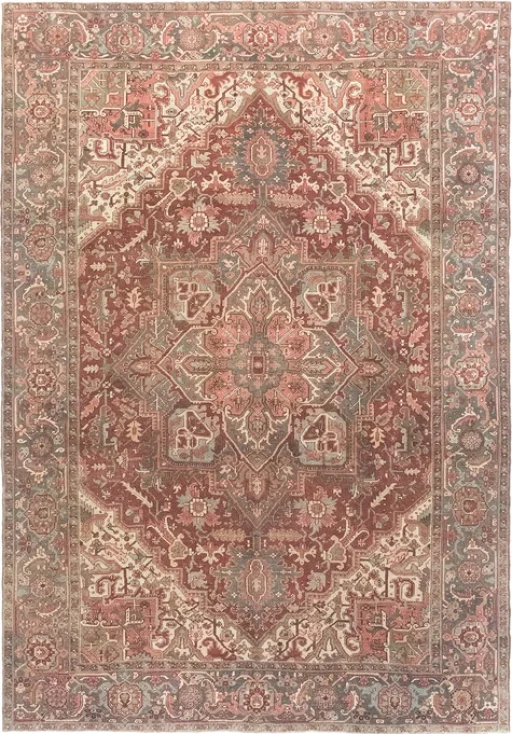
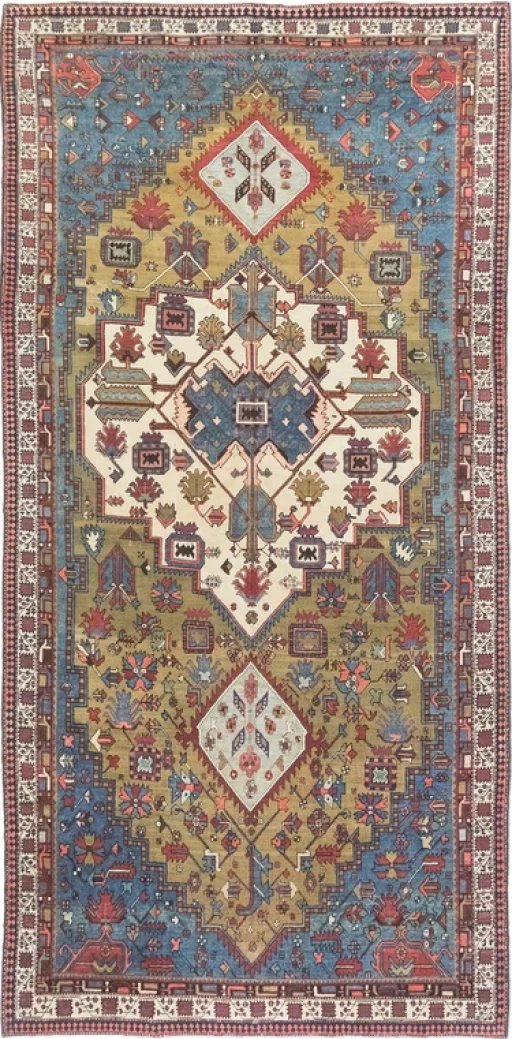
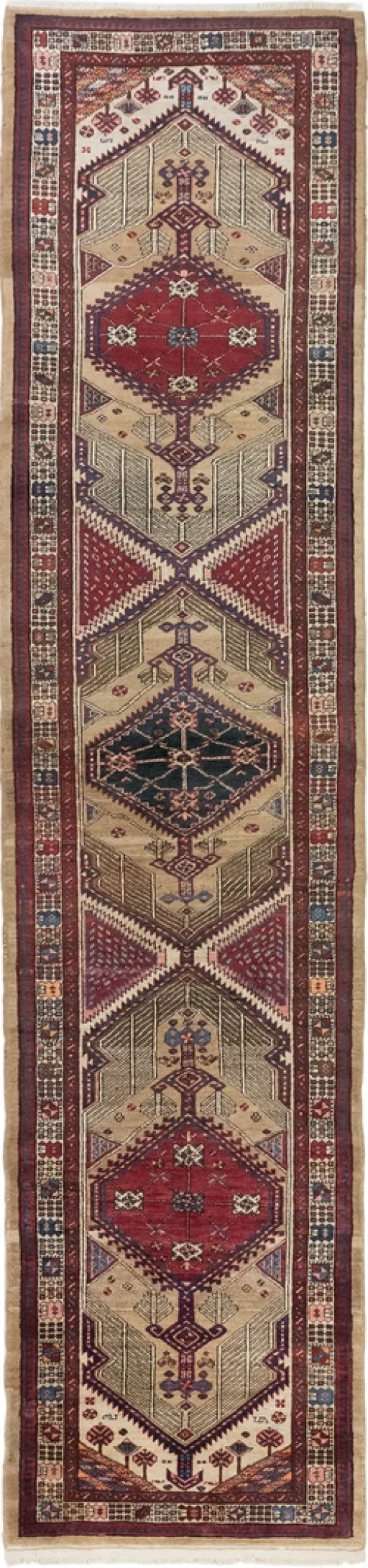
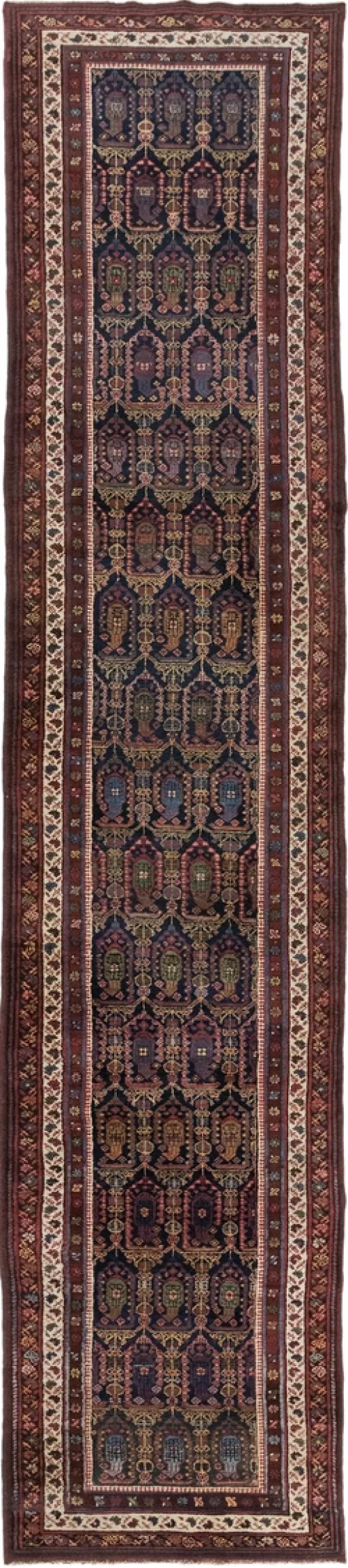
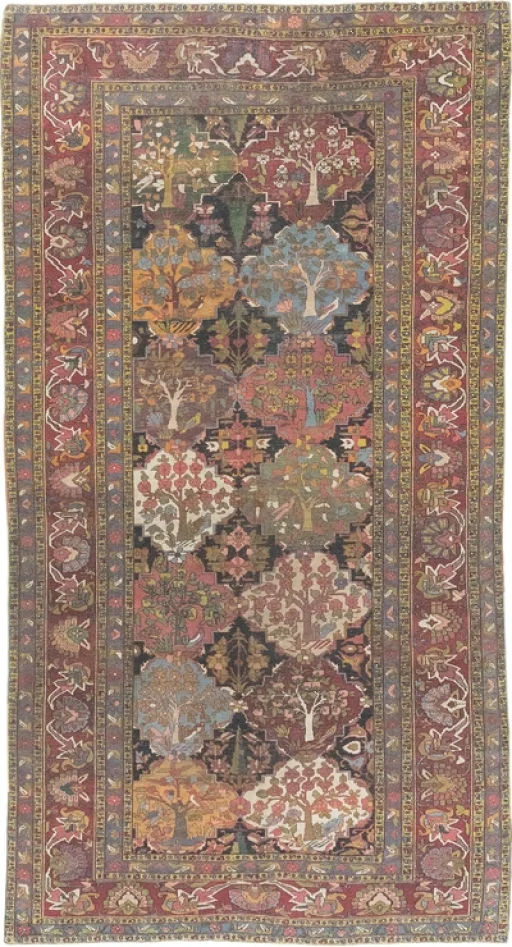
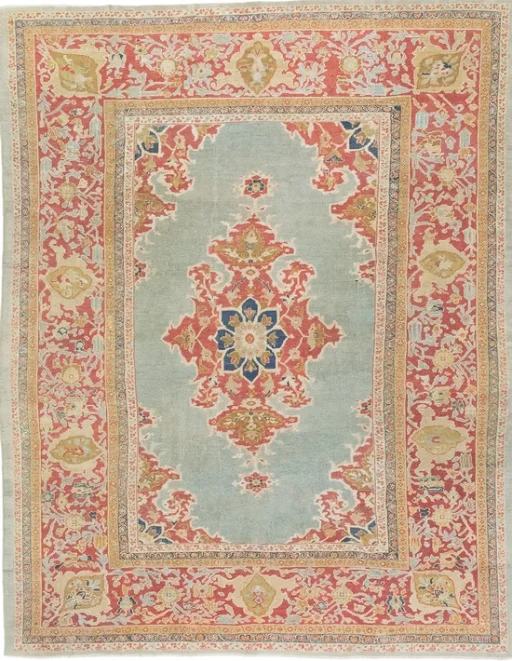
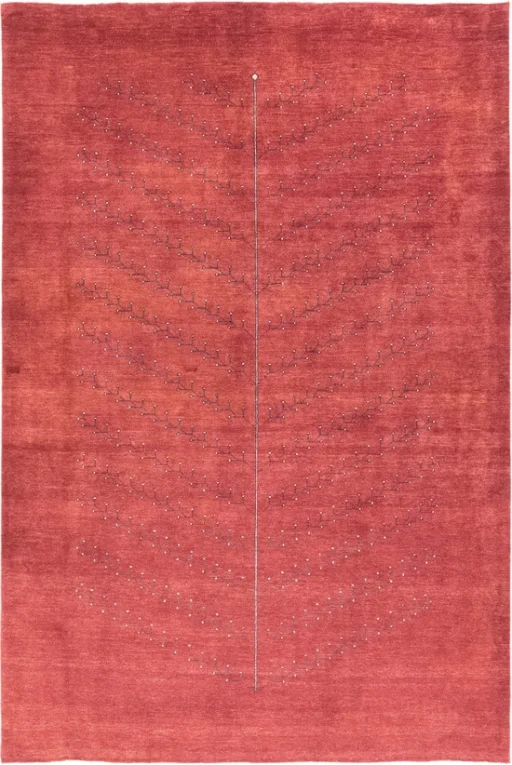

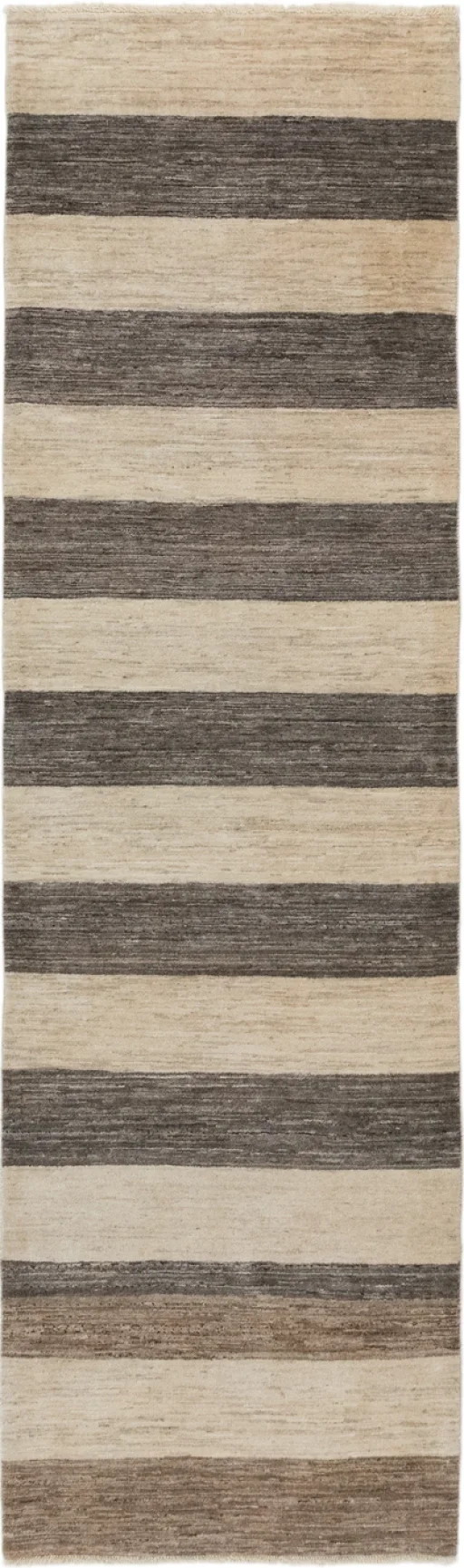
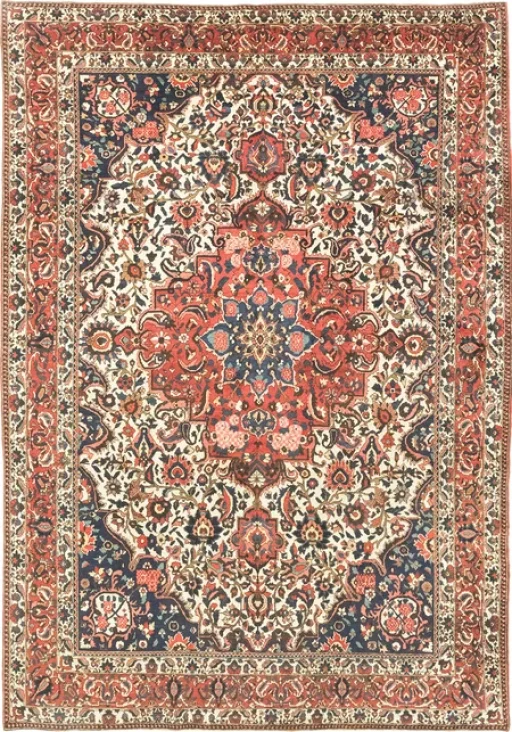
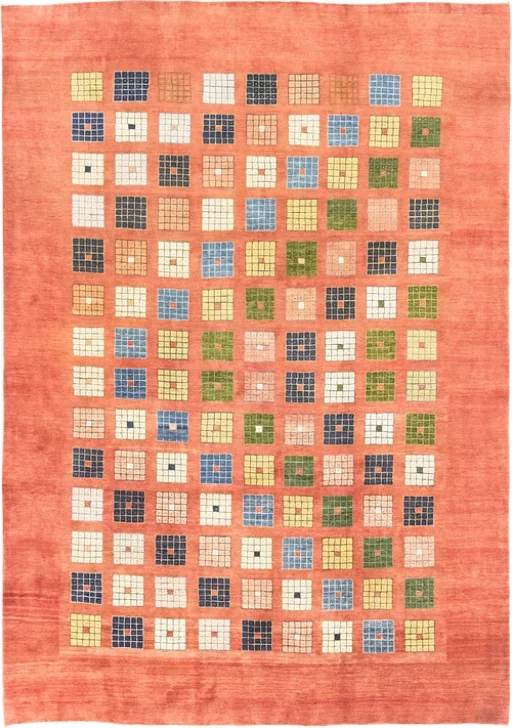
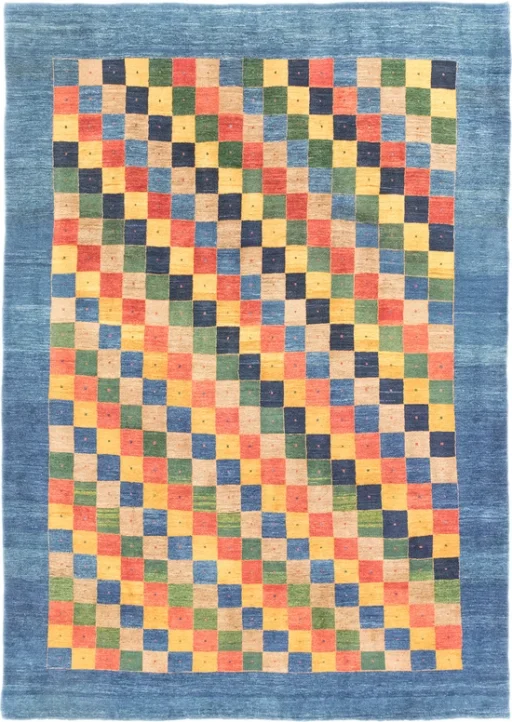
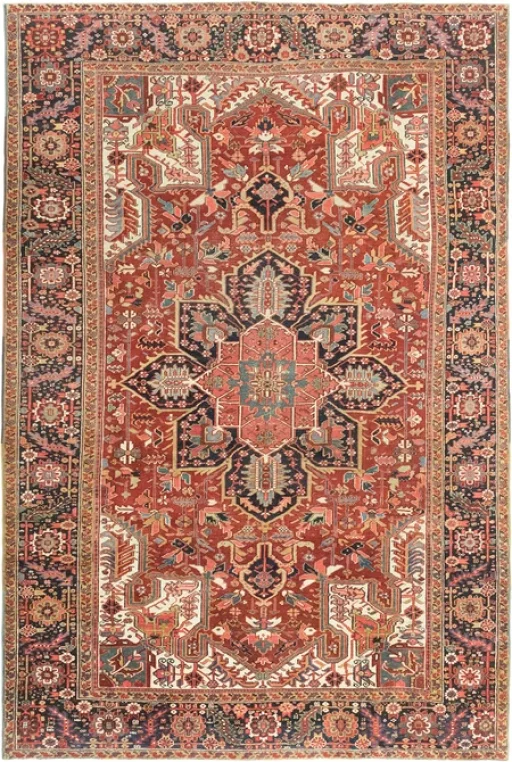
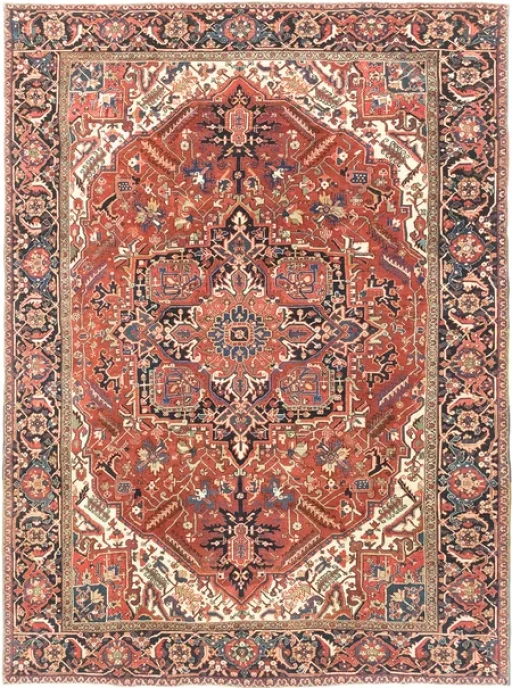
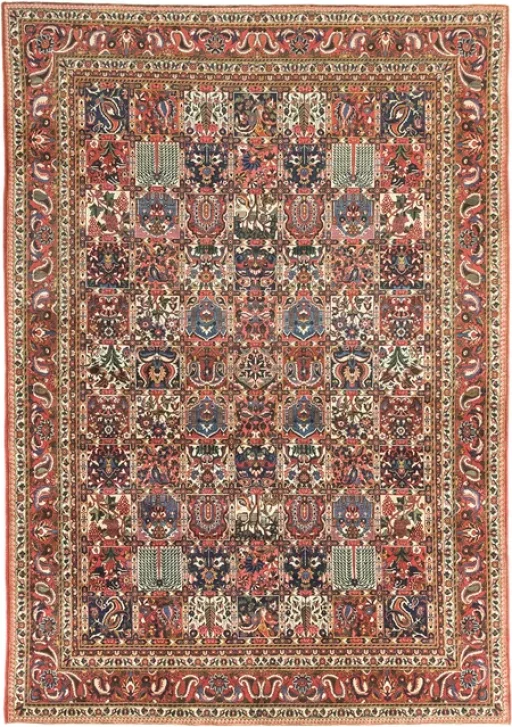
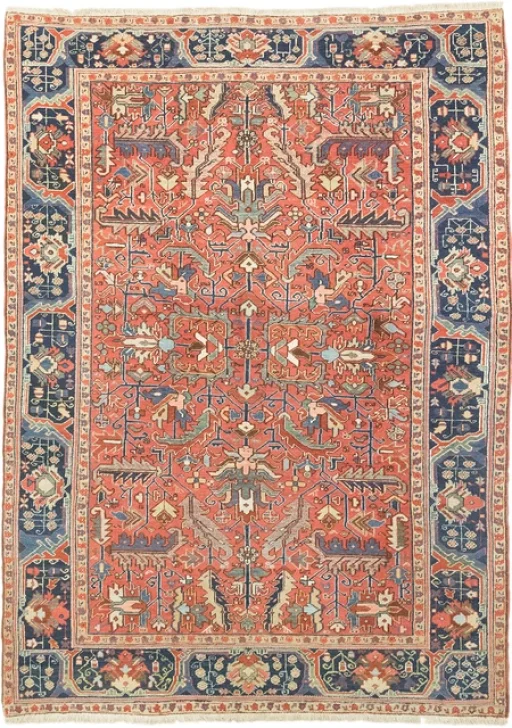
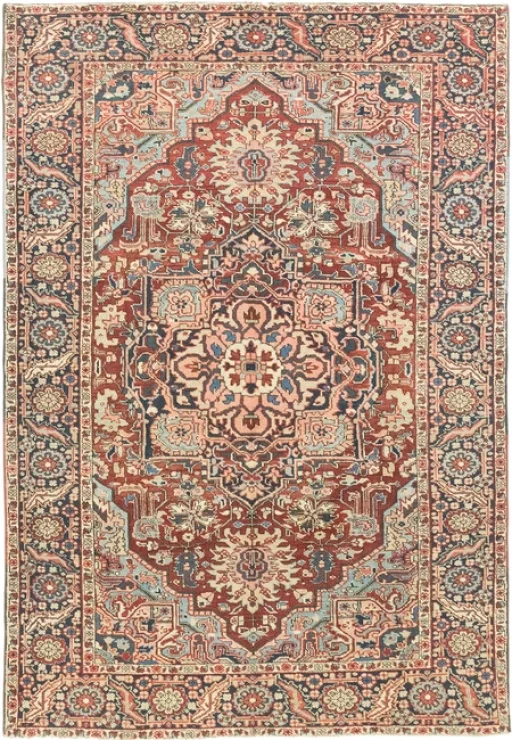
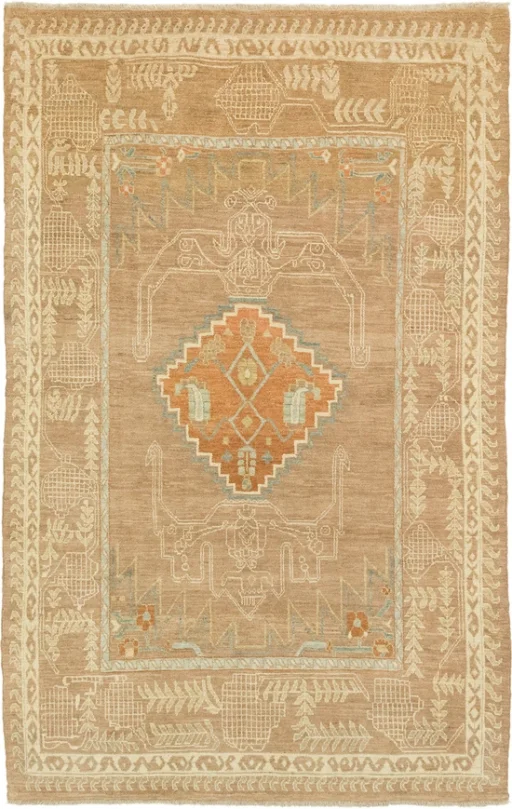
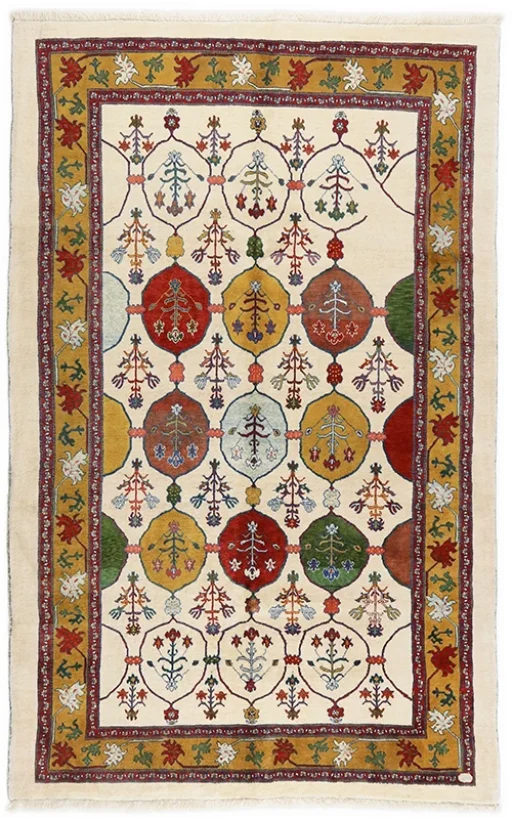
Nomadic rugs are traditionally hand-knotted by nomadic or semi-nomadic communities. Originally, they were made for personal and practical use rather than for commercial trade.
They served as floor coverings, tent furnishings, seating textiles, storage bags and transport pieces. Their designs often developed freely from inherited patterns, personal expression and regional symbolism.
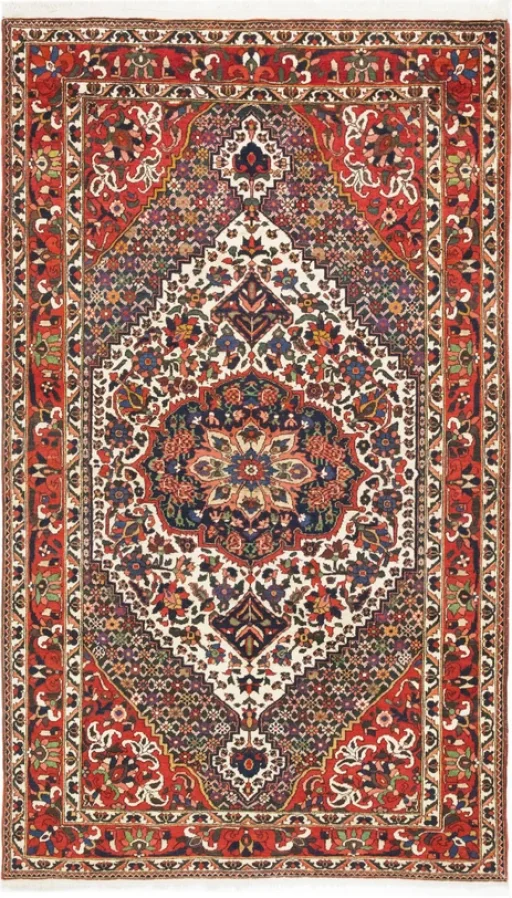
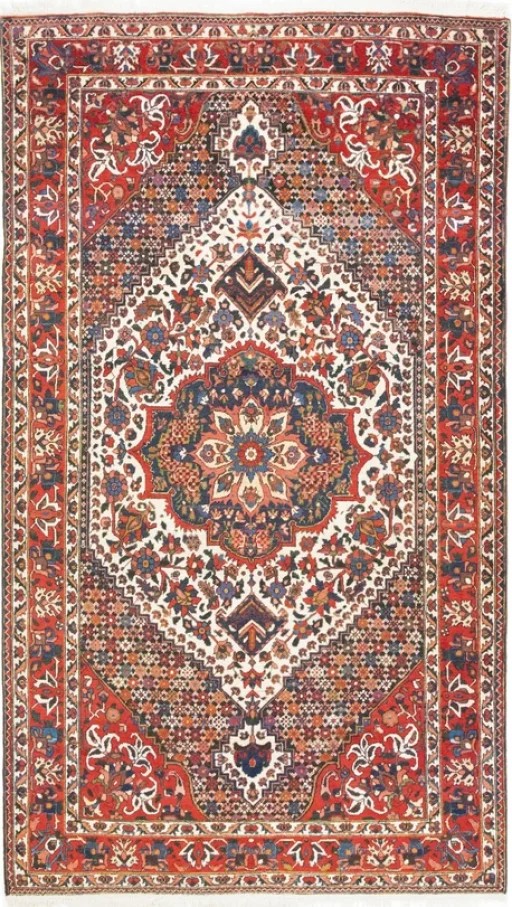
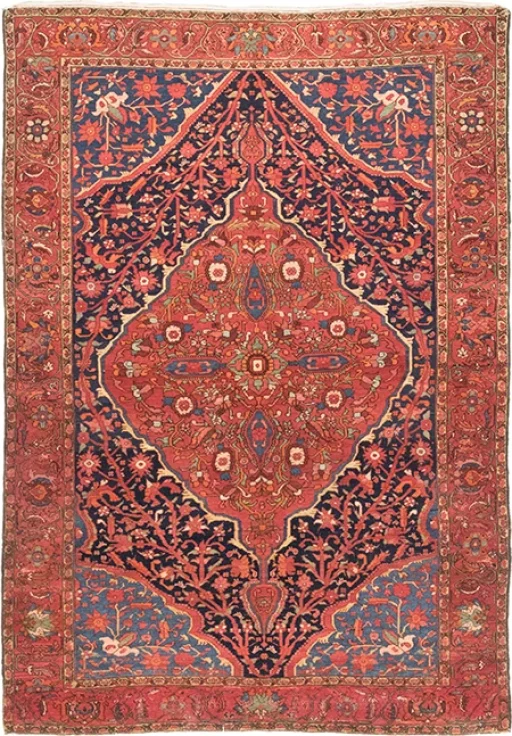
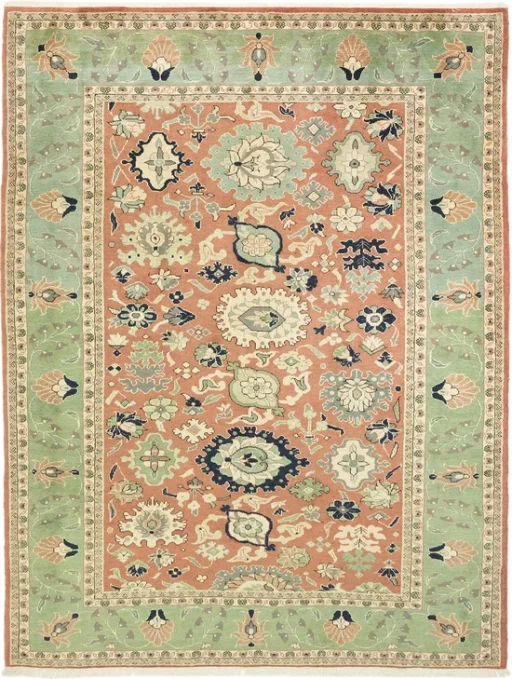
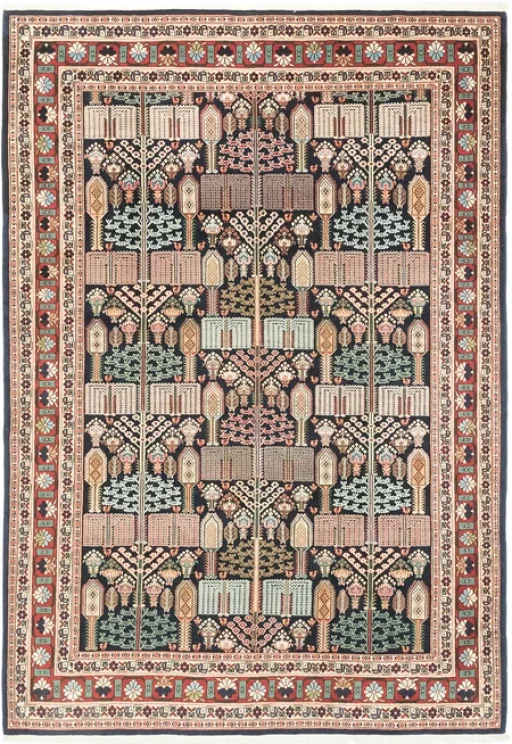
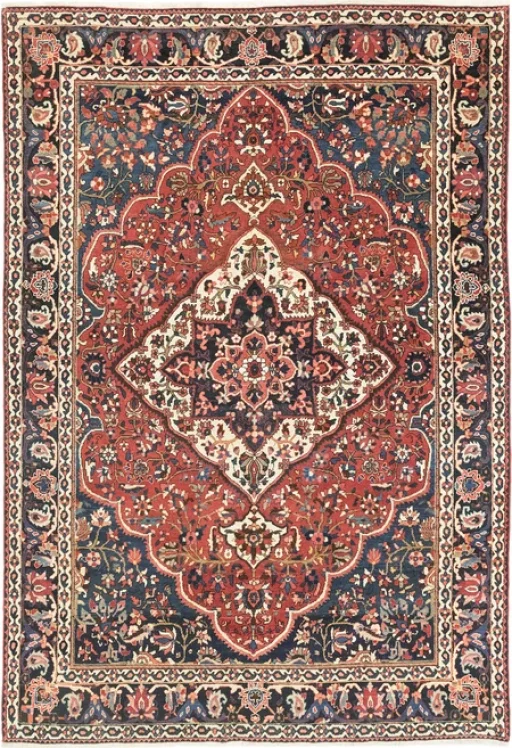
Village rugs are hand-knotted in small rural workshops, family settings or local weaving communities. Compared with purely nomadic rugs, they often show more consistent formats, clearer compositions and recurring regional motifs.
Both nomadic and village rugs combine functionality, cultural heritage and handmade craftsmanship. Their charm lies in their natural materials, individual patterns and slight irregularities that make every rug unique.
They served as floor coverings, tent furnishings, seating textiles, storage bags and transport pieces. Their designs often developed freely from inherited patterns, personal expression and regional symbolism.
Village rugs are hand-knotted in small rural workshops, family settings or local weaving communities. Compared with purely nomadic rugs, they often show more consistent formats, clearer compositions and recurring regional motifs.
Both nomadic and village rugs combine functionality, cultural heritage and handmade craftsmanship. Their charm lies in their natural materials, individual patterns and slight irregularities that make every rug unique.